

Fast Facts
-
Innovative Decline: One-inch camera sensors debuted in 2022 with promising potential but are now facing stagnation in adoption, particularly among major brands like Apple and Samsung.
-
Space Constraints: The bulky size of one-inch sensors leads to unsightly camera bumps and ergonomic challenges, limiting their integration into increasingly thin smartphone designs.
-
Cost and Complexity: Higher manufacturing costs and technical complexities, such as the need for retractable lenses and variable apertures, deter brands from adopting one-inch sensors.
-
Competitive Alternatives: Smaller camera sensors have made significant advancements in quality, allowing brands to focus on enhancing zoom functions and overall camera versatility instead of large sensors.
Why 2026 Smartphones Won’t Feature Game-Changing Camera Tech
Smartphone cameras have rapidly evolved in recent years. Many models now boast impressive hardware, including periscope lenses and high megapixel counts. However, the anticipated rise of one-inch camera sensors seems to have stalled. By 2026, it appears that these innovative sensors will not dominate the smartphone market as once expected.
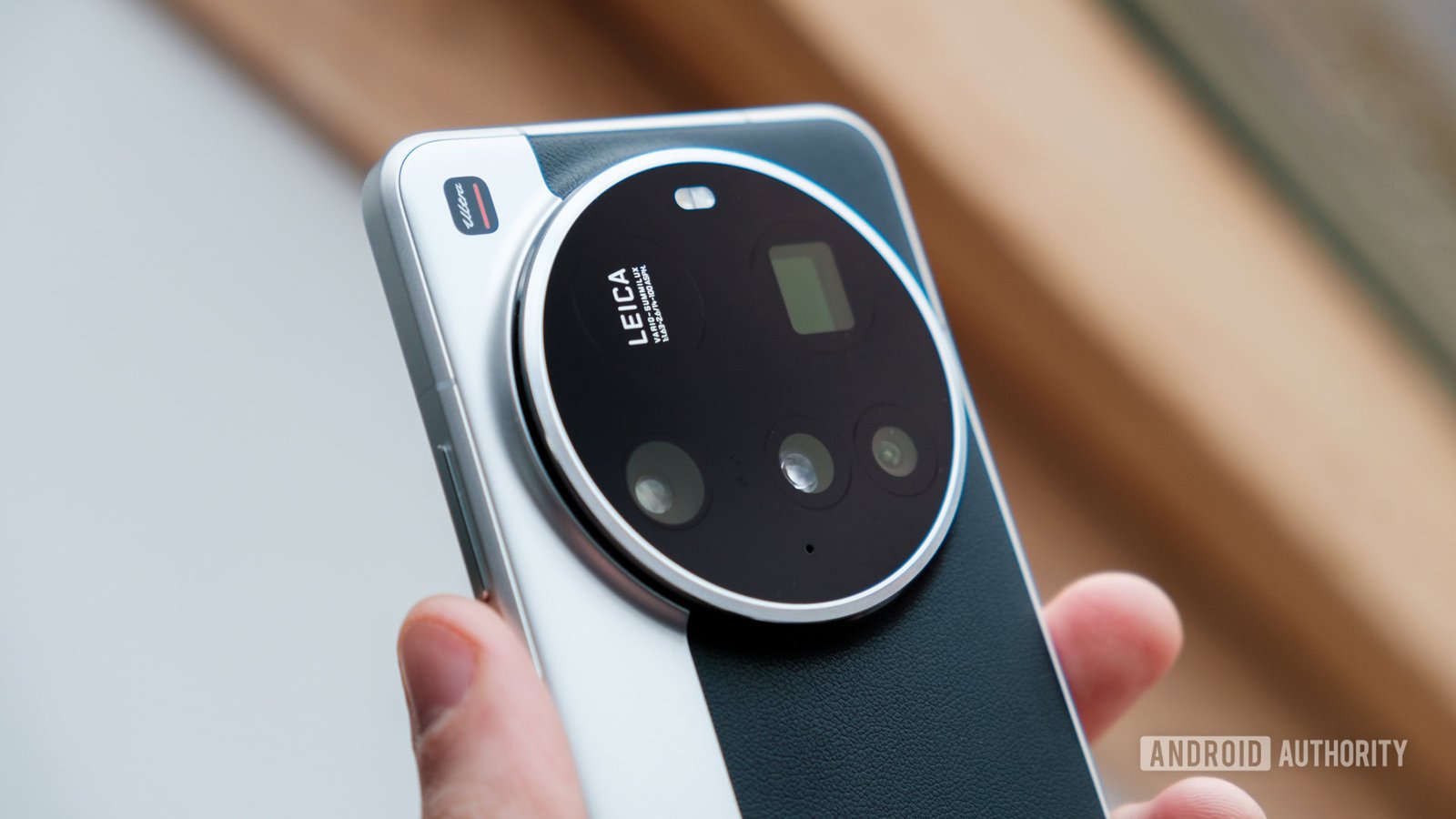
One-inch sensors debuted in flagship models like the Xiaomi 12s Ultra, bringing promises of exceptional low-light photography and beautiful background blur. Yet, manufacturers like OPPO and Xiaomi have since phased out these sensors in favor of slimmer designs. The large size of one-inch sensors requires bulky camera modules, which hinder sleek phone aesthetics and ergonomics. Many users have expressed discomfort when handling phones with oversized camera bumps.
Moreover, the trend toward thinner smartphones complicates the introduction of larger sensors. Brands like Apple and Samsung have prioritized a sleek design, often sacrificing camera capabilities in the process. As a result, consumers increasingly choose models that balance design with functionality.
Another factor involves production costs. Companies like Samsung tend to stick with familiar sensor technologies to maintain profitability, limiting the appeal of one-inch sensors. Additionally, as smartphone makers emphasize telephoto capabilities, larger primary sensors lose ground to innovative designs focused on zoom functions.
Despite these setbacks, hope exists for one-inch sensors. Some companies continue to explore their potential, and new supply chains may drive down costs. Recent advancements suggest that these sensors could see a resurgence, though widespread adoption remains uncertain for 2026.
In essence, consumers can expect outstanding camera technology in future smartphones. However, those hoping for universal one-inch sensors on all flagship devices may have to temper their expectations. Nevertheless, innovation in camera capabilities continues to evolve, promising exciting developments ahead.
Continue Your Tech Journey
Dive deeper into the world of Cryptocurrency and its impact on global finance.
Access comprehensive resources on technology by visiting Wikipedia.
GadgetsV1
