

Summary Points
-
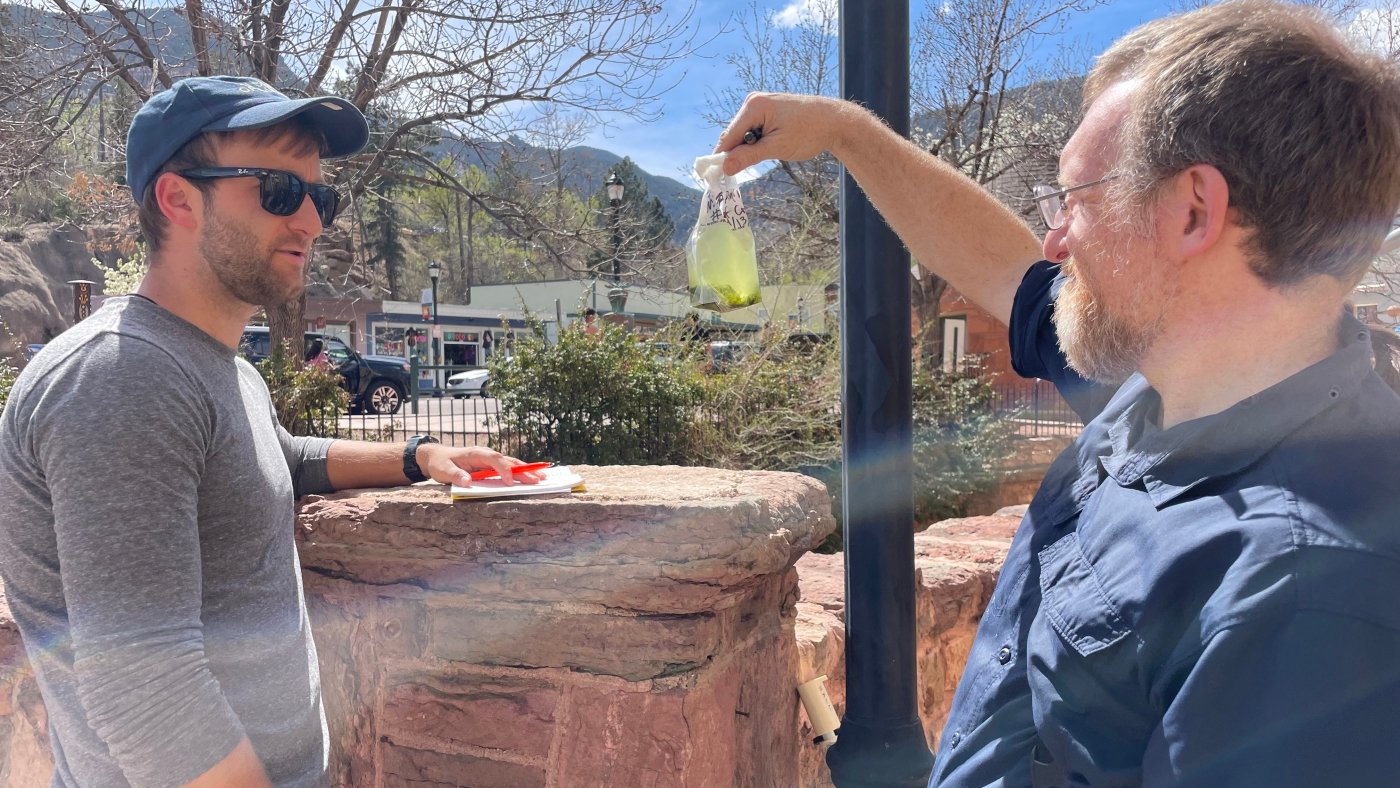
Microbial Exploration: Environmental microbiologists, led by James Henriksen and Braden Tierney, are investigating unique microorganisms in extreme environments to uncover solutions for pressing global issues, such as climate change and pollution.
-
Innovative Discoveries: Their research has already identified a microbe, nicknamed Chonkus, capable of efficiently consuming carbon dioxide, showcasing the potential for microbes in carbon capture technologies.
-
Home-Based Research: The Two Frontiers Project is expanding its focus to include household microbes, leveraging citizen science to explore everyday environments for microbial treasures that might contribute to sustainability efforts.
- Pathway to Application: Although promising microbial candidates are being discovered, the challenge remains to develop scalable, cost-effective methods to utilize these microorganisms in real-world applications, emphasizing the need for further research and innovation.
The Untapped Potential of Household Microbes
In our quest for sustainable solutions, researchers explore surprising avenues. One such avenue comes from an unlikely source: the sludge in our homes. These microorganisms, often dismissed as nuisances, may hold powerful secrets. For instance, some microbes thrive in extreme conditions, adapting to harsh environments. This adaptability enables them to transform waste into usable resources. Scientists now believe that domestic microorganisms could offer solutions to climate change and resource scarcity.
Exploratory studies have begun to probe the microbial world lurking behind our showerheads and in our dishwashers. This burgeoning research aims to identify helpful microbes that could sequester carbon dioxide or support agricultural growth in challenging conditions. The Two Frontiers Project exemplifies this innovative approach. By partnering with homeowners, researchers collect unique microbial samples and analyze their DNA. This initiative encourages public participation in science, fostering a community of “citizen microbiologists.”
Connecting Discovery to Application
While the prospect of harnessing these microorganisms is exciting, practical application presents challenges. Researchers must not only identify useful traits but also develop systems to deploy these microbes effectively. For instance, if a microbe captures carbon, we need a plan for what to do with it next. Solutions might include converting it into fuel or storing it in soil. However, implementing these systems at scale requires careful consideration of economic viability and efficiency.
Though doubts exist, experts acknowledge the value of investigating common household microbes. This research breaks new ground, expanding the search for solutions beyond traditional ecosystems. By engaging citizens in this scientific endeavor, we cultivate awareness and creativity while potentially contributing to a more sustainable future. The journey from discovery to meaningful application will not be straightforward. Yet, every exploration of these unseen worlds brings us closer to understanding how even our smallest companions can play a crucial role in addressing humanity’s most pressing challenges.
Discover More Technology Insights
Learn how the Internet of Things (IoT) is transforming everyday life.
Explore past and present digital transformations on the Internet Archive.
TechV1
