

Fast Facts
-
Key Findings on Winter Sea Ice: New research shows that longer winter sea ice in the Southern Ocean leads to a 20% increase in CO2 absorption compared to shorter ice durations, highlighting the protective role of sea ice against strong winter winds.
-
Significance of Winter Data: The study emphasizes the critical importance of winter sea ice conditions for understanding year-to-year variability in atmospheric CO2 uptake, which is often influenced by the balance of CO2 absorbed in summer and released in winter.
-
Research Collaboration: Conducted by the University of East Anglia and several institutions, the study utilized a decade of data from the west Antarctic Peninsula to uncover mechanisms affecting CO2 absorption, underscoring the need for enhanced winter observations in the region.
- Implications for Climate Prediction: Improved understanding of the Southern Ocean’s carbon cycle is essential for predicting its future role in climate change mitigation, as variations in CO2 uptake could significantly influence global climate dynamics.
Winter Sea Ice: A Vital Link in CO2 Absorption
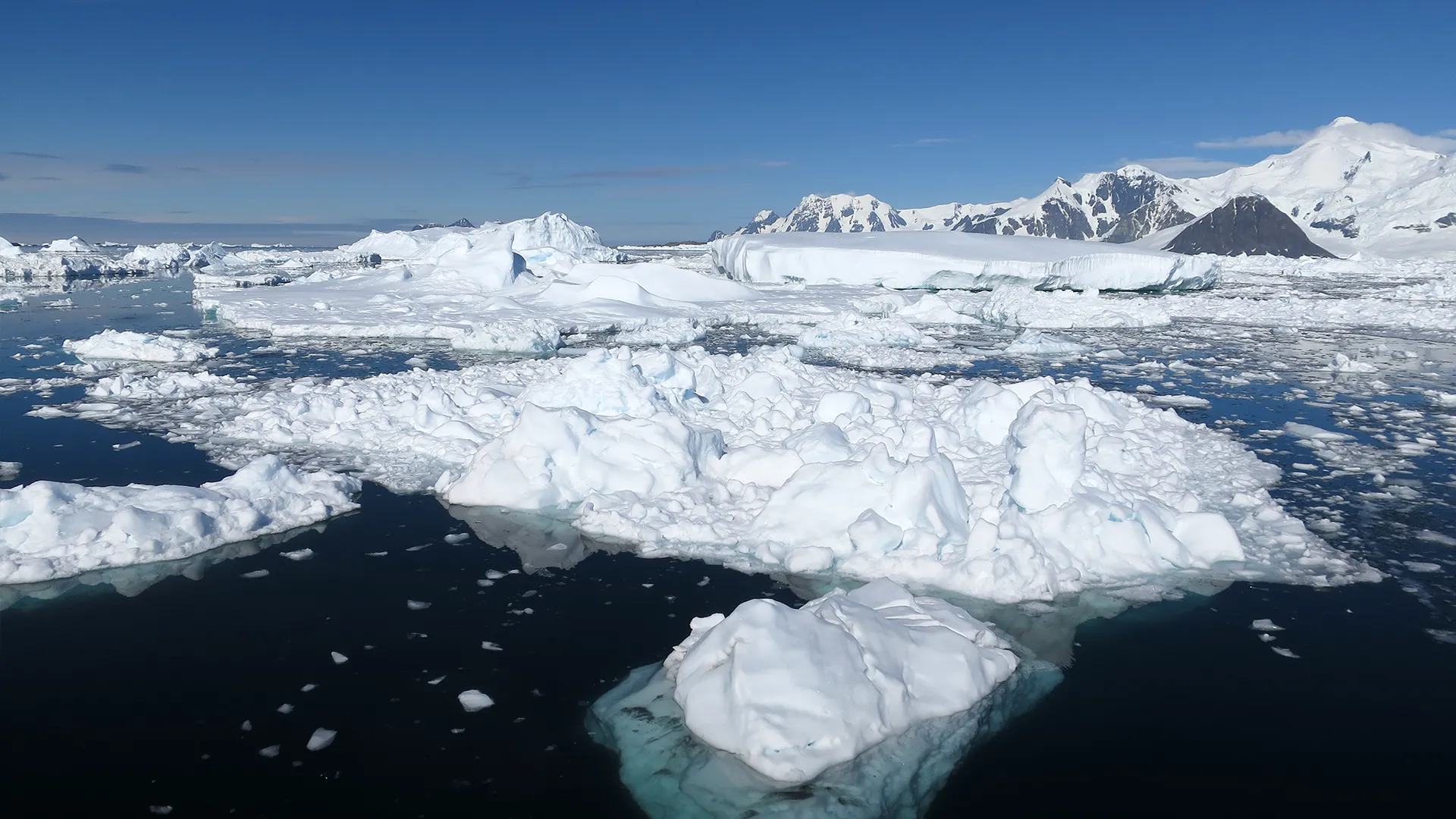
Recent research highlights the crucial role of winter sea ice in the Southern Ocean’s ability to absorb CO2 from the atmosphere. Specifically, longer sea ice duration correlates with a significant increase in CO2 uptake—up to 20% more. This phenomenon occurs because sea ice shields the ocean from strong winter winds. These winds typically stir the water, blending surface layers with deeper, carbon-rich waters. Consequently, sea ice helps maintain a balance where carbon remains trapped beneath the ice instead of being released back into the atmosphere.
The study focuses on the west Antarctic Peninsula, where observations reveal that winter conditions directly affect CO2 levels year-round. More data is essential to deepen our understanding of this complex system. Researchers assert that a clearer picture of how sea ice interacts with ocean dynamics will improve predictions regarding climate change and CO2 mitigation.
Exploring New Frontiers in Climate Research
The need for enhanced wintertime observations is apparent. Collecting data in the Southern Ocean proves challenging due to harsh weather and sea ice cover. Yet, a dedicated group of scientists has successfully gathered year-round measurements since 2010. This commitment not only fills existing gaps in our understanding but also contributes invaluable information that can aid future climate models.
Innovative technology plays a crucial role in overcoming these observational hurdles. Autonomous systems and evolving research methodologies promise to expand our capabilities in this remote region. As understanding of the Southern Ocean deepens, the implications for global carbon cycles become clearer. Each discovery about the interplay between winter sea ice and CO2 uptake helps inform strategies for climate action. Thus, advancing our knowledge in this area might ultimately support larger efforts to combat climate change on a global scale.
Discover More Technology Insights
Explore the future of technology with our detailed insights on Artificial Intelligence.
Discover archived knowledge and digital history on the Internet Archive.
TechV1
