

Fast Facts
-
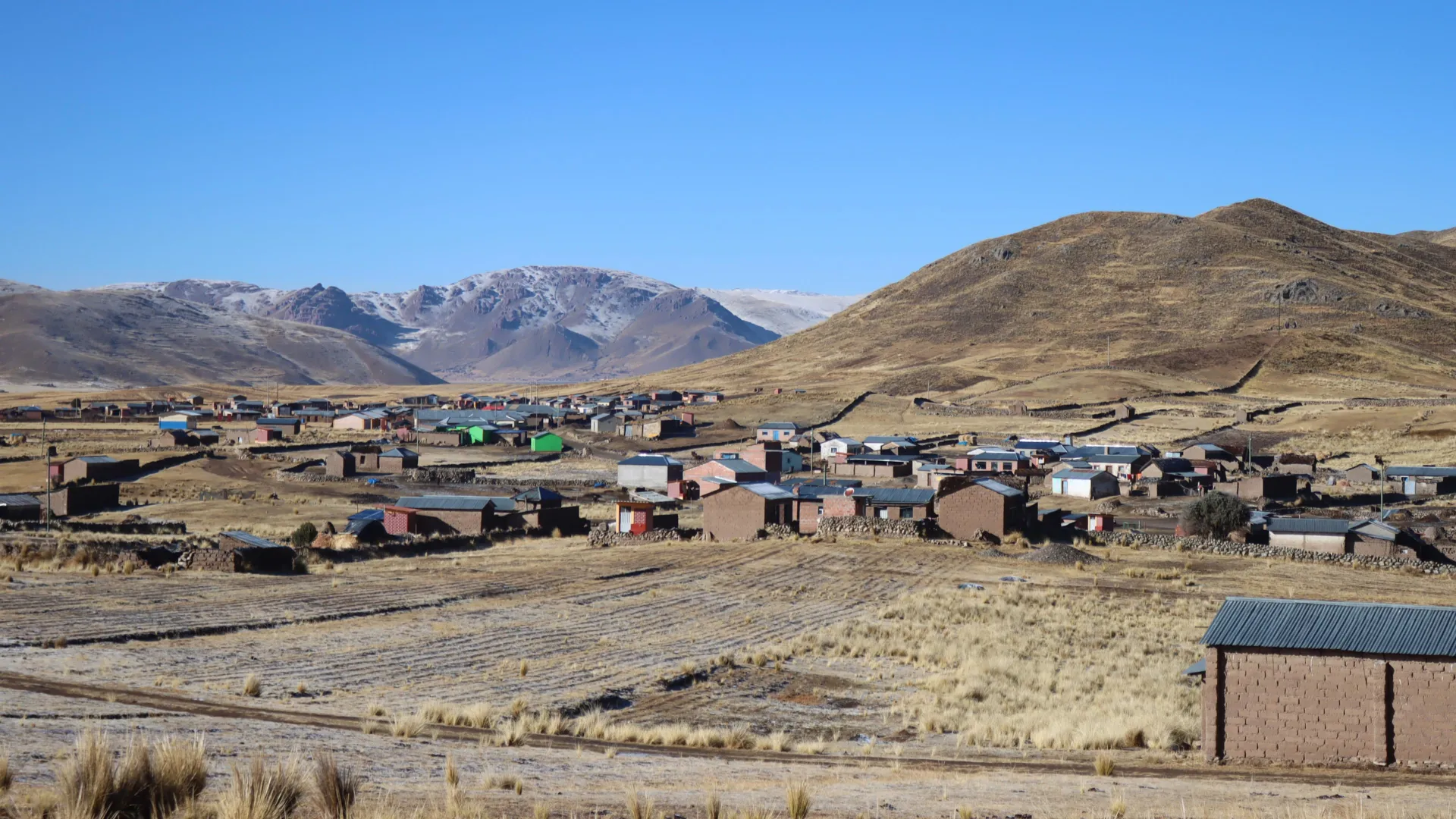
A study published in PLOS One challenges the prevailing notion that the transition from foraging to farming in the Andes was driven by hardship, highlighting instead a period of economic resilience and innovation.
-
Researchers examined ancient diets, finding that a consistent high proportion (84%) of plant material in the diet persisted across both foraging and farming communities for thousands of years.
-
The study suggests that Andean societies effectively managed wild food resources, gradually incorporating domesticated plants and animals without significant resource scarcity.
- Cultural advancements, including trade networks and technological innovations, contributed to the stability and long-term sustainability of these mixed foraging-farming economies in the Titicaca Basin.
Economic Innovation in Ancient Andes
Recent research reveals a new perspective on the origins of agriculture in the Andes. Contrary to the idea that farming emerged from crisis, findings show that this transition thrived during periods of economic resilience. Interestingly, ancient Andean peoples managed their resources effectively, combining foraging and farming for thousands of years. They relied on their deep knowledge of local flora and fauna, ensuring stable food supplies.
This adaptability paved the way for innovations that enhanced agricultural practices. Researchers noted that trade networks expanded, and technologies like ceramics and archery evolved. These advances contributed to a mixed economy, incorporating domesticated plants and animals into daily life. Thus, Andean societies demonstrated a profound understanding of their environment, a fact that changes our understanding of agricultural development.
Practical Applications for the Future
The revelations from this research hold significant implications for modern agriculture. By studying how ancient communities managed resources, contemporary societies can draw lessons about sustainability and resilience. With increasing concerns over climate change and food security, the strategies developed by ancient Andean peoples may offer practical solutions.
Moreover, acknowledging that successful farming does not always stem from desperation can inspire new approaches to agriculture today. By focusing on resource management and innovation, communities can foster food systems that are both stable and culturally rich. The legacy of the Altiplano farmers showcases the potential for thriving agricultural practices when societies leverage their historical knowledge and adapt to their environments. Understanding these ancient practices can guide current and future efforts to achieve food security without compromising sustainability.
Stay Ahead with the Latest Tech Trends
Explore the future of technology with our detailed insights on Artificial Intelligence.
Access comprehensive resources on technology by visiting Wikipedia.
TechV1
