

Summary Points
-
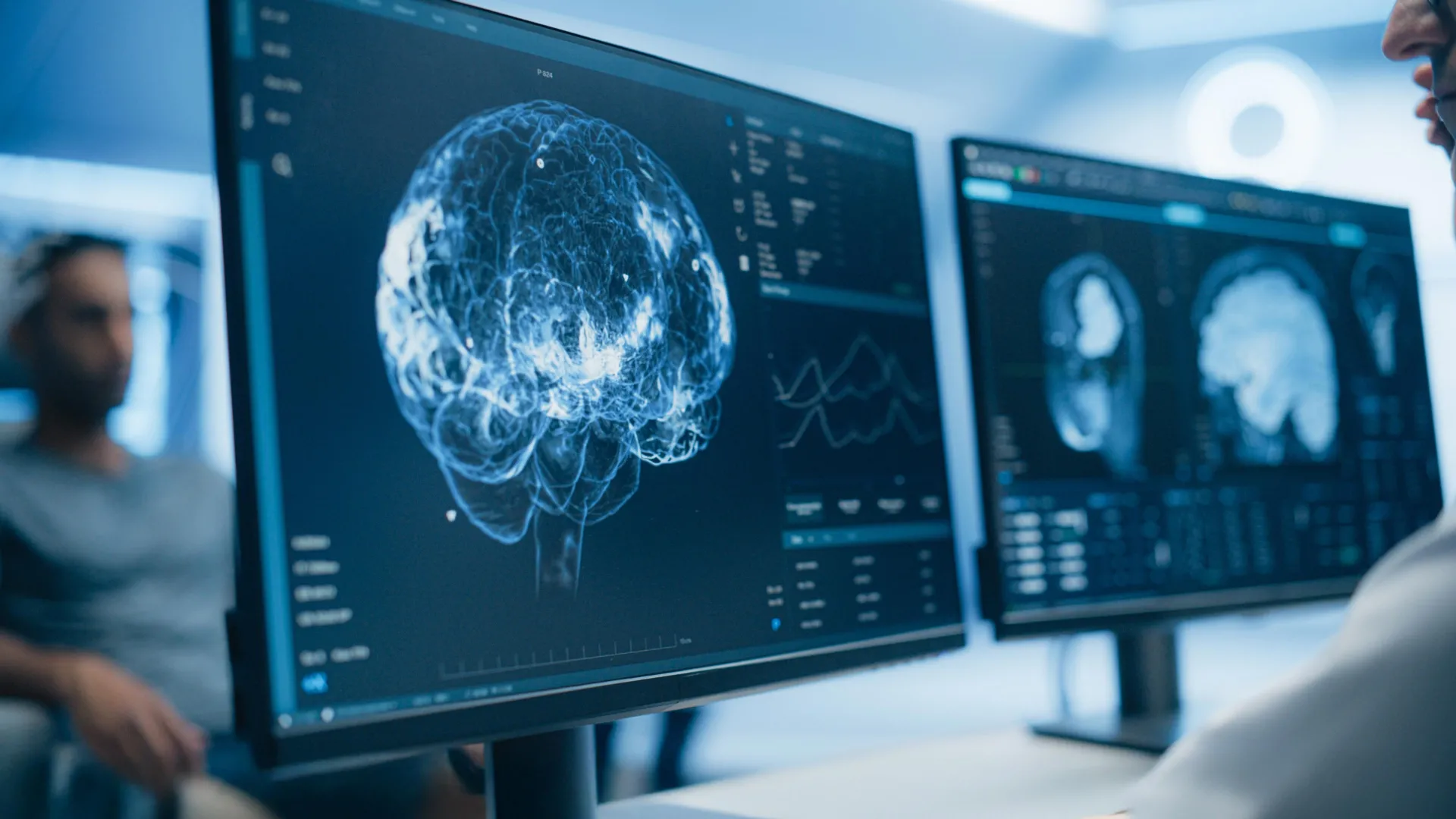
New Imaging Technique: Researchers at the University of Illinois Urbana-Champaign developed a non-invasive metabolic imaging method using MRI machines, providing insight into brain function and disease through high-resolution images of metabolic activity.
-
Early Detection: This technology detects metabolic changes before structural abnormalities show up on traditional MRIs, enabling early diagnosis and intervention for brain diseases like tumors and multiple sclerosis.
-
Speed and Efficiency: The new method significantly reduces scan time to just 12.5 minutes and enhances imaging quality by integrating ultrafast data acquisition with advanced data processing techniques.
- Clinical Applications: The technique promises personalized treatment options by tracking metabolic changes over time, potentially revolutionizing the management of neurological conditions and contributing to precision medicine.
The Promise of Early Disease Detection
Innovative technology now allows clinicians to scan a patient’s brain in just 12 minutes. Researchers at the University of Illinois Urbana-Champaign have developed a method that maps brain chemistry with unprecedented detail. This new metabolic imaging technique reveals crucial differences in neurotransmitter levels across brain regions. By identifying metabolic alterations before structural changes appear on traditional MRI, this technology offers a significant advantage. Earlier diagnosis means better treatment options and improved outcomes for patients.
Current MRI techniques excel in capturing the brain’s structural features. However, they struggle to provide insights into metabolic activity, an essential factor for understanding disease. Conventional imaging can overlook crucial changes occurring in the brain. Beyond just structural analysis, this new technique detects molecular activity linked to conditions such as brain tumors and multiple sclerosis. With the ability to visualize changes up to 70 days before they become evident on standard scans, the potential for early intervention expands dramatically.
Navigating the Road to Adoption
While the benefits are clear, challenges remain in integrating this technology into everyday clinical practice. Fast, accurate brain scans could revolutionize patient care; yet, medical facilities face hurdles in adopting new systems. Practitioners require training to fully utilize this advanced imaging method. Moreover, there’s a need for further studies to solidify its applicability across diverse patient populations.
As healthcare increasingly embraces personalized approaches, this technology aligns perfectly with current trends. It allows clinicians to tailor treatments based on unique metabolic profiles, enhancing the efficacy of interventions. With high-resolution, whole-brain metabolic imaging at our fingertips, we stand on the precipice of a new era in brain health. The journey from research to widespread use may be complex, but the potential impact on patient care is profound and far-reaching.
Expand Your Tech Knowledge
Stay informed on the revolutionary breakthroughs in Quantum Computing research.
Discover archived knowledge and digital history on the Internet Archive.
TechV1
