

Top Highlights
-
New Discovery: University of Portsmouth student Benjamin Weston unearthed a new species of prehistoric mammal, Novaculadon mirabilis, dating back 145 million years, shedding light on early mammals alongside dinosaurs.
-
Advanced Techniques: The team utilized advanced CT scanning and "digital dental surgery" to isolate and study the fossilized jaw, revealing intricate details crucial for understanding this new species.
-
Ecological Insights: Novaculadon mirabilis was likely omnivorous and exhibits a unique feeding strategy, differing from modern rodents, emphasizing the diversity and adaptability of early mammals.
- Collaborative Research: This discovery underscores the collaborative efforts of students and faculty, enhancing the University of Portsmouth’s reputation in paleontological research and highlighting the importance of hands-on fieldwork in education.
Tiny Fossil Sparks New Discoveries
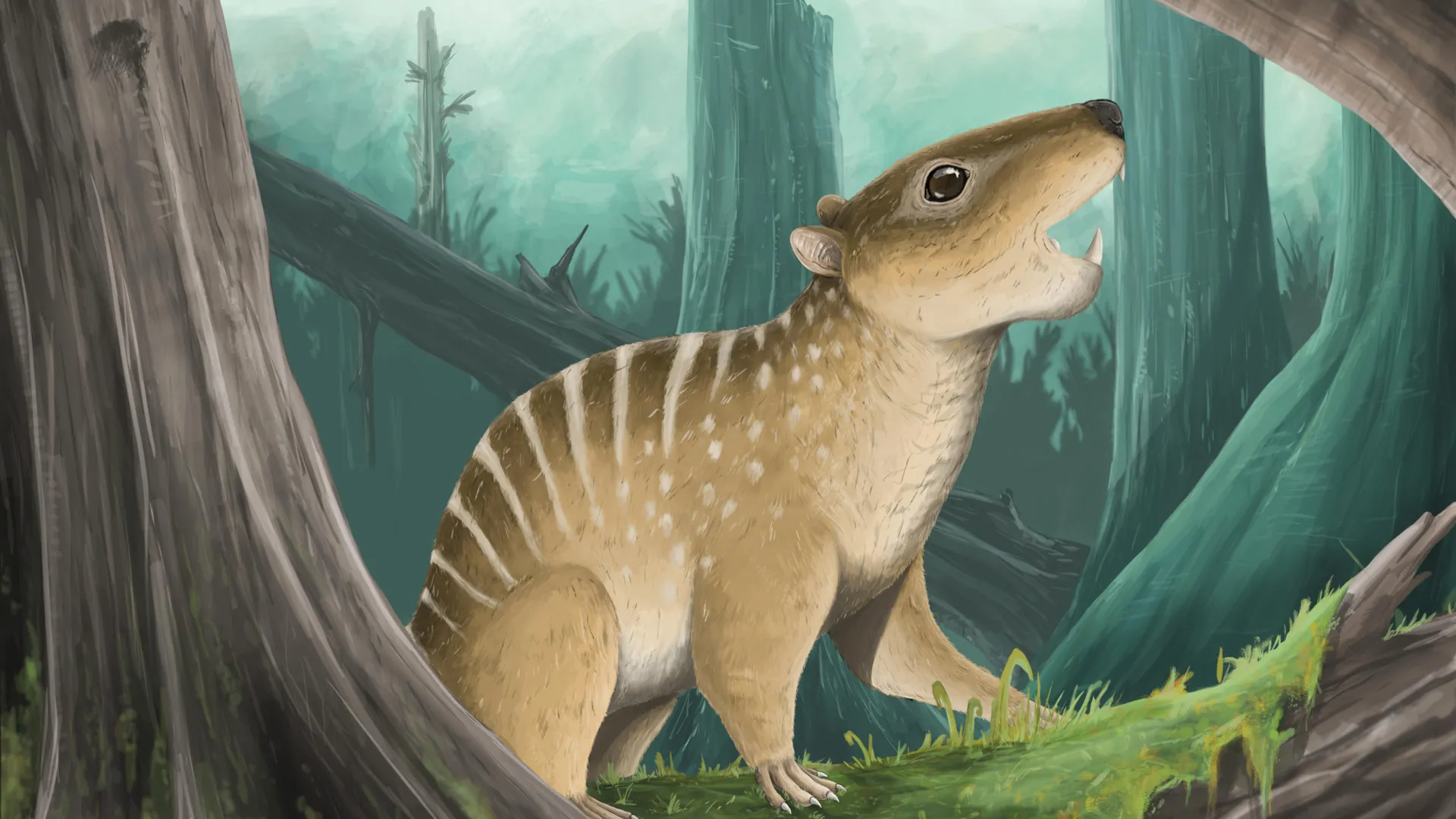
A remarkable discovery has emerged from the cliffs of Durlston Bay in Dorset. A University of Portsmouth undergraduate found a new species of prehistoric mammal dating back 145 million years. This tiny fossil, measuring only 16.5 mm, provides fresh insights into the diversity of early mammals that coexisted with dinosaurs. Known as Novaculadon mirabilis, this multituberculate sports a long pointed incisor and four razor-sharp premolars. It resembles a rabbit’s jaw but belongs to an extinct group recognized for their unique dental structures. Such discoveries are rare; this marks the first multituberculate jaw found at Swanage since Victorian times.
Furthermore, the discovery illustrates the importance of collaborative efforts in paleontological research. Advanced CT scanning technology played a crucial role in isolating the fossil from surrounding rock. Researchers digitally enhanced the specimen, allowing for detailed study without risking damage. The collaborative efforts of students, academics, and technicians underscore how modern technology complements traditional fieldwork. In addition, past discoveries in the same region show a consistent trend of significant findings that enrich our understanding of mammalian evolution.
Implications for Mammal Evolution
Novaculadon mirabilis offers new perspectives on how early mammals adapted to their environments. This species likely had a varied diet, feeding on small invertebrates like worms and insects. Notably, its unique dental structure indicates a different feeding strategy than modern rodents. Such findings enhance our understanding of mammal diversity during the Mesozoic era. Furthermore, multituberculates, although they survived the mass extinction event that wiped out the dinosaurs, eventually became extinct themselves. Their evolutionary history, spanning 130 million years with over 200 known species, showcases their ecological adaptability.
These discoveries also highlight the vital role of undergraduate fieldwork in advancing scientific knowledge. The University of Portsmouth’s programs emphasize hands-on learning and real-world experiences, preparing students for careers in science and research. As more students like the one behind this discovery engage in fieldwork, we can expect further insights into the rich tapestry of life that existed alongside the dinosaurs. Such achievements not only contribute to paleontology but also inspire future generations of scientists to explore the past and its implications for our present and future.
Discover More Technology Insights
Stay informed on the revolutionary breakthroughs in Quantum Computing research.
Stay inspired by the vast knowledge available on Wikipedia.
TechV1
