

Fast Facts
-
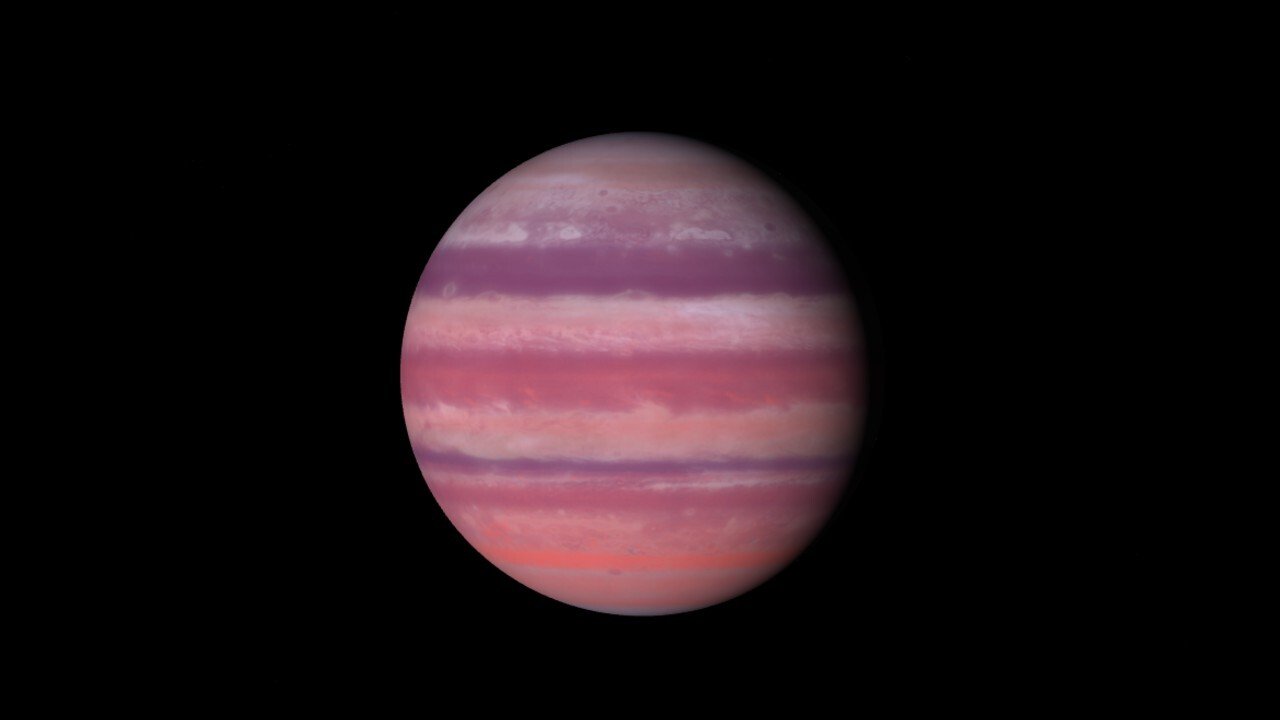
Discovery of Kepler-139f: Astronomers have identified a hidden exoplanet, Kepler-139f, which is twice the size of Neptune, using advanced techniques analyzing the orbits of existing planets in the Kepler-139 system.
-
Detection Methods: The find utilized transit timing variations (TTVs) and radial velocity (RV) measurements, revealing the presence of the unseen planet despite its inclined orbit.
-
Density Revisions: The discovery of Kepler-139f clarified previous misconceptions about the densities of other known planets in the system, particularly Kepler-139c.
- Future Prospects: The upcoming PLATO mission set to launch in 2026 aims to enhance the detection of hidden planets by improving TTV measurements and revisiting the Kepler field.
Astronomers Discover Giant Alien Planet in Kepler-139 System
Astronomers recently unveiled a remarkable discovery: a massive alien planet hiding in the star system Kepler-139. This new exoplanet, named Kepler-139f, boasts a mass 35 times greater than Earth, making it roughly twice the size of Neptune. Researchers confirmed that Kepler-139f completes an orbit around its star in 355 days, marking a significant find in the ongoing study of distant worlds.
Initially, NASA’s Kepler space telescope identified planets by observing their transits. These transits occur when a planet passes in front of its star, causing a temporary dimming. However, Kepler-139f escaped detection since it doesn’t follow this predictable path. Instead, it resides in a complex system with several known planets, making it more challenging to spot.
To uncover this hidden giant, scientists analyzed the interplay of gravitational forces within the system. They used precise measurements of orbital irregularities to identify Kepler-139f. Notably, the presence of transiting super-Earths in the same system provided critical clues.
“What we did was look for gaps in the orbits of known planets to infer the existence of unseen ones,” explained a lead researcher. The discovery demonstrated how advanced techniques like radial velocity and transit timing variations could reveal hidden worlds even in crowded star systems.
Moreover, Kepler-139f sheds light on previous findings. Its existence clarified discrepancies in the density measurements of another planet in the system, Kepler-139c. This update offers a more accurate understanding of the planet’s characteristics.
As astronomers look to the future, the potential for discovering even more hidden worlds increases. The upcoming European Space Agency mission, PLATO, aims to revisit Kepler’s field, enhancing our ability to detect and study these elusive planets.
Overall, the discovery of Kepler-139f not only enriches our knowledge of planetary systems but also signifies a leap in technological advancements. With each new finding, scientists refine their methods, paving the way for future exploration and understanding of the universe. The quest to unveil the mysteries of distant planets promises to inspire and enhance our understanding of our own solar system as well.
Stay Ahead with the Latest Tech Trends
Explore the future of technology with our detailed insights on Artificial Intelligence.
Access comprehensive resources on technology by visiting Wikipedia.
SciV1
