

Top Highlights
-
Crucial Role of Vitamin D: Vitamin D is vital for health, functioning as a precursor to calcitriol, which regulates calcium and phosphate uptake, cell growth, muscle function, nerve health, and immune response.
-
Discovery of SDR42E1 Gene: Researchers identified the SDR42E1 gene as essential for vitamin D absorption and metabolism, with potential implications for precision medicine, including targeted cancer therapies.
-
Impact on Cancer Cells: Inhibiting SDR42E1 in colorectal cancer cells resulted in a 53% decrease in cell viability, highlighting its role as a critical regulator in cancer-related signaling pathways.
- Potential Therapeutic Avenues: While SDR42E1 can be targeted to inhibit cancer, there’s also potential to enhance its activity for vitamin D-related health benefits, though further research is needed to understand long-term effects.
The Vitamin D Connection
Vitamin D is essential for our health. It acts as a precursor to calcitriol, a hormone crucial for several bodily functions. Specifically, it regulates the uptake of calcium and phosphate, key for bone health, and supports muscle, nerve, and immune functions. Recent research reveals the role of a specific gene, SDR42E1, in how our bodies absorb and metabolize vitamin D. This discovery holds promise, particularly in precision medicine.
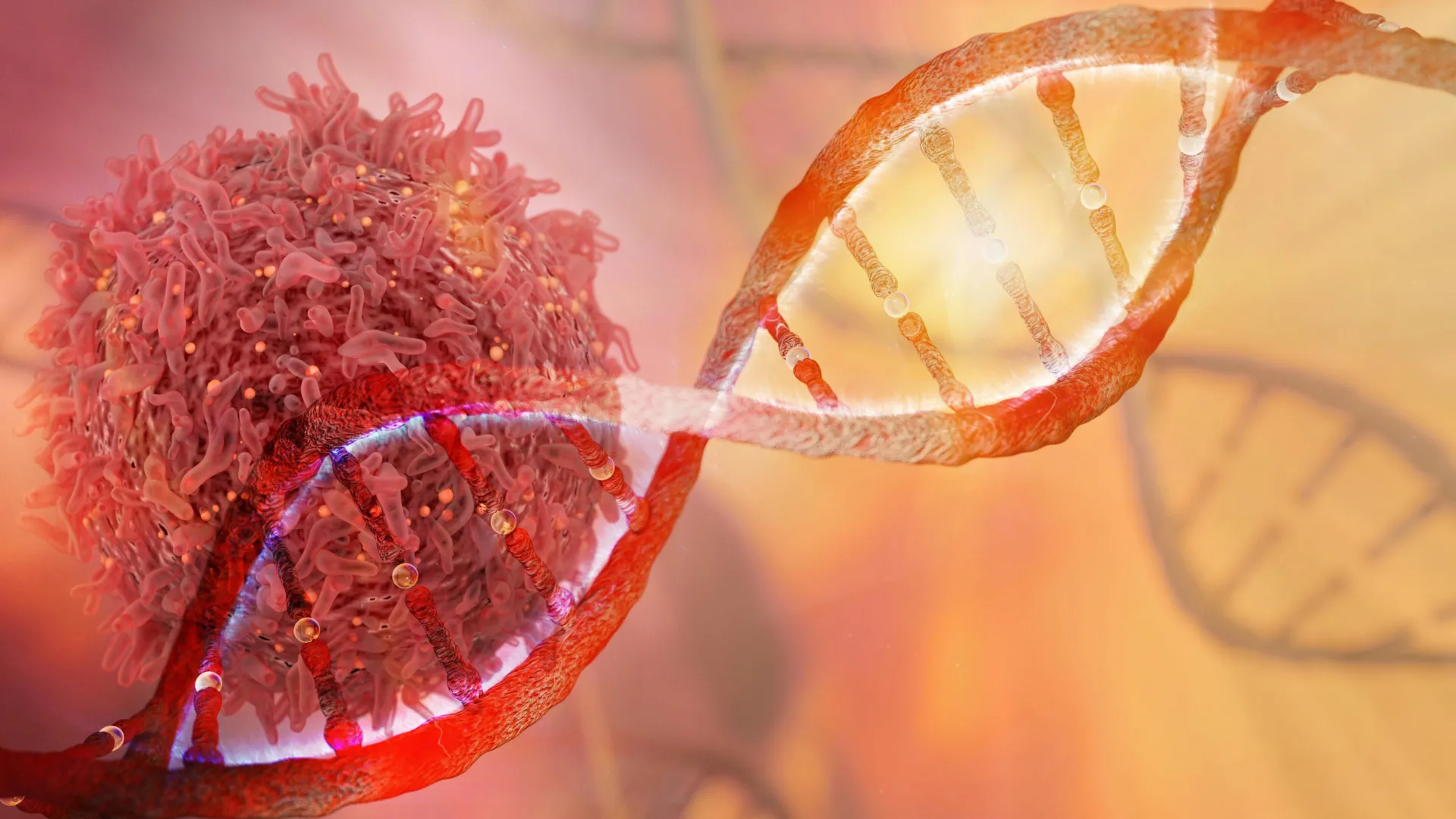
Researchers transformed a patient’s colorectal cancer cells to investigate SDR42E1’s effects. They found that, when they rendered this gene inactive, the cancer cells’ viability dropped by over 50%. This significant finding suggests that targeting SDR42E1 can selectively kill cancer cells while sparing healthy ones. Therefore, SDR42E1 serves as a pivotal player in various biological processes. Scientists could harness this knowledge to develop innovative cancer therapies.
Future Implications and Cautions
However, the potential goes beyond just cancer treatment. Researchers propose increasing SDR42E1 activity in target tissues could enhance the health benefits of vitamin D. This approach could help in managing diseases where vitamin D plays a regulatory role, such as certain cancers and autoimmune disorders. Yet, any change in gene activity must proceed with caution. The long-term implications for vitamin D balance remain largely unknown.
The pathway to clinical application involves rigorous validation and testing. The research highlights the delicate balance between manipulating our genetic makeup and ensuring safety for patients. While the potential of CRISPR and SDR42E1 opens exciting avenues, it also requires careful consideration of ethical implications and long-term health effects. The journey into gene editing and its applications in human health is just beginning.
Discover More Technology Insights
Explore the future of technology with our detailed insights on Artificial Intelligence.
Stay inspired by the vast knowledge available on Wikipedia.
TechV1
