

Fast Facts
-
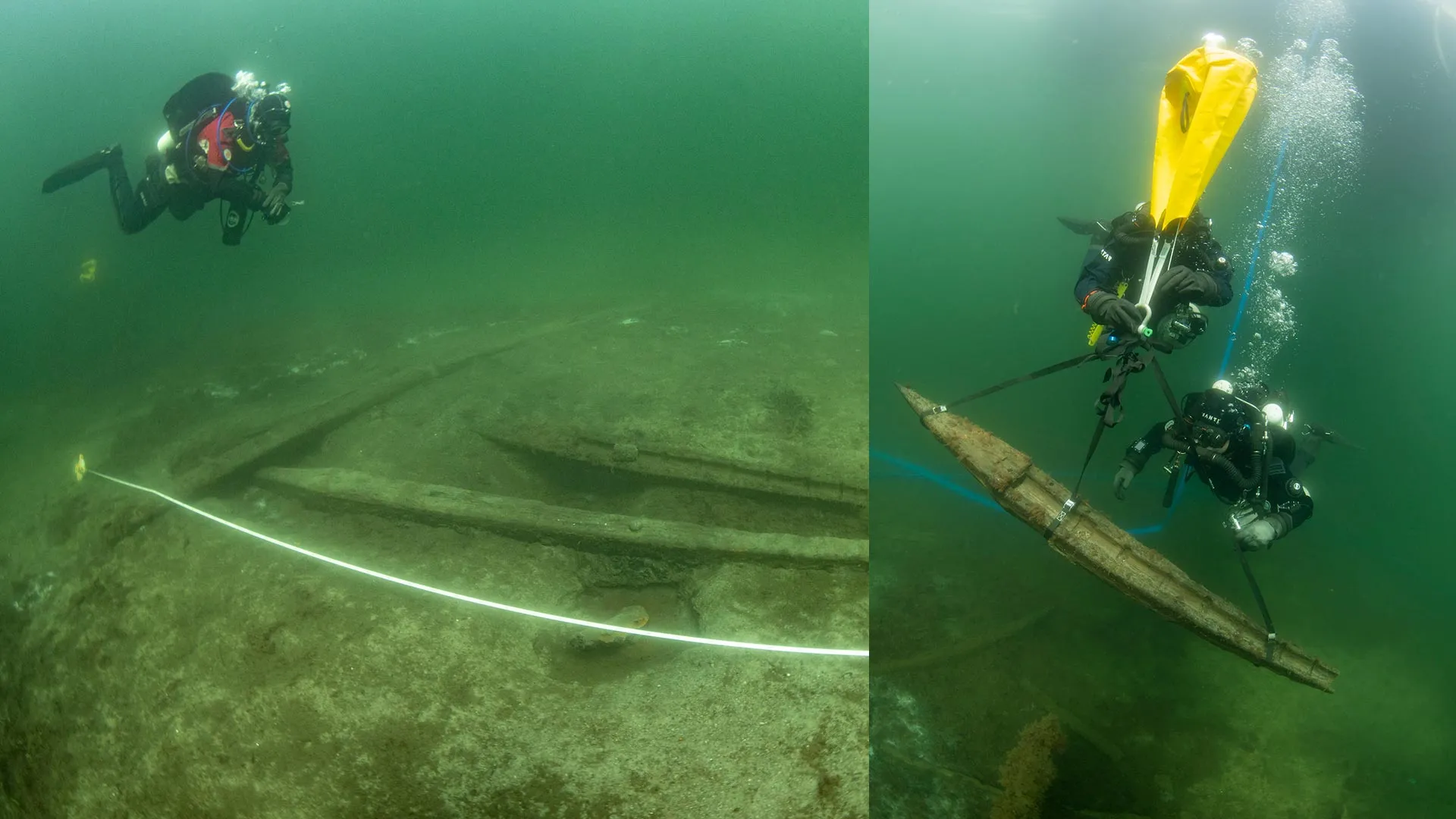
Unique Shipwreck Discoveries: Lund University archaeologists unearthed the only known late medieval shipwreck, Gribshunden, revealing nearly identical artillery to that used by early explorers like Columbus and Vasco da Gama.
-
Royal Significance: Built for King Hans of Denmark-Norway, Gribshunden served as a “floating castle” for royal duties, absorbing around 8% of the Danish national budget in 1485, emphasizing its strategic importance.
-
Explosion Evidence: The ship sank in 1495 due to an explosion, as confirmed by flattened lead artillery shots, indicating the tragic circumstances surrounding the loss of this historically significant vessel.
-
Colonial Hesitation: Despite its advanced artillery, Denmark under King Hans focused on consolidating power in the Baltic region rather than pursuing expansion into the Americas, limited by papal decrees favoring Spain and Portugal.
Revealing the Past: Insights from the Gribshunden
The Gribshunden shipwreck has opened a window into late medieval maritime technology. Archaeologists from Lund University have uncovered details about the ship’s impressive artillery. This research reveals how the flagship functioned as much more than a vessel; it was a symbol of power for King Hans of Denmark and Norway. Notably, the ship carried over 50 small-caliber guns. These weapons were designed for close combat, showcasing tactical ingenuity of the time.
Moreover, the Gribshunden is remarkably well-preserved. It stands as a crucial resource for understanding ship design and armament during the Age of Exploration. By analyzing artifacts and recreating them using 3D models, researchers have begun piecing together the warship’s story. This ship, like those of Columbus and Vasco da Gama, illustrates a turning point in maritime history. Through this lens, we see the intertwined narratives of conquest, colonization, and the technology that fueled them.
The Complexities of Exploration
Despite its advanced capabilities, Denmark under King Hans did not pursue expansion into the Americas. Historical context offers clues. The papal bull signed by Pope Alexander VI limited exploration rights primarily to Spain and Portugal. This ruling may have deterred Danish ambitions in the New World. Additionally, King Hans focused on consolidating his power in the Baltic region, using the Gribshunden as a diplomatic tool.
This paradox highlights the factors influencing exploration and colonization. The ship was not just a mode of travel; it facilitated royal functions and governance. Thus, while the Gribshunden points to possibilities of a Danish presence in the Americas, practical constraints ultimately determined Hans’ priorities. Understanding these dynamics enriches our comprehension of how technology interacts with political motivations in shaping history.
Continue Your Tech Journey
Learn how the Internet of Things (IoT) is transforming everyday life.
Stay inspired by the vast knowledge available on Wikipedia.
TechV1
