

Quick Takeaways
-
Dementia-like Behavior in Pancreas Cells: Cancer Research UK-funded scientists discovered that pre-cancerous pancreas cells exhibit dementia-like behavior due to faults in autophagy, potentially linking it to pancreatic cancer development.
-
Significance of Autophagy Disruption: The research highlights the role of disrupted autophagy, alongside the faulty KRAS gene, in the onset of pancreatic cancer, providing insights on how these processes could be targeted for prevention.
-
Importance of Early Detection: Pancreatic cancer often goes undiagnosed until late stages, contributing to its high mortality rate in the UK; understanding cellular changes may enhance early detection and treatment strategies.
-
Future Research Directions: The study paves the way for further exploration into age, sex, and diet’s role in pancreatic cancer development, aiming to improve diagnosis and therapeutic outcomes.
Understanding the Link Between Dementia-like Changes and Cancer
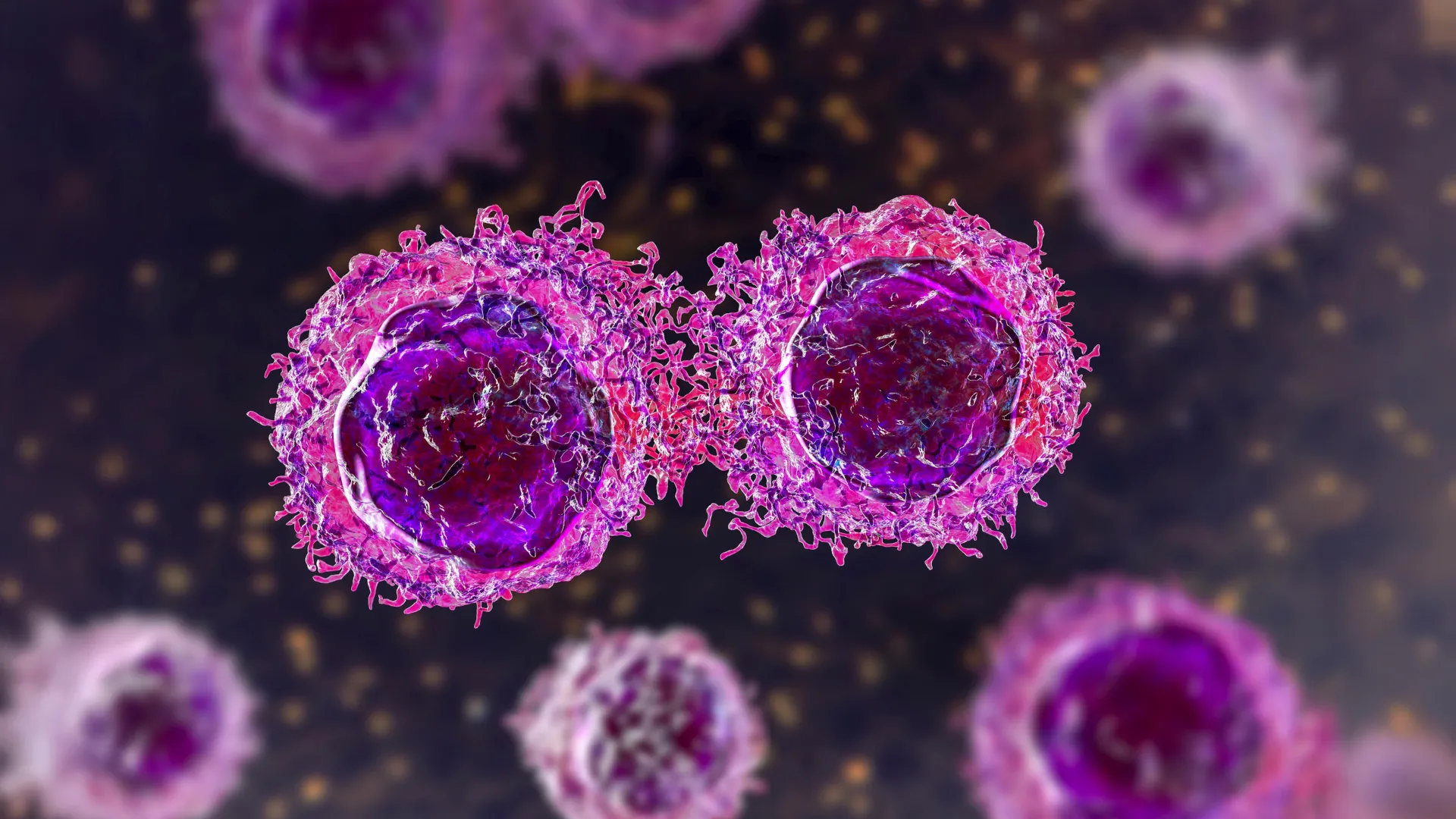
Recent findings from Cancer Research UK reveal a troubling connection between dementia-like clumps in pancreatic cells and the development of pancreatic cancer. This research highlights how pre-cancer cells exhibit faulty recycling processes known as autophagy. Essentially, autophagy helps cells break down unwanted molecules, maintaining health. When this process fails, it can lead to excess “problem protein” accumulation, a behavior also seen in neurological diseases like dementia.
The researchers observed this clumping in pancreatic cells of mice, and notably, in human samples as well. These similarities suggest that understanding neurological diseases may provide critical insights into treating pancreatic cancer. Although survival rates for many cancers have improved, pancreatic cancer continues to present challenges, partially due to late-stage diagnoses. By studying these clumping mechanisms, scientists aim to uncover early indicators of cancer, which can ultimately guide prevention strategies.
A Promising Path Towards Progress
Investigating the interaction between the KRAS gene mutation and autophagy disruption could propel cancer research forward. This study suggests that while genetic factors play a role in cancer development, environmental factors and cell behavior also contribute significantly. Researchers plan to explore these processes further, examining how age, sex, or diet might influence pancreatic cancer risks.
This research stands out for its potential to foster new treatments and prevention strategies. By linking clumping phenomena in pre-cancerous cells to well-known mechanisms in other diseases, scholars can pave the way for breakthroughs in medical science. Ultimately, understanding how to better monitor and potentially reverse the early signs of this aggressive cancer could save lives. The pursuit of knowledge in this field not only enhances our understanding of pancreatic cancer but also contributes to the broader aim of improving health outcomes worldwide.
Stay Ahead with the Latest Tech Trends
Explore the future of technology with our detailed insights on Artificial Intelligence.
Access comprehensive resources on technology by visiting Wikipedia.
TechV1
