

Summary Points
-
Redefinition and New Genus: Brazilian paleobotany identifies a new genus, Franscinella, for a fossil plant originally classified as Lycopodites riograndensis, solving a 50-year taxonomic puzzle in the Paraná Basin.
-
Innovative Techniques: The reclassification was achieved using advanced methodologies, including scanning electron microscopy, that revealed critical anatomical details and in situ spores, enhancing understanding of ancient plant biology.
-
Linking Macrofossils and Microfossils: The discovery of spores consistent with the genus Converrucosisporites bridges macrofossil and microfossil records, aiding in reconstructing Permian plant communities and advancing biostratigraphy.
-
Significance of Findings: This research highlights the importance of revisiting fossil classifications and contributes valuable insights into the diversity of vascular plants during the Permian in Gondwana, with implications for global paleobotanical studies.
A Breakthrough in Paleobotany
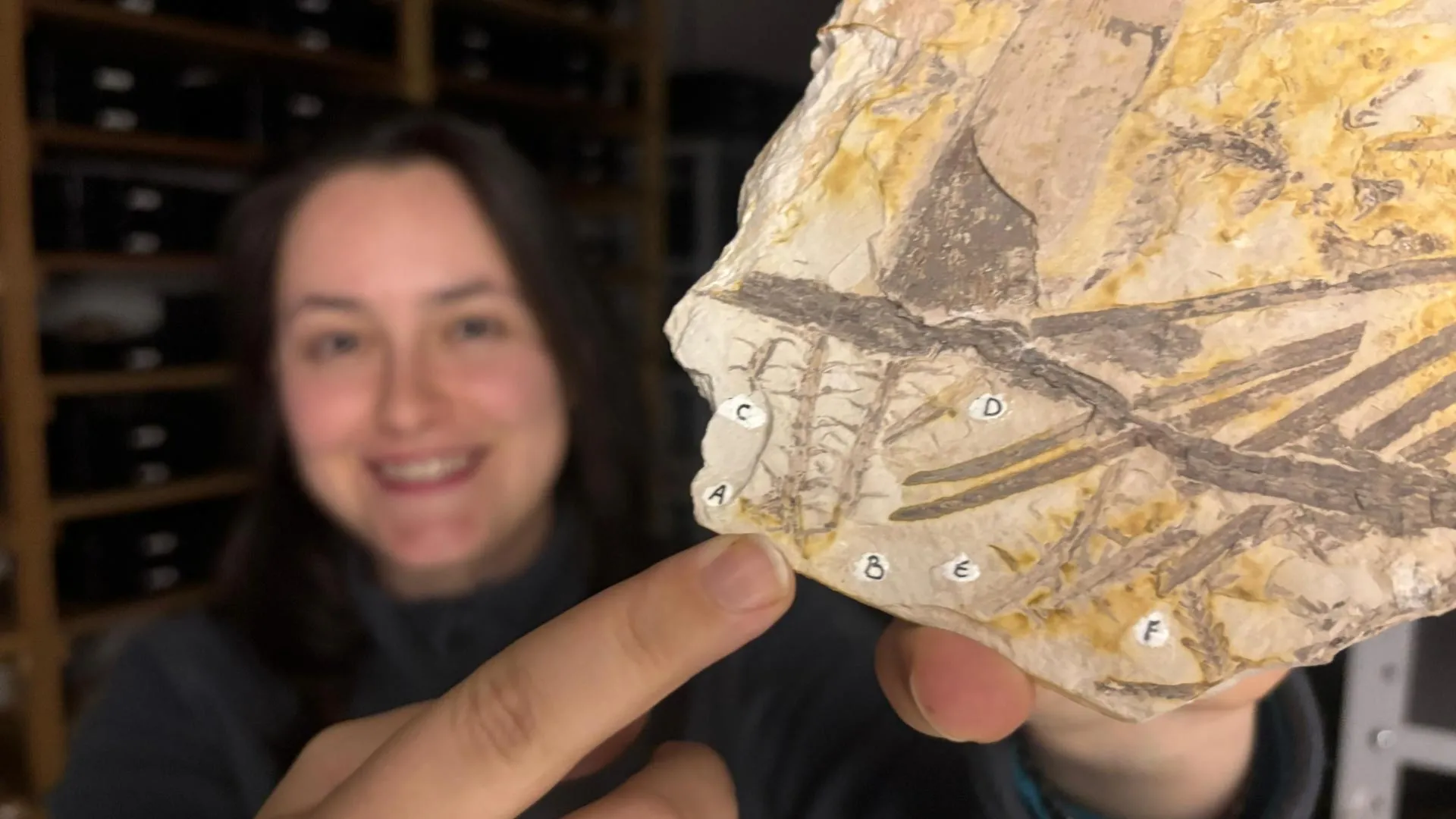
Recent findings in Brazilian paleobotany have ignited excitement in the scientific community. Researchers have redefined a fossil plant, previously known as Lycopodites riograndensis, and created a new genus called Franscinella. This discovery stems from a master’s thesis transformed into groundbreaking research. Thanks to advanced methodologies and interdisciplinary collaboration, the study reveals the first record of lycopodites with in situ spores in the Permian strata of Brazil. This remarkable feat addresses a challenge that has baffled scientists for over 50 years.
New techniques played a vital role in this breakthrough. With resources like scanning electron microscopy and sophisticated molding methods, the research team revisited old specimens from the Univates Paleontological Collection. As a result, they uncovered invaluable anatomical details, including well-preserved vascular structures and spores that still reside within the plant’s reproductive structures. This discovery not only reclassifies the plant but reshapes our understanding of ancient ecosystems.
The implications of finding these spores are significant. The morphology of the spores aligns with a known palynological genus, Converrucosisporites, shedding light on the vegetation of the Permian period. This connection enhances our ability to interpret past plant communities and enriches studies in biostratigraphy. By correlating different fossil types, researchers can piece together a more comprehensive view of ancient life.
Moreover, the study emphasizes the importance of revisiting historical specimens with modern tools. This approach could open doors to additional groundbreaking discoveries in paleobotany. The findings not only advance scientific understanding but also reaffirm the unique value of fossils in revealing our planet’s history. As we delve deeper into our past, we unlock new insights that can shape our future as stewards of the Earth.
Expand Your Tech Knowledge
Stay informed on the revolutionary breakthroughs in Quantum Computing research.
Discover archived knowledge and digital history on the Internet Archive.
TechV1
