

Fast Facts
-
IPO Pricing and Valuation: Beta Technologies aims to raise up to $825 million with an IPO share price set between $27 and $33, potentially valuing the company at $7.2 billion.
-
Founder Background: CEO Kyle Clark, a Harvard graduate and former hockey player, has uniquely steered the company without venture capital, raising $1.15 billion from institutional investors.
-
Regulatory Approval: The company filed for its IPO amidst a government shutdown, leveraging a new SEC rule that expedites the process for companies in IPO limbo.
-
Strategic Partnership: Beta announced a $300 million investment from GE Aerospace to develop a hybrid-electric turbogenerator for advanced aircraft, further solidifying its market position.
The Ambitious IPO of Beta Technologies
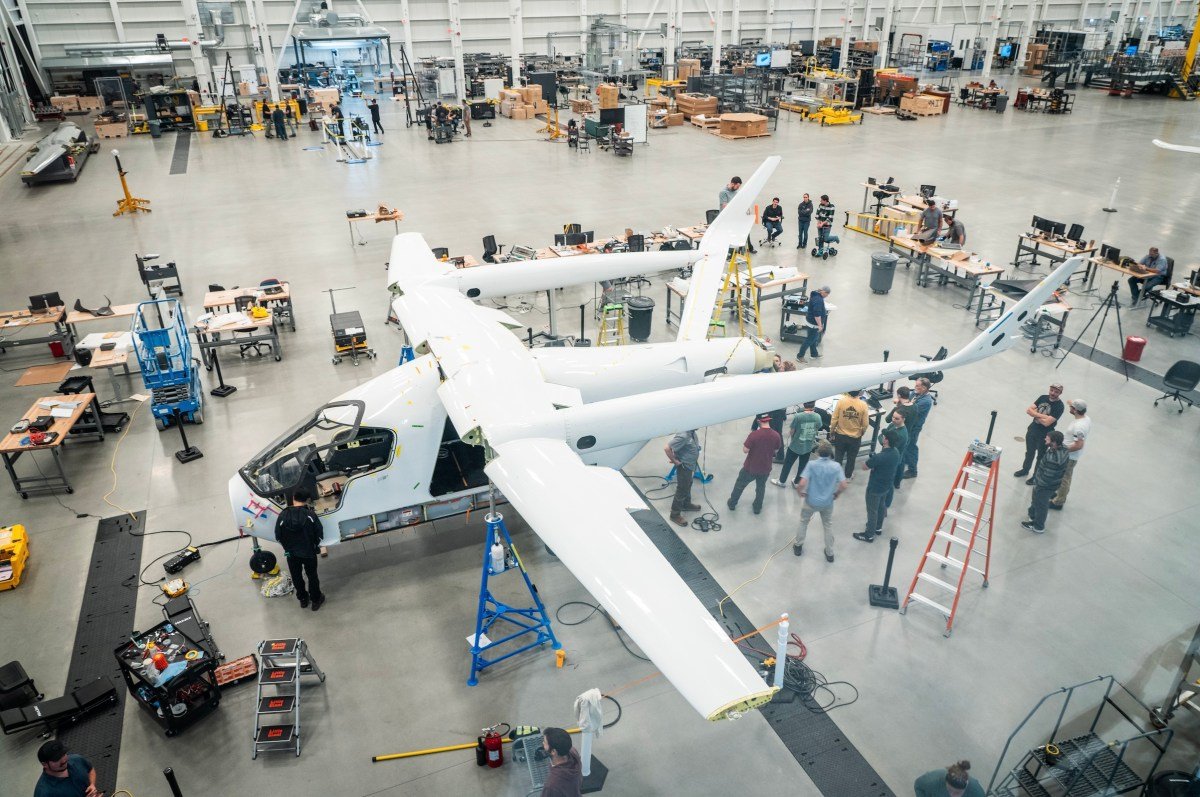
Electric aviation gains momentum as Beta Technologies prepares for an initial public offering (IPO). The startup aims to raise up to $825 million, pricing shares between $27 and $33. A successful launch could catapult the company’s valuation to around $7.2 billion. This ambitious move comes amid the current government shutdown, yet Beta’s approach reflects resilience. By adopting a regulatory change permitting automatic effectiveness in IPO filings, Beta joins other companies pushing forward during uncertain times.
Founded in 2017 by Kyle Clark, Beta Technologies took a unique route. Clark’s background combines business acumen with inspiration from his previous career as a professional hockey player and pilot instructor. Instead of following the Silicon Valley mold, he stayed rooted in Vermont. Noteworthy is the fact that Beta has avoided traditional venture capital by securing $1.15 billion from institutional investors, such as Fidelity and the Qatar Investment Authority. This financial independence speaks volumes about the company’s potential and credibility in the burgeoning electric aviation market.
A Vision for the Future of Flight
Beta Technologies is not just another startup. Its partnership with GE Aerospace signals strong industry confidence. Together, they aim to develop a hybrid-electric turbogenerator for next-gen aircraft. This collaboration promises to accelerate the evolution of air travel. With GE investing $300 million and taking a stake in Beta, the implications for future commercial aviation are significant.
The vision extends beyond just electric aircraft; it encompasses a more sustainable future in aviation. As Beta moves forward, it embodies a potential shift in how we view air travel. The implications for carbon reduction and efficiency are profound. Yet, widespread adoption depends on multiple factors, including technological advancements and consumer acceptance.
In summary, Beta Technologies stands at a crossroads, ready to redefine aviation. Its upcoming IPO represents not only a financial milestone but also a profound step towards a cleaner, more efficient mode of transportation. The journey has just begun, but the potential impact on the human journey is already clear.
Stay Ahead with the Latest Tech Trends
Explore the future of technology with our detailed insights on Artificial Intelligence.
Discover archived knowledge and digital history on the Internet Archive.
TechV1
