

Summary Points
-
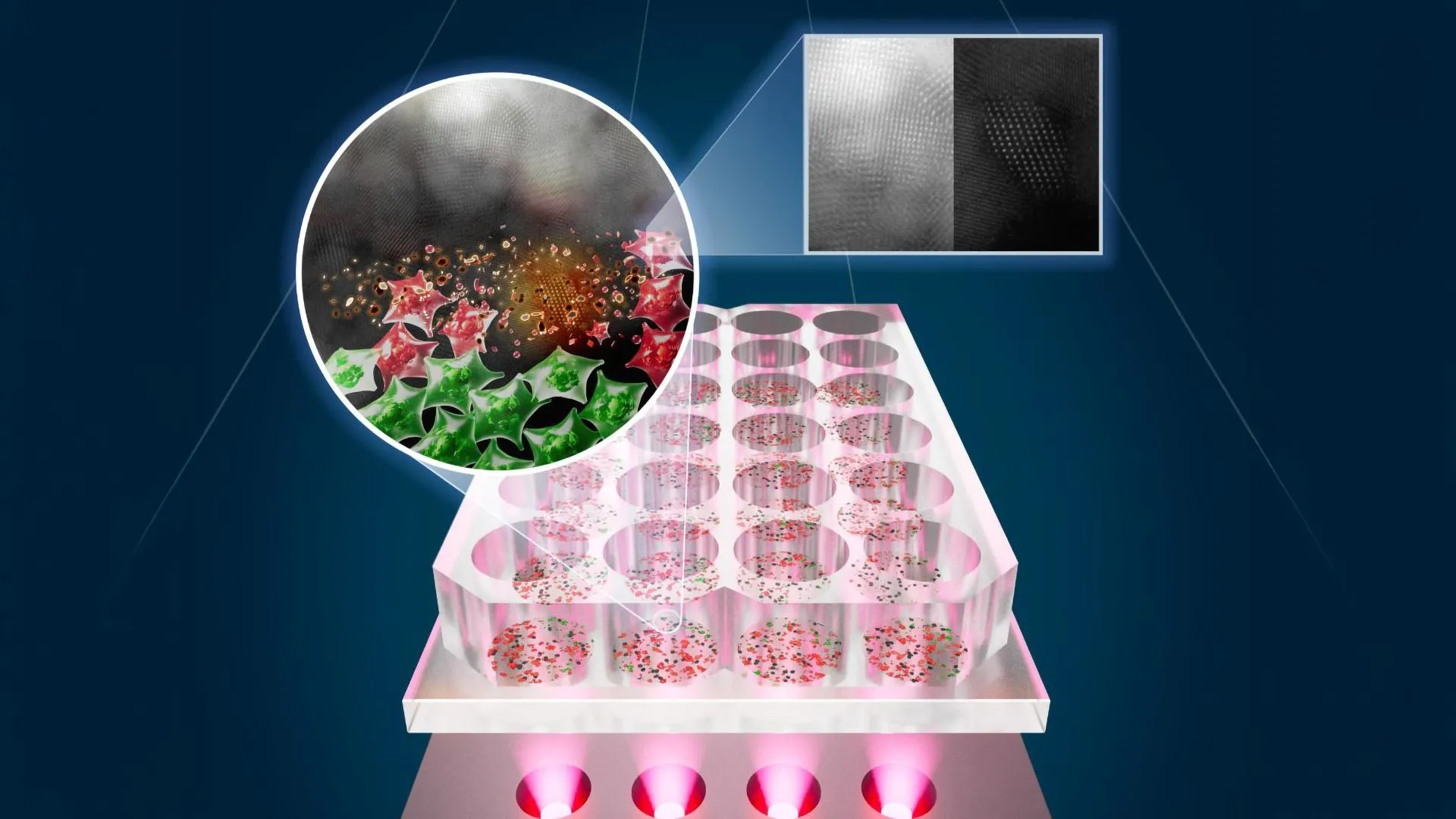
Innovative Therapy Development: Researchers from The University of Texas at Austin and the University of Porto have created a new cancer treatment using LED light and ultra-thin tin-based nanoflakes, effectively targeting cancer cells while protecting healthy tissue, avoiding traditional side effects.
-
High Treatment Efficacy: In studies, the therapy destroyed up to 92% of skin cancer cells and 50% of colorectal cancer cells after just 30 minutes of LED exposure, demonstrating significant precision and safety.
-
Accessibility Focus: The collaboration aims to make light-based cancer therapies more affordable and accessible, with plans for portable devices that could allow treatment to be administered at home, particularly beneficial for skin cancer patients.
-
Ongoing Research and Funding: The team has received additional funding to expand their research, including the development of an implant for breast cancer patients, which could lead to more personalized, cost-effective, and less invasive cancer treatments.
LED Light and Nanoflakes Team Up Against Cancer
Scientists recently unveiled a groundbreaking cancer therapy that harnesses the power of LED light and ultra-thin flakes of tin. This innovative method targets cancer cells while protecting healthy tissue, marking a significant advancement over traditional chemotherapy. Patients often endure painful side effects from conventional treatments, but this new approach minimizes harm. Researchers from The University of Texas at Austin and the University of Porto collaborated on this project, transforming complex and costly medical technology into a more accessible alternative.
During a study, the LED treatment exhibited impressive results. It killed up to 92% of skin cancer cells and 50% of colorectal cancer cells within just 30 minutes. These findings underscore the therapy’s precision. Jean Anne Incorvia noted that their goal was to create a method that balances efficiency with safety. By using LED lights and SnOx nanoflakes, the team crafted a solution that promises both effectiveness and affordability. This shift from expensive lasers to LEDs could revolutionize how we treat cancer.
Bringing Light-Based Cancer Care to Patients
The need for safer cancer treatments has never been more critical. Cancer remains a leading cause of death globally, and researchers continue to hunt for more targeted therapies. Light-based treatments, like the one developed by this team, show great promise for reducing the side effects associated with current methods. Their work emphasizes the importance of innovation in health care.
Looking ahead, the researchers aim to create practical medical devices for at-home treatment. Imagine a portable device that patients could use after surgery to destroy residual cancer cells at home. This vision could significantly enhance patient care, especially in regions with limited access to specialized medical facilities. By expanding their research into breast cancer patients, the team aims to develop personalized treatments that prioritize patient comfort. As this collaboration evolves, it may pave the way for a new era in cancer therapy, where access and affordability become the norm rather than the exception.
Discover More Technology Insights
Explore the future of technology with our detailed insights on Artificial Intelligence.
Explore past and present digital transformations on the Internet Archive.
TechV1
