

Top Highlights
-
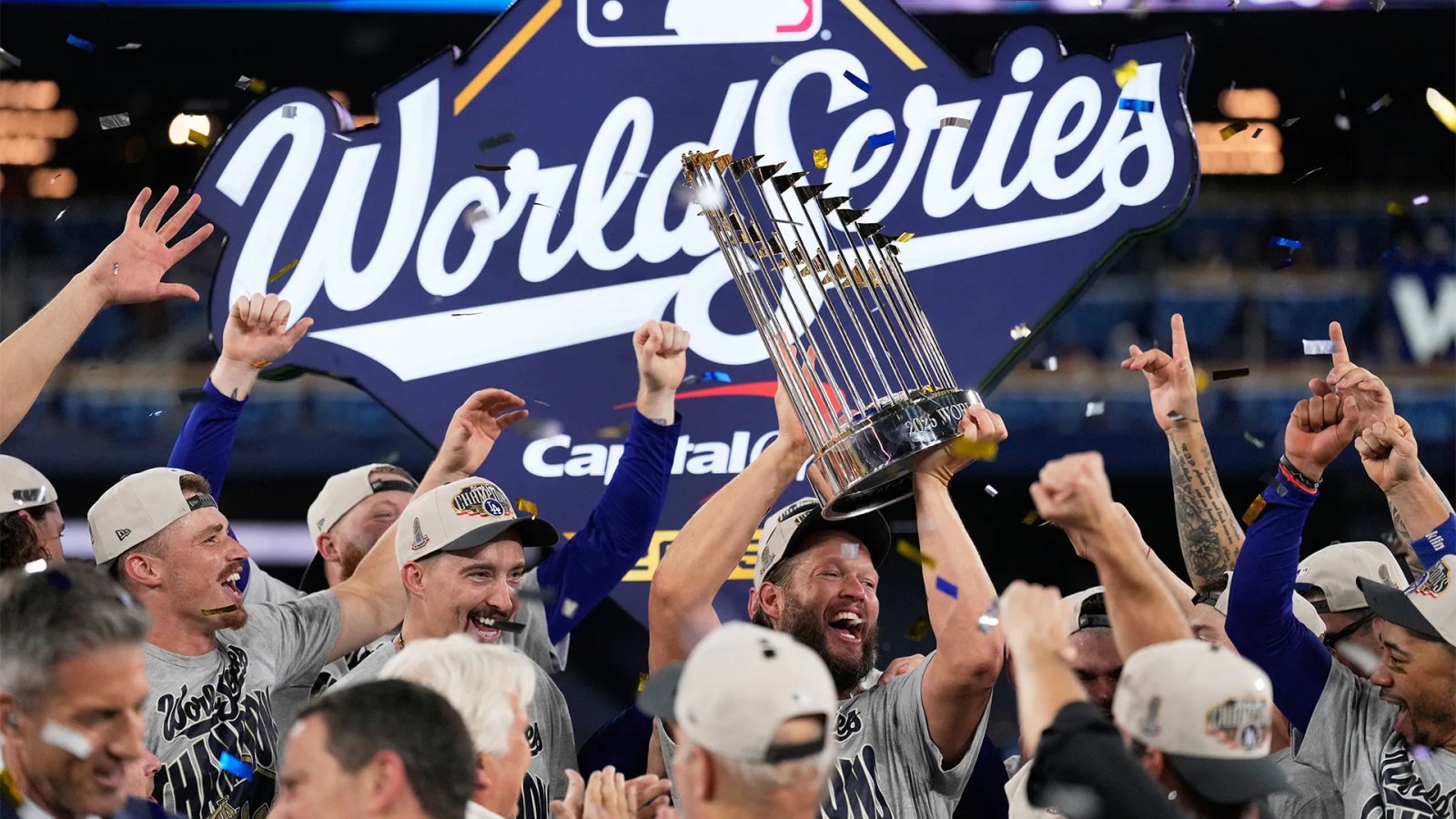
Historic World Series Win: The Los Angeles Dodgers clinched the World Series title in a dramatic Game 7 against the Toronto Blue Jays, highlighting their elite status while igniting discussions about MLB’s payroll disparities.
-
Shohei Ohtani’s Impact: Ohtani’s exceptional two-way performances are positioning him as potentially the greatest player ever, attracting international fans and elevating baseball’s global profile.
-
Labor Negotiations Looming: MLB faces contentious labor negotiations as player payroll disparities widen, with owners pushing for a salary cap amid player resistance, reminiscent of past strikes.
-
Innovations Ahead: Starting next season, MLB will implement an Automated Ball/Strike System, enhancing officiating accuracy and incorporating technology into the game.
The Future of Competitive Balance
The Los Angeles Dodgers’ recent $500 million World Series victory not only showcased their dominance but also highlighted Major League Baseball’s payroll disparities. As high-spending teams like the Dodgers and New York Mets thrive, franchises with lower budgets struggle to compete. This disparity raises concerns as labor negotiations loom. Players’ associations are diligently preparing to resist owners’ calls for a salary cap. Such proposals historically led to significant strikes and a deep rift in the league. Therefore, balancing team expenditures is crucial to maintain competitive fairness.
Transitioning into the upcoming offseason, we must examine the potential influence of international players. With Shohei Ohtani capturing global attention, MLB may see an influx from Japan. Players like Munetaka Murakami and Kazuma Okamoto could significantly impact the league. This influx not only elevates competition but also resonates with fans worldwide, enhancing the sport’s global appeal. Thus, while labor negotiations are critical, fostering diversity on the field will play an equally vital role in shaping MLB’s future.
Embracing Technological Advancements
The integration of an Automated Ball/Strike System marks a significant shift in baseball. Starting next season, human umpires will no longer make all ball and strike calls, paving the way for a tech-driven framework. This change will likely reduce human error and create a more precise game. However, it also raises questions about maintaining the sport’s traditional aspects. Fans may feel ambivalent about technology replacing human judgment.
Moreover, the embrace of technology in MLB can extend beyond officiating. The potential for enhanced analytics, fan engagement, and player performance metrics is substantial. As teams increasingly rely on data, the integration of tech will redefine coaching strategies and game preparation. Ultimately, MLB stands at a crossroads where embracing innovation can help address its challenges while fostering a new era of baseball enjoyment. By finding the right balance between tradition and technology, the league can enhance its accessibility and appeal to a broader audience.
Expand Your Tech Knowledge
Dive deeper into the world of Cryptocurrency and its impact on global finance.
Discover archived knowledge and digital history on the Internet Archive.
TechV1
