

Fast Facts
-
Ecosystem Threats: A new study highlights that waste from deep-sea mining threatens marine life in the biologically rich Clarion-Clipperton Zone, potentially affecting 53% of zooplankton and 60% of micronekton.
-
Nutritional Quality Decline: Sediment discharge from mining introduces less nutritious “junk food” particles, diminishing food quality for vital marine organisms and disrupting the ocean’s food web.
-
Regulatory Gaps: The study emphasizes a significant lack of international regulations governing mining waste disposal, highlighting the need for protective measures to prevent ecosystem degradation.
-
Global Implications: With increasing demand for minerals, the research warns that unchecked deep-sea mining could lead to long-lasting alterations in ocean ecosystems, affecting not only marine life but also global fisheries.
The Dangers of Deep-Sea Mining
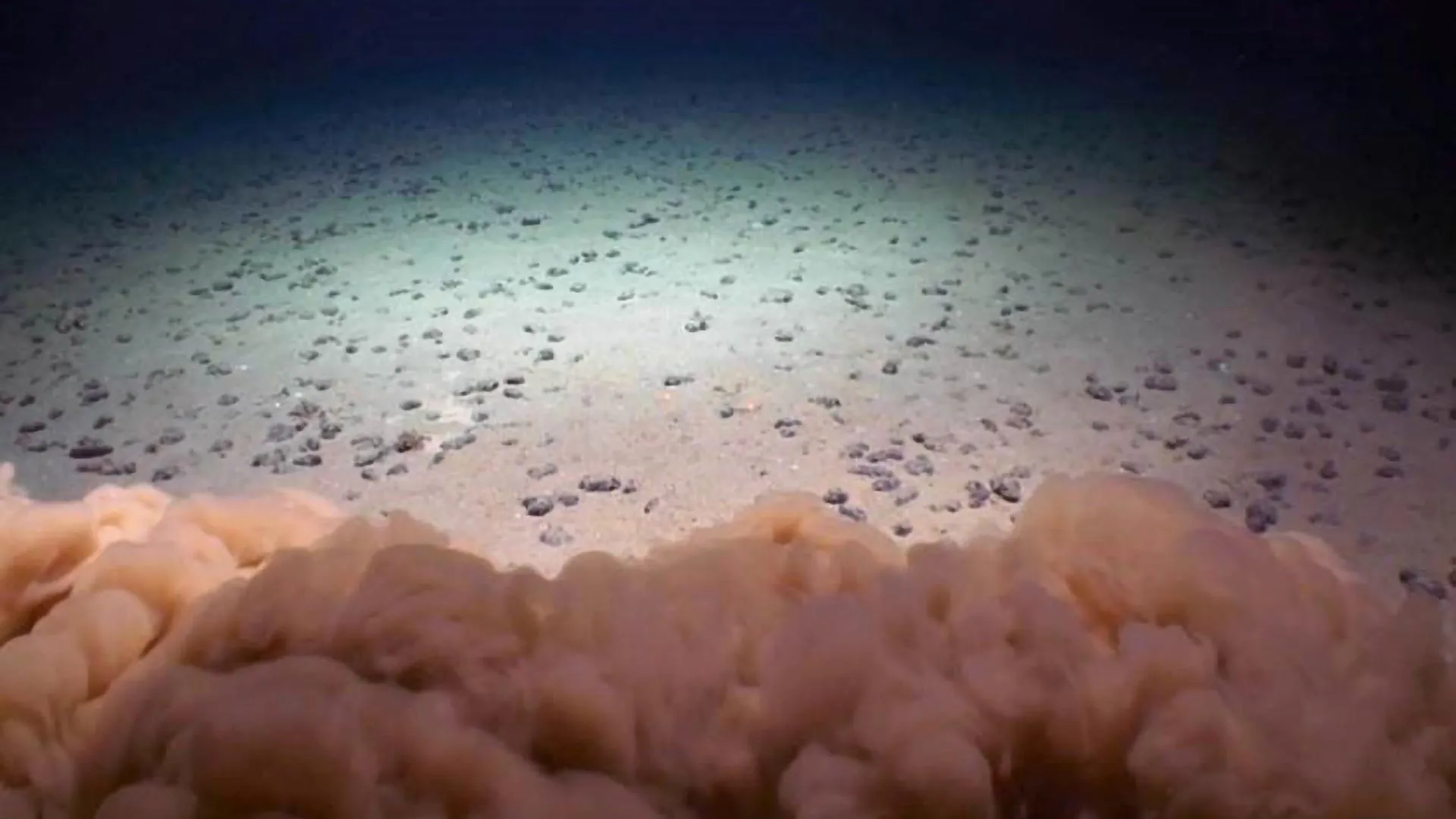
Deep-sea mining threatens vital ecosystems in the Pacific Ocean’s Clarion-Clipperton Zone (CCZ). Waste from mining operations creates sediment plumes that disrupt life in the “twilight zone,” a key habitat between 200 and 1,500 meters below the surface. This area pulses with life, harboring zooplankton, the foundation of the ocean’s food web. Research indicates that 53% of these tiny creatures and 60% of their predators, micronekton, face risks from the waste. As these organisms struggle to survive, larger marine animals, like fish and seabirds, may encounter food shortages. Consequently, mining threatens to upset the balance of an ecosystem that depends on intricate relationships.
Moreover, the nutritional quality of organic particles decreases when mining waste displaces natural food sources. Instead of providing essential amino acids, the sediment releases “junk food” that lacks the nutrients required by marine life. This disruption can reverberate through the food chain. When key species falter, the consequences will extend beyond the twilight zone, potentially impacting commercial fisheries and global seafood supplies. As industrial interest in this rich region grows, the need for responsible regulation becomes urgent.
Shaping Policy for a Sustainable Future
The findings from recent research highlight the pressing need for international guidelines on deep-sea mining. Currently, no global rules exist to govern where or how mining waste should be discharged. Policymakers must address these gaps to protect marine ecosystems. The twilight zone plays an important role in carbon cycling; disturbances in this area could affect its ability to support life. Furthermore, maintaining the health of marine food webs is crucial not just for oceanic life but also for human societies that rely on them.
As the industry edges closer to commercial mining, now is the time to make informed decisions. By prioritizing scientific understanding and environmental impact assessments, stakeholders can navigate this complex issue responsibly. The future of the deep sea hangs in the balance. To ensure a sustainable marine ecosystem, careful consideration of mining practices is essential. Now is the moment to act before the consequences become irreversible.
Discover More Technology Insights
Stay informed on the revolutionary breakthroughs in Quantum Computing research.
Discover archived knowledge and digital history on the Internet Archive.
TechV1
