

Top Highlights
-
Major Ice Retreat Discovery: A new study reveals the East Antarctic Ice Sheet retreated significantly about 9,000 years ago, driven by feedback between melting ice and warm ocean currents.
-
Cascading Positive Feedback: The research indicates that melting in one Antarctic region can accelerate ice loss in others through oceanic connections, highlighting the instability of Antarctic ice sheets.
-
Importance for Future Predictions: Understanding past ice responses to warming helps predict future behavior under climate change, with implications for global sea-level rise.
-
Collaborative Effort: The study involved over 30 institutions globally, combining various research methods to enhance predictions about Antarctic ice dynamics, stressing the interconnectedness of regional climate effects.
Understanding the Ice Retreat
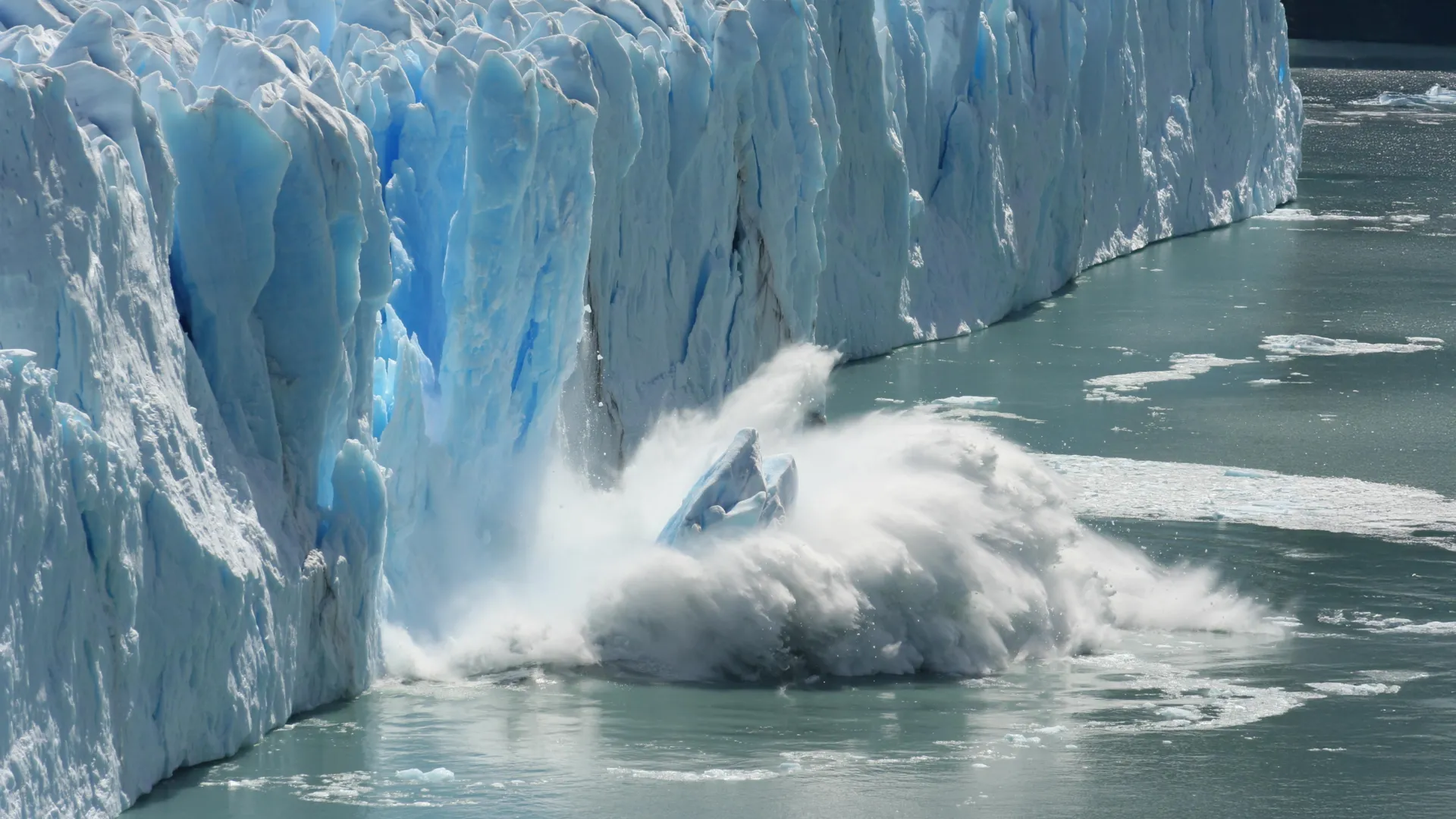
Recent research reveals a troubling historical truth: the East Antarctic Ice Sheet (EAIS) is not as stable as we once believed. About 9,000 years ago, a critical event triggered a major ice retreat linked to melting ice and ocean currents. The study, led by a team of scientists, shows that warm deep ocean water invaded coastal East Antarctica. This warm water caused ice shelves to collapse, leading to accelerated ice loss inland. Such a cascading positive feedback mechanism indicates that ice retreat is not localized. Instead, a melting iceberg in one area can intensify loss across the continent. This interconnected system matters greatly for our understanding of global sea levels today.
To piece together this ancient ice loss, researchers analyzed marine sediment cores from a specific bay. These cores revealed the past stability and fluctuations of ice sheets under changing climate conditions. Such findings serve as a crucial reminder: the East Antarctic Ice Sheet, which holds half of Earth’s freshwater, faces threats under current climate challenges. The cycle observed in the past provides lessons that resonate today. If similar conditions arise, we might see rapid ice loss echoing the ancient past, raising alarm bells about future sea-level rise.
A Call for International Action
This research underscores the importance of global collaboration in tackling climate change. More than 30 institutions from various countries participated in this extensive study. Their combined effort included field surveys and advanced modeling techniques, shedding light on the complicated interplay between ice sheets and ocean behavior. These scientific endeavors foster a deeper understanding of potential future scenarios regarding Antarctica’s ice and global sea levels.
The findings stress that small regional changes might have worldwide consequences. As scientists continue to observe melting in areas like the West Antarctic Ice Sheet, the urgency to act becomes clearer. Acknowledging the threats posed by cascading feedback loops offers a pathway toward better climate predictions. With collective action, there is still hope to mitigate impacts on our planet’s future. Understanding the past can guide our decisions today, shaping a more sustainable tomorrow.
Stay Ahead with the Latest Tech Trends
Learn how the Internet of Things (IoT) is transforming everyday life.
Explore past and present digital transformations on the Internet Archive.
TechV1
