

Quick Takeaways
-
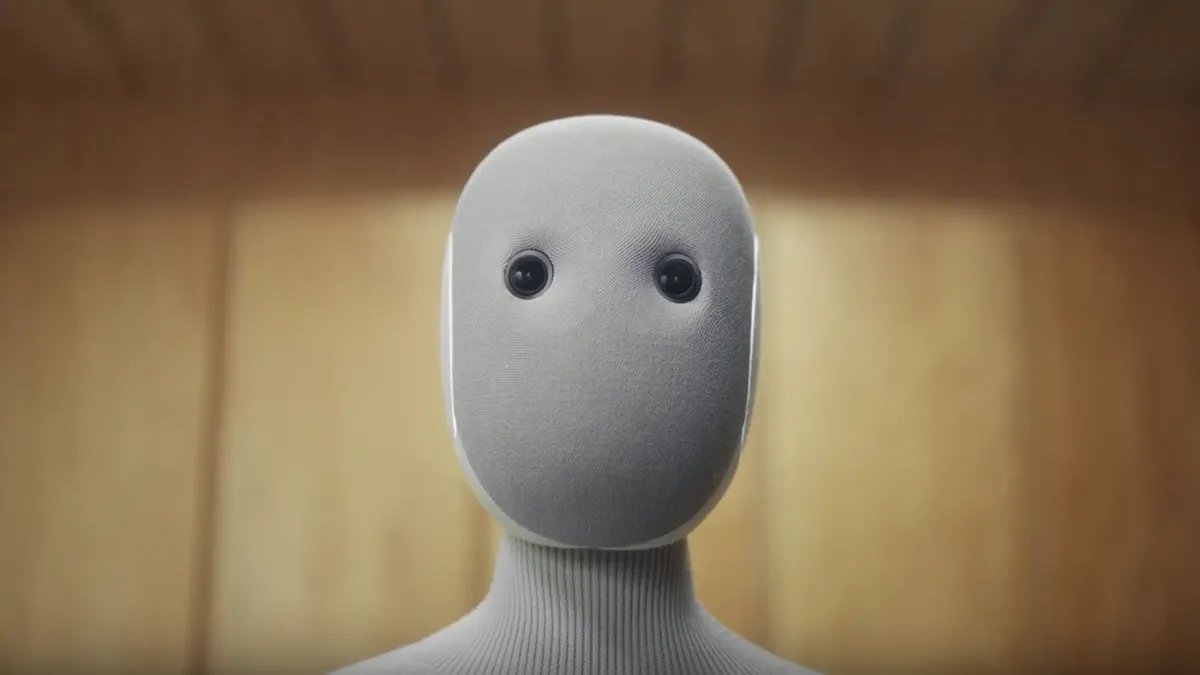
Introducing Neo: The 5’6″, golden retriever-weight humanoid robot Neo is priced at $20,000 and designed as a personal assistant for household chores like folding laundry, running a vacuum, and tidying up.
-
Preorder Opportunity: Potential buyers can secure their Neo with a $200 down payment, committing to become early adopters of what 1X claims is the first consumer-ready humanoid robot.
-
Functionality and Limitations: Currently, Neo requires remote operation for many tasks and is expected to achieve autonomous functionality by 2026, with concerns about its utility and privacy as it learns from user interactions.
-
Privacy Measures: While Neo has built-in learning capabilities, it guarantees user privacy through controlled listening, blurred human visuals, and restricted access to certain home areas, aiming to balance innovation with consumer trust.
Introducing Neo: The Home Robot of the Future
Meet Neo, a new humanoid robot designed to assist with everyday tasks. Standing at 5 feet 6 inches and weighing about as much as a golden retriever, Neo combines size and technology. With a price tag of $20,000, it’s comparable to a budget car. 1X, the California-based company behind Neo, promotes it as a “consumer-ready humanoid.” Unlike other robots, Neo offers support in a home setting rather than factory environments. However, potential owners must prepare for training and possible remote assistance. Preorders are live now, with an initial deposit of $200.
But what exactly can Neo do? This robot handles tasks like folding laundry, running vacuums, and even carrying groceries. Neo moves gracefully, thanks to its innovative tendon-driven motor system. It can lift 154 pounds and carry 55, all while operating quietly. The design is friendly, featuring soft materials that make it less intimidating. With a four-hour runtime and connectivity options like Wi-Fi and Bluetooth, managing household chores could soon become easier.
Understanding the Cost and Privacy Factors
Before investing in Neo, users must consider how useful the robot really is. Initial reports indicate that Neo often requires human operation through remote control. The promise of autonomy may not materialize until 2026, although early adopters will help shape its capabilities. In terms of privacy, owning Neo means allowing it to learn from your home environment. 1X emphasizes user control—Neo can only listen when prompted, and you can limit its access to certain spaces.
The road ahead for Neo won’t be smooth, as concerns over privacy and reliability linger. Still, with advancements in technology, it’s exciting to contemplate the future of home robots. The first units are set to ship in 2026, with international availability promised for 2027. Neo might not yet rival the fictional Rosie from The Jetsons, but it represents a significant step toward smarter living.
Continue Your Tech Journey
Explore the future of technology with our detailed insights on Artificial Intelligence.
Learn more about cutting-edge innovations supported by the National Science Foundation (NSF).
IoTV1
