

Fast Facts
-
Discovery of TMA: An international research team identified trimethylamine (TMA), a gut microbe metabolite from dietary choline, as a potential countermeasure against insulin resistance and type 2 diabetes by interrupting key immune pathways.
-
Immune Response Insights: TMA’s function involves interaction with the IRAK4 protein, which, when overstimulated by high-fat diets, drives chronic inflammation and insulin resistance—demonstrating a new perspective on microbiome influence on health.
-
Therapeutic Potential: Targeting IRAK4 or enhancing TMA production presents promising opportunities for diabetes treatment, as this research establishes a link between gut microbiota, inflammation reduction, and metabolic health.
-
Global Health Implications: With diabetes affecting over 500 million people worldwide, the study highlights how dietary choices shape gut microbes, reinforcing the impact of nutrition on metabolic health and suggesting new approaches for managing insulin resistance.
Discovering the Power of Gut Molecules
Recent research has unveiled an unexpected ally in the fight against type 2 diabetes. Scientists have identified trimethylamine (TMA), a molecule produced by gut microbes, as a crucial player in controlling insulin resistance. This finding builds upon two decades of investigation into the connection between diet, gut health, and metabolic disorders. Initially met with skepticism, this idea has evolved into a widely accepted scientific understanding.
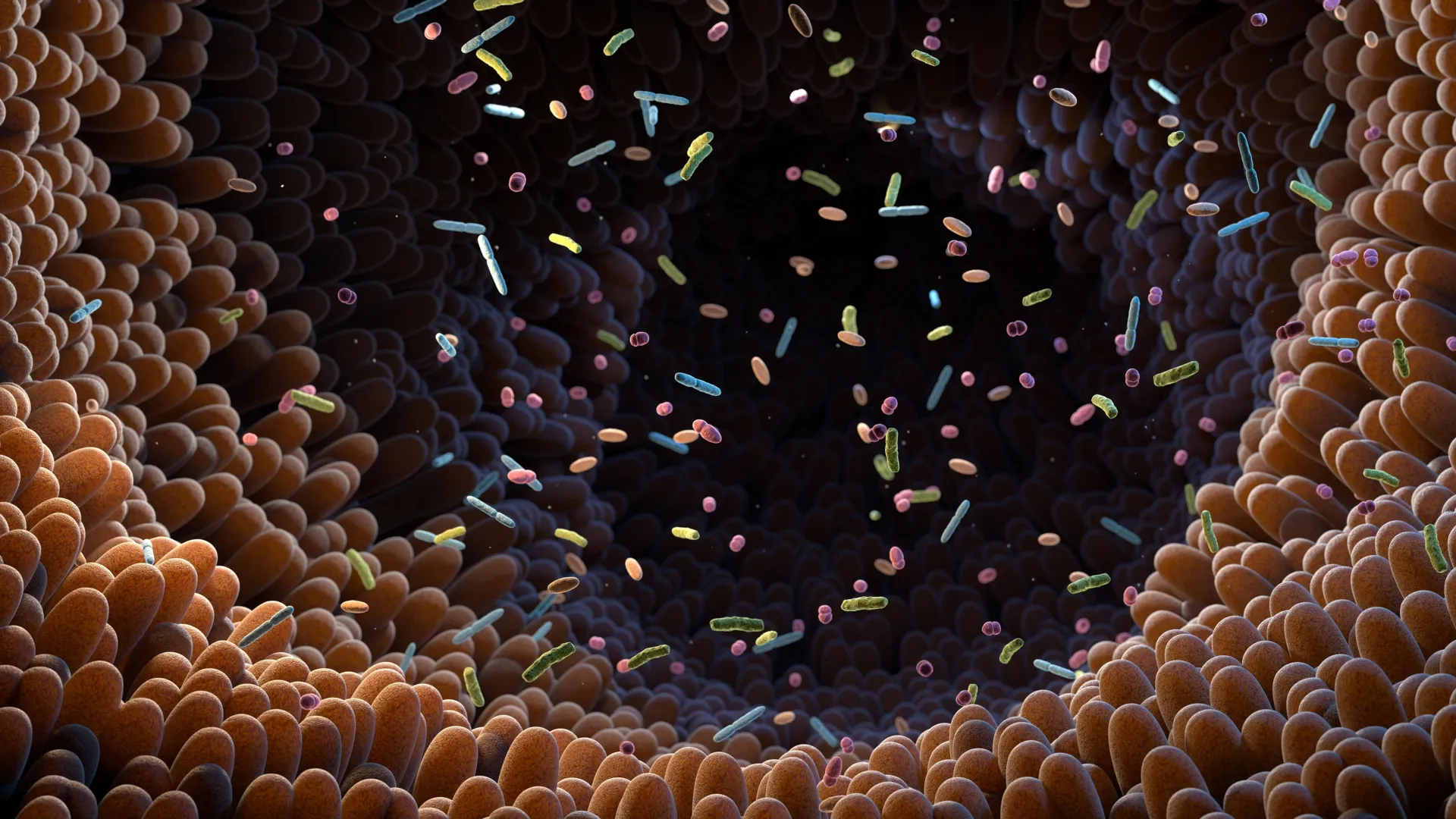
TMA forms from dietary choline, primarily found in various foods. The research reveals that TMA can interact with a protein called IRAK4, which regulates immune activity. In a high-fat diet context, IRAK4 triggers inflammation that leads to insulin resistance. However, TMA reduces IRAK4’s activity, countering this inflammatory response. This process not only promotes healthier blood sugar levels but also shows remarkable potential in protecting against severe inflammatory issues like sepsis.
Paving New Paths in Diabetes Treatment
The implications of this discovery extend far beyond academic interest. With over 500 million people living with diabetes globally, the potential for TMA to be leveraged as a therapeutic tool is substantial. Enhancing TMA production through dietary changes or medication could lead to breakthroughs in diabetes management. Experts emphasize the importance of nutrition, showing that what we eat shapes our gut microbes in ways that can actively protect our health.
This collective research effort brings together scientists from various disciplines and countries, highlighting the global nature of the challenge we face. The work underscores a hopeful narrative about how improving our diet can lead to healthier choices, reconciling our lifestyles with our well-being. As we explore new therapeutic possibilities, the relationship between our food, our gut microbes, and our overall health becomes increasingly vital.
Discover More Technology Insights
Dive deeper into the world of Cryptocurrency and its impact on global finance.
Access comprehensive resources on technology by visiting Wikipedia.
TechV1
