

Top Highlights
-
James Cameron’s Sci-Fi Mastery: The article ranks Cameron’s iconic sci-fi films, showcasing his ability to craft visually stunning and deeply engaging narratives across nearly five decades.
-
Key Films Highlighted: The list emphasizes significant titles including The Abyss, Avatar, and the Terminator series, illustrating Cameron’s evolution and excellence in the genre.
-
Breakthrough and Legacy: The Terminator is recognized as Cameron’s first major success, setting the stage for his future achievements, while Aliens is celebrated as the pinnacle of his directorial prowess.
-
Continued Innovation: With the recent release of Avatar: Fire and Ash, Cameron’s commitment to expanding his universe and pushing visual boundaries further cements his legacy in modern cinema.
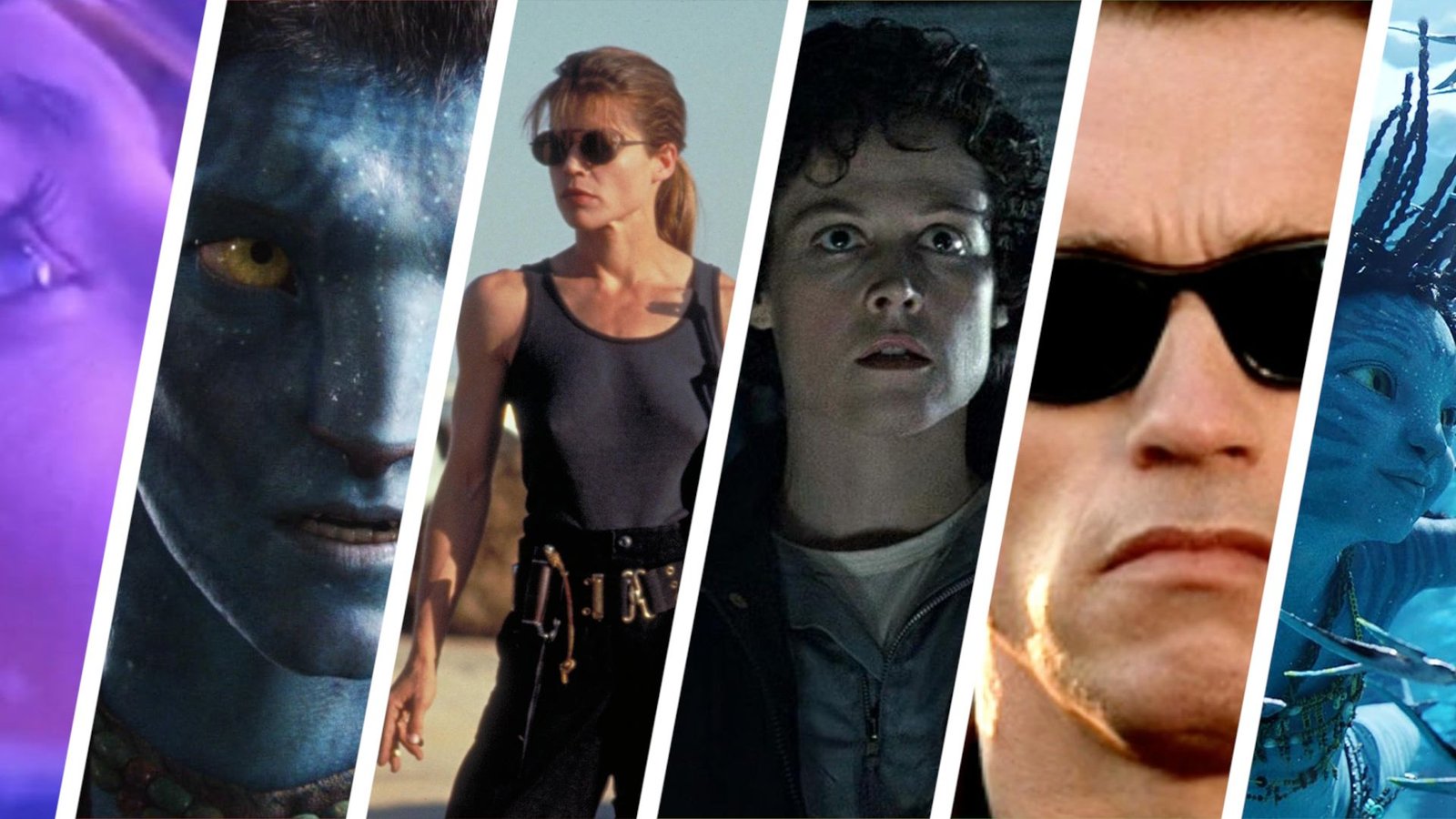
As “Avatar: Fire and Ash” hits theaters worldwide, it’s time to explore James Cameron’s impact on science fiction films, ranking his works from worst to best. Cameron, known for his visual effects mastery and immersive storytelling, has created notable films that push the boundaries of technology and imagination.
-
The Abyss
Released on August 9, 1989, “The Abyss” dives into the depths of the ocean, where aliens lurk. Ed Harris and Mary Elizabeth Mastrantonio star as a couple embroiled in a rescue mission. While it didn’t achieve instant success, it later gained a cult following. Its Oscar-winning visual effects showcased Cameron’s ability to create tension and complex relationships, highlighting humanity’s struggle against the unknown. -
Avatar: The Way of Water
Thirteen years after the original, “Avatar: The Way of Water” premiered on December 16, 2022. It follows Jake Sully and Neytiri as they navigate challenges to their family. Cameron builds a rich world powered by stunning visuals and gripping storytelling. This film demonstrates advancements in motion capture technology, allowing audiences to connect emotionally with 3D characters. -
The Terminator
Debuting on October 26, 1984, “The Terminator” introduced the world to a time-traveling cyborg. Arnold Schwarzenegger’s iconic role sparked discussions about artificial intelligence and fate. The film marked Cameron’s rise in Hollywood, blending innovative effects with a compelling narrative. It posits questions about technology’s role in society and our connection to the future. -
Avatar
Released on December 18, 2009, “Avatar” became a cinematic landmark. Utilizing groundbreaking 3D technology, it transports viewers to Pandora, a lush alien world. The story resonates with themes of environmentalism and cultural respect. Its box office success reflects how technology can create immersive experiences, shaping public discourse around conservation. -
Terminator 2: Judgment Day
On July 3, 1991, “Terminator 2” emerged as a defining sequel. It elevated the original’s narrative and special effects, showcasing a deeper emotional connection through the character of John Connor. Cameron’s mastery of pacing and tension culminated in a film that redefined action genres and raised ethical questions about AI and humanity’s future. -
Aliens
“Aliens,” released on July 18, 1986, stands as Cameron’s crown jewel. It transforms the horror of the original into a thrilling, action-packed narrative. Sigourney Weaver’s Ellen Ripley becomes a formidable icon, breaking gender stereotypes in sci-fi. The film’s world-building and advanced effects illustrate how technology can enhance storytelling, leaving an indelible mark on the genre.
James Cameron’s films not only entertain but also inspire ongoing discussions about technology and its implications for society. As the filmmaker continues to explore new frontiers, audiences eagerly await how these narratives will shape our understanding of the future.
Discover More Technology Insights
Learn how the Internet of Things (IoT) is transforming everyday life.
Access comprehensive resources on technology by visiting Wikipedia.
SciV1
