

Summary Points
-
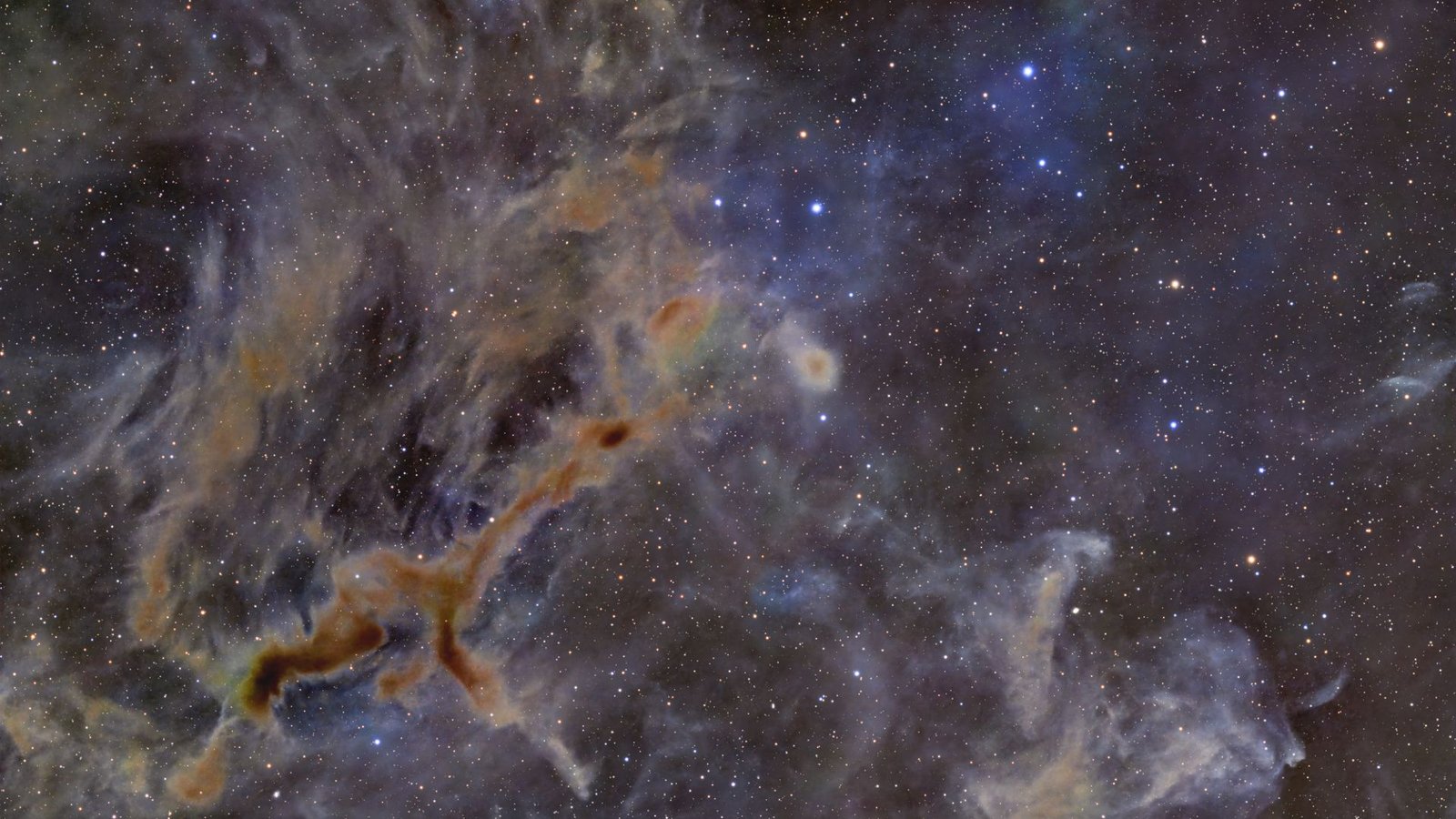
Evocative Imagery: Astrophotographer Greg Meyer has captured a striking image of dark nebula LDN 1245, resembling a “cosmic giraffe” in interstellar space, located in the constellation Cassiopeia.
-
Nebula Characteristics: The nebula is a dense collection of interstellar dust that absorbs and scatters starlight, creating dramatic silhouettes against the backdrop of the Milky Way.
-
Imaging Technique: Meyer dedicated 25 hours to capture LDN 1245 using a Sky Watcher Esprit 120mm telescope and specialized filters, employing advanced post-processing techniques to enhance the final image.
-
Accessibility for Enthusiasts: The article encourages aspiring astrophotographers to explore the best cameras and telescopes available, and invites readers to share their own astrophotography with Space.com.
Giraffe in Space? Eerie Dark Nebula Takes on Uncanny Shape
Astrophotographer Greg Meyer recently unveiled a stunning image of a dark nebula that resembles a galloping giraffe amid a backdrop of stars. This nebula, known as LDN 1245, lurks within the constellation Cassiopeia. Its intricate, smoke-like appearance showcases the beauty of interstellar dust capturing the universe’s wonders.
As we gaze into these celestial depths, dense knots of material absorb and scatter starlight. Consequently, LDN 1245 obscures distant stars, creating dramatic silhouettes against the cosmos. For many in the astrophotography community, the nebula’s unique shape led to its nickname, the “Giraffe Nebula.”
Additionally, the image reveals the giraffe’s head reaching toward a cluster of blue-white stars. This striking visual inspires curiosity about the universe’s formation and the processes that shape it.
Meyer faced challenges when capturing this elusive nebula. Dark nebulas emit little light, making them difficult subjects for imaging. He worked over 25 hours from the Starfront Observatory in Rockwood, Texas, between October 2025 and January 2026. Using a specialized telescope and camera, he meticulously processed the data to showcase the nebula’s details.
Furthermore, Meyer explained that the edges of the scene feature faint reflection nebulosity. Here, dust scatters light from nearby stars, creating a gentle blue tint that adds to the image’s allure.
This kind of astrophotography improves our understanding of the universe. It also highlights advancements in imaging technology. Enthusiasts can now explore the night sky in unprecedented detail, fostering a deeper appreciation for the cosmos.
For those intrigued by astrophotography, options abound. Several cameras and telescopes are available to assist aspiring astrophotographers in capturing their own stunning images of the night sky. The advancement of technology in this field opens new avenues for exploration, allowing individuals to connect more profoundly with the wonders of space.
Whether it’s gazing at a nebula or contemplating the vastness of the universe, these images remind us of the beauty that exists beyond our planet.
Discover More Technology Insights
Dive deeper into the world of Cryptocurrency and its impact on global finance.
Access comprehensive resources on technology by visiting Wikipedia.
SciV1
