

Summary Points
-
Discovery of Exercise Sensor: Researchers at HKUMed identified the protein Piezo1 as a crucial “exercise sensor” that enables bones to respond positively to physical activity, influencing bone strength and formation.
-
Impact on Osteoporosis: This finding holds potential for new treatments for osteoporosis and bone loss, especially for individuals unable to exercise, such as the elderly and those with chronic illnesses.
-
Mechanism Explained: The study reveals how Piezo1 activation during movement prevents fat accumulation in bone marrow and promotes healthy bone tissue, while its absence accelerates bone loss and inflammation.
-
Future Treatment Strategies: Researchers aim to develop “exercise mimetics”—drugs that activate Piezo1—to replicate exercise benefits, providing hope for improving bone health and reducing fracture risks in vulnerable populations.
The Breakthrough in Bone Health
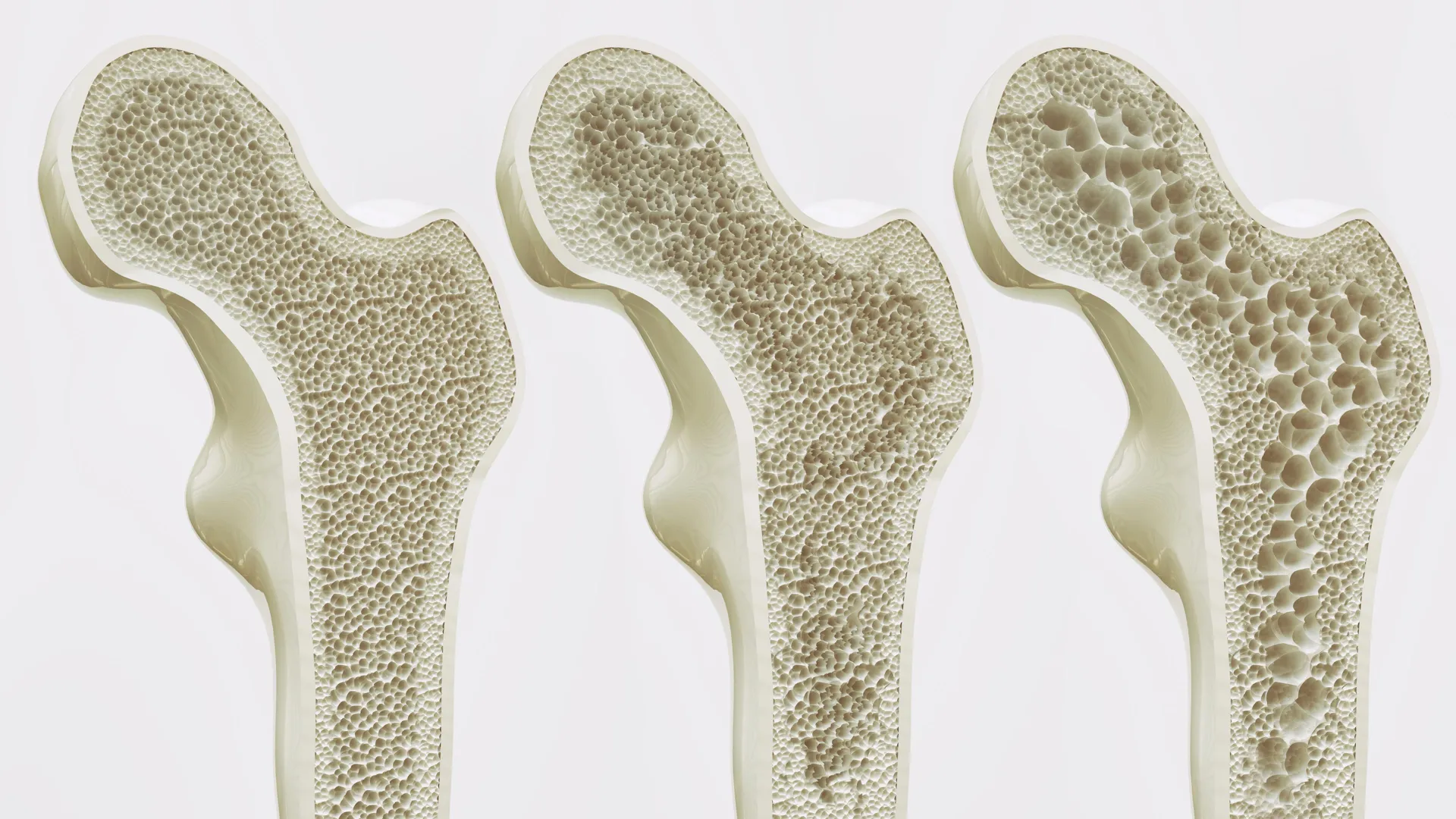
Recent research from the University of Hong Kong has unveiled an exciting biological process that could revolutionize bone health. Scientists discovered a specific protein called Piezo1 that acts as the body’s internal “exercise sensor.” This protein helps bones respond to the stresses of physical activity. Understanding how Piezo1 functions opens new avenues for treatment. Specifically, it could lead to medications that mimic the benefits of exercise for individuals unable to move due to age, injury, or chronic illness. This discovery is particularly vital for the millions who suffer from osteoporosis and related conditions, which can lead to fractures and loss of independence—issues that aging populations face globally.
By activating the Piezo1 pathway, researchers can potentially trick the body into experiencing the benefits of exercise without actual movement. This breakthrough offers hope to older adults and bedridden patients at high risk of fractures. Current treatments vary in effectiveness, as they rely heavily on physical activity, which many patients simply cannot perform. This discovery could mark a significant shift in how we approach bone health and osteoporosis treatment.
Implications for Future Treatments
The implications of this research reach far beyond academic interest. Scientists aim to develop “exercise mimetics”—drugs designed to chemically activate Piezo1, preserving bone mass and improving quality of life for those with limited mobility. This approach could substantially reduce healthcare burdens brought on by fractures, which can lead to long-term complications and increased healthcare costs.
Furthermore, the broader potential of these findings inspires optimism. If researchers succeed in translating these discoveries into effective treatments, they could offer biological benefits similar to those gained through physical activity, ultimately enhancing the lives of millions. The focus now shifts to clinical applications. The fight against osteoporosis may soon take a new direction—one that focuses on empowering those who cannot move, rather than relying solely on traditional therapies. The future of bone health looks promising, and with continued research, we could see real change on the horizon.
Expand Your Tech Knowledge
Dive deeper into the world of Cryptocurrency and its impact on global finance.
Discover archived knowledge and digital history on the Internet Archive.
TechV1
