
Close Menu
    Facebook X (Twitter) Instagram
    Wednesday, May 13
    Top Stories:
    • Visionaries Unite in $4 Billion Quest for Self-Improving A.I.
    • Revitalizing Time: Scientists Rejuvenate Old Blood Stem Cells
    • Unlocking Nature’s Secret: A Breakthrough in Cancer-Fighting Plant Compounds
    Facebook X (Twitter) Instagram Pinterest Vimeo
    IO Tribune
    • Home
    • AI
    • Tech
      • Gadgets
      • Fashion Tech
    • Crypto
    • Smart Cities
      • IOT
    • Science
      • Space
      • Quantum
    • OPED
    IO Tribune
    Home » NASA’s Leap into the Future of Hypersonic Flight
    Space

    NASA’s Leap into the Future of Hypersonic Flight

    Staff ReporterBy Staff ReporterFebruary 1, 2026No Comments3 Mins Read
    Share Facebook Twitter Pinterest LinkedIn Tumblr Reddit Telegram Email
    Share
    Facebook Twitter LinkedIn Pinterest Email

    Essential Insights

    1. NASA’s Hypersonic Future: The agency is exploring vehicles capable of hypersonic flight (five times the speed of sound) through its Hypersonic Technology Project, aiming for reusable airbreathing aircraft.

    2. Contract Awards for Innovation: NASA awarded contracts to SpaceWorks Enterprises and Stratolaunch to study modifications for their existing vehicles, focusing on enhancing flight-testing capabilities.

    3. Public-Private Collaboration: These efforts aim to bridge the gap between hypersonic ground and flight tests, enabling a collaborative environment with the commercial hypersonics industry.

    4. Strategic Development Goals: The research supports the potential NASA Making Advancements in Commercial Hypersonics (MACH) project, targeting advancements in infrastructure, cost estimates, and required capabilities for future hypersonic vehicles.

    NASA Aims to Advance Hypersonic Flight Testing with New Awards

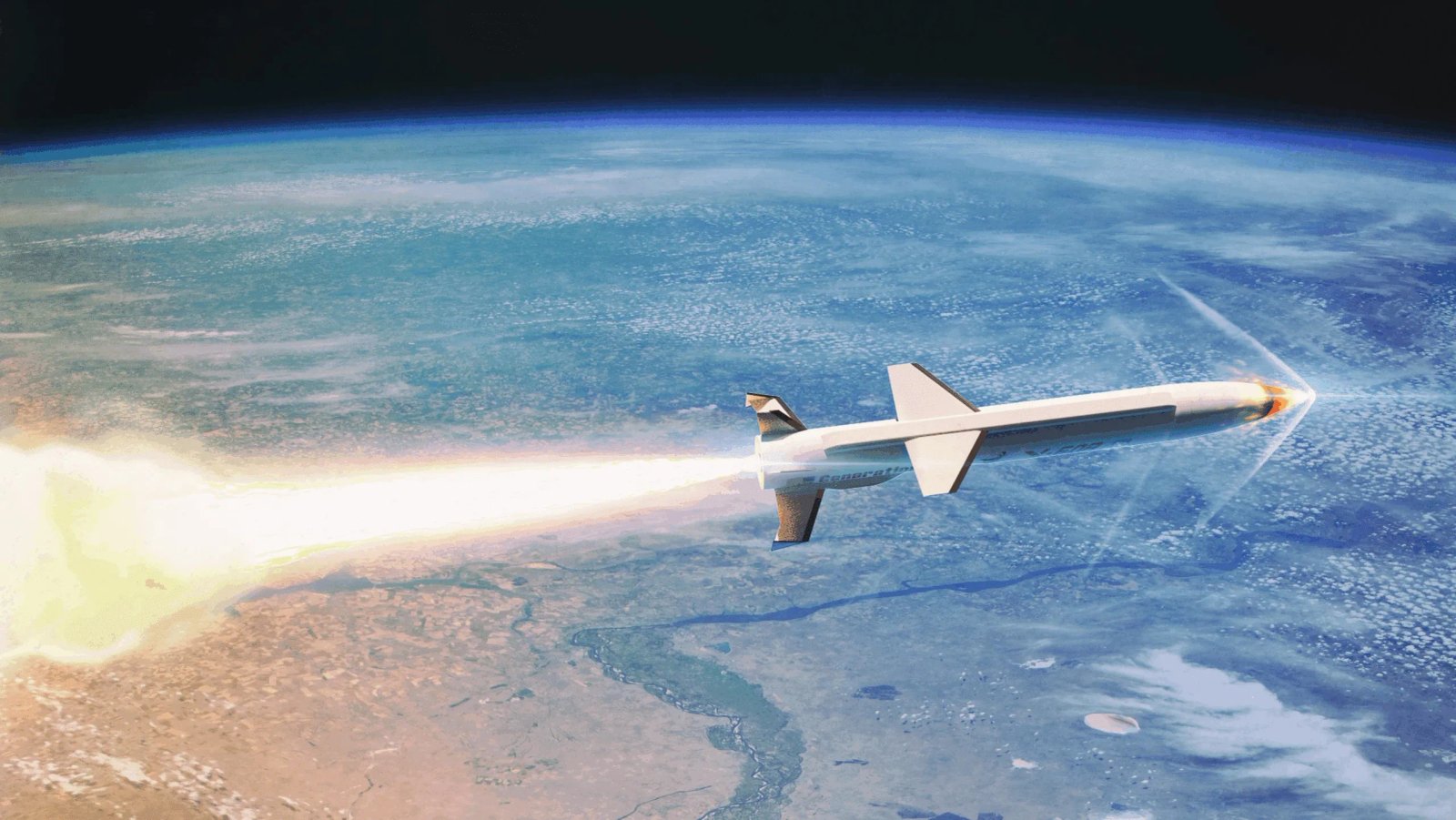
    NASA pushes boundaries in aviation as it explores the future of hypersonic flight. The agency recently issued two awards aimed at advancing technologies that enable vehicles to travel five times the speed of sound. This leap forward gives researchers and the commercial sector a solid foundation.

    While rockets achieve hypersonic speeds with onboard oxygen, NASA’s Hypersonic Technology Project focuses on “airbreathing” designs. These reusable aircraft draw in air during flight, allowing for sustained cruising at hypersonic speeds. Thus, this approach not only enhances efficiency but also offers longer operational ranges.

    In August, NASA awarded contracts to SpaceWorks Enterprises in Atlanta and Stratolaunch in Mojave, California. Each company will conduct a six-month study focused on modifying existing vehicles. SpaceWorks received $500,000 to work on the X-60 platform, while Stratolaunch got $1.2 million for its Talon-A platform.

    The goal is to develop affordable, reusable, high-cadence testing capabilities. By collaborating with industry, NASA aims to identify the necessary technologies for successful flight tests. Dr. Nateri Madavan, director of NASA’s Advanced Air Vehicles Program, emphasized the importance of these partnerships. They will address the challenges that come with routine hypersonic flight.

    Furthermore, this work could support NASA’s future Making Advancements in Commercial Hypersonics (MACH) project. This initiative aims to develop the infrastructure needed for commercial hypersonic vehicles, including cost estimates and scheduling.

    Through the Hypersonic Technology Project, NASA leads U.S. research in this exciting field. These advancements promise to revolutionize air travel, making faster flights a reality. Such innovations could enhance global connectivity and reshape the way we think about travel, improving the quality of life for people worldwide.

    Discover More Technology Insights

    Dive deeper into the world of Cryptocurrency and its impact on global finance.

    Discover archived knowledge and digital history on the Internet Archive.

    SciV1

    Advanced Air Vehicles Program Aeronautics Aeronautics Research Mission Directorate Cosmos Hypersonic Technology NASA Space Supersonic Flight VT1
    Share. Facebook Twitter Pinterest LinkedIn Tumblr Email
    Previous Article$20K Bitcoin Plunge Sparks Investor Panic
    Next Article Quantum Leap: How AI and Quantum Computers Will Change Our World
    Avatar photo
    Staff Reporter
    • Website

    John Marcelli is a staff writer for IO Tribune, with a passion for exploring and writing about the ever-evolving world of technology. From emerging trends to in-depth reviews of the latest gadgets, John stays at the forefront of innovation, delivering engaging content that informs and inspires readers. When he's not writing, he enjoys experimenting with new tech tools and diving into the digital landscape.

    Related Posts

    Tech

    Visionaries Unite in $4 Billion Quest for Self-Improving A.I.

    May 13, 2026
    Science

    Infant’s Eyes Change Color After COVID Treatment

    May 13, 2026
    AI

    Python Reproduction of Word Vectors for Sentiment Analysis

    May 13, 2026
    Add A Comment

    Comments are closed.

    Must Read

    Visionaries Unite in $4 Billion Quest for Self-Improving A.I.

    May 13, 2026

    Infant’s Eyes Change Color After COVID Treatment

    May 13, 2026

    Python Reproduction of Word Vectors for Sentiment Analysis

    May 13, 2026

    Samsung Announces Upcoming Wave of One UI 9 Beta

    May 13, 2026

    Chasing Shadows: 24 Hours of Birding Adventures with Teens

    May 13, 2026
    Categories
    • AI
    • Crypto
    • Fashion Tech
    • Gadgets
    • IOT
    • OPED
    • Quantum
    • Science
    • Smart Cities
    • Space
    • Tech
    • Technology
    Most Popular

    Weekly Cardano (ADA) Price Outlook

    February 21, 2025

    Vital Minuscule: The Tiny Heroes of Earth’s Climate

    October 10, 2025

    SoftBank and AMD Team Up to Validate AMD Instinct GPUs

    February 18, 2026
    Our Picks

    Samsung’s Galaxy S25 Edge: Stunning Design, Stunning Price!

    March 17, 2025

    5 NSF Projects Revolutionizing Plastic Waste Research

    February 24, 2025

    Unlocking the Red Planet: Ancient Magnetic Field Mystery Revealed

    April 23, 2025
    Categories
    • AI
    • Crypto
    • Fashion Tech
    • Gadgets
    • IOT
    • OPED
    • Quantum
    • Science
    • Smart Cities
    • Space
    • Tech
    • Technology
    • Privacy Policy
    • Disclaimer
    • Terms and Conditions
    • About Us
    • Contact us
    Copyright © 2025 Iotribune.comAll Rights Reserved.

    Type above and press Enter to search. Press Esc to cancel.