

Top Highlights
-
Artemis Preparation: NASA utilizes its Armstrong Flight Research Center to enhance safety and reliability for the Artemis missions, notably through advanced flight-testing and technology programs critical for lunar and Mars exploration.
-
Heat Shield Data Collection: Modifications to a Gulfstream G-III will enable NASA to gather vital thermal protection data during Orion’s reentry for Artemis II, directly supporting future crewed lunar and Martian missions.
-
Safety Systems Development: NASA Armstrong successfully tested an astronaut escape system, ensuring safety during emergencies, while contributing to advancements in launch abort system technologies for the Orion spacecraft.
-
Innovative Technologies: The Flight Opportunities program, managed by NASA Armstrong, accelerates testing of key technologies for future lunar and Mars missions, such as precision landing and optical communications, while fostering the U.S. commercial spaceflight industry.
NASA Armstrong Contributions Propel Artemis, Deep Space Innovation
NASA is making significant strides in deep space exploration, particularly through its Armstrong Flight Research Center in California. With ongoing teamwork across various centers, NASA enhances the Artemis campaign’s safety and efficiency.
As the Artemis II launch approach, Armstrong technicians have modified a Gulfstream G-III jet. This aircraft will collect vital heat shield data during Orion’s reentry. The flight plan includes a dress rehearsal over the Pacific Ocean to ensure system performance, according to Robert Navarro, project manager at Armstrong.
Moreover, Johnson Space Center technicians have installed specialized sensors and windows for the mission, collaborating closely with Armstrong experts. These efforts aim to improve astronaut safety by gathering essential shock layer radiation data during atmospheric entry.
NASA Armstrong’s capabilities extend beyond data collection. They also support the Orion heat shield spectrometer system, which bolsters safety for astronauts entering the atmosphere. Brad Flick, director of NASA Armstrong, emphasizes the relevance of their atmospheric flight research, stating that their work significantly impacts space missions.
The center also tested an emergency escape system for Artemis astronauts. Project manager Cathy Bahm highlighted the successful demonstration of the system, which proved effective for ensuring astronaut safety. Looking back, she sees her role in these achievements as a key contribution to future space exploration.
In addition, NASA Armstrong manages the Flight Opportunities program to mature technologies for NASA and commercial spaceflight applications. This program supports the testing of innovative technologies aboard commercial vehicles. For instance, it has advanced precision landing techniques crucial for future lunar missions, as pointed out by program manager Greg Peters.
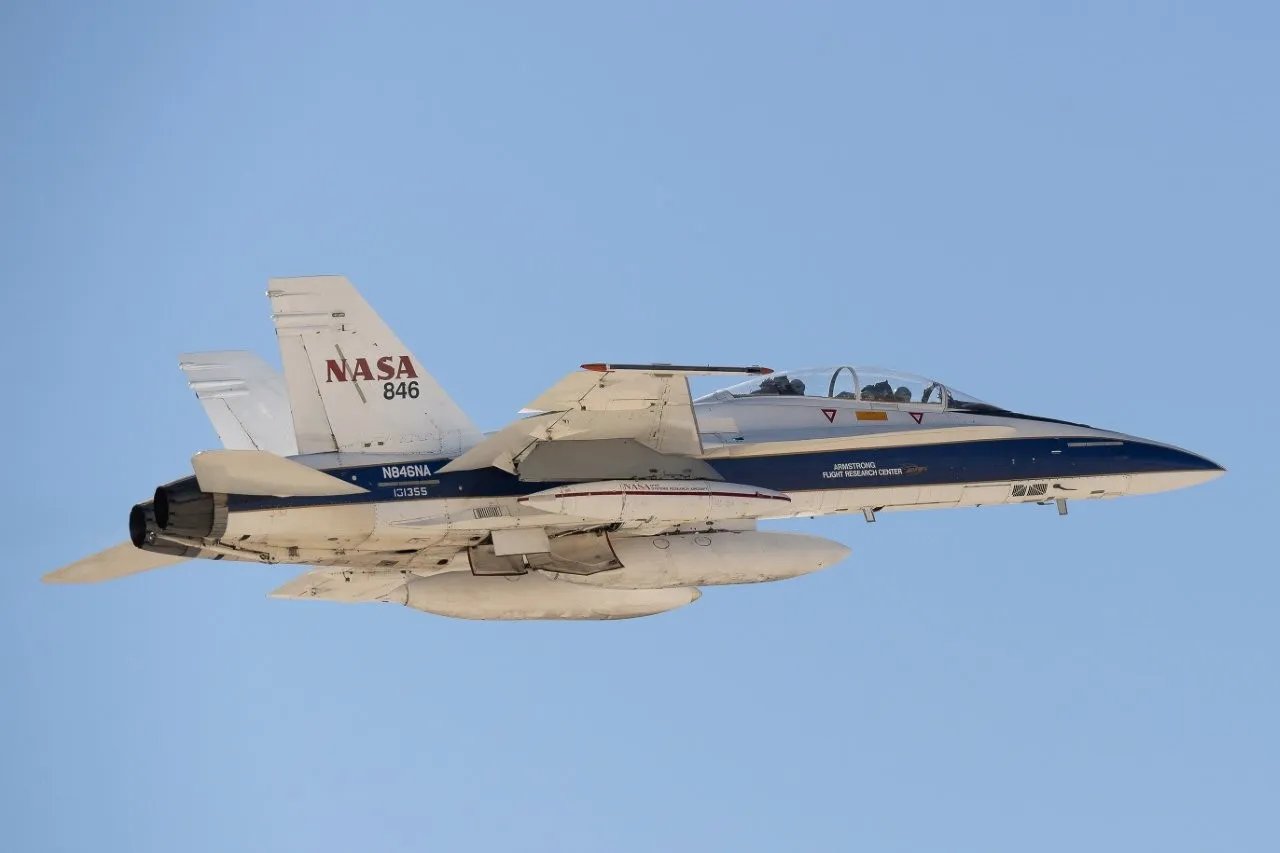
Armstrong’s testing also included a vibration isolation platform, assisting the Deep Space Optical Communications technology demonstration. This system enabled data transmission to the Psyche spacecraft from over 215 million miles away, potentially benefiting future Mars missions. Researchers also tested a Doppler Lidar system on an F/A-18, preparing for vital Moon and Mars missions.
Further innovations include CryoFOSS, a cryogenic system designed to liquefy oxygen on the lunar or Martian surface. This technology could allow missions to produce fuel on-site, considerably reducing launch weights and costs.
Through the Artemis campaign, NASA aims not only to return humans to the Moon but also to pave the way for future crewed missions to Mars. The cumulative advancements contribute not only to space exploration but also to economic benefits and scientific discovery on Earth.
Expand Your Tech Knowledge
Dive deeper into the world of Cryptocurrency and its impact on global finance.
Discover archived knowledge and digital history on the Internet Archive.
SciV1
