

Summary Points
-
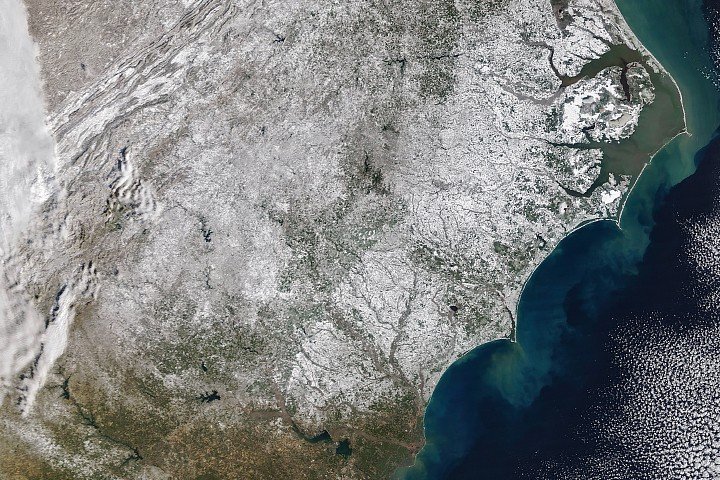
Historic Snowfall: A winter storm in late January 2026 blanketed North Carolina with measurable snow in all 100 counties for the first time in over a decade, marking a significant weather event.
-
Widespread Accumulations: Snow totals exceeded a foot in western mountainous regions and coastal areas, with Charlotte receiving nearly a foot—its heaviest snowfall since 2004—while Raleigh recorded 2.8 inches.
-
Severe Impacts: The storm created dangerous road conditions, causing numerous accidents and traffic snarls, while coastal winds and waves led to coastal flooding and property damage.
-
Unusual Weather Patterns: The storm’s intensity stemmed from lingering Arctic air combined with moisture from a low-pressure system, resulting in an unprecedented snowfall across the state.
A Winter Blanket Covers North Carolina
A powerful winter storm blanketed North Carolina in late January 2026. This storm, while significant, marked a rare event for the state. In fact, measurable snow fell in all 100 counties for the first time in over a decade.
NASA’s Terra satellite captured stunning images showing a continuous white cover from the mountains to the coast. Transitioning from warmer weather, Arctic air combined with moisture from a low-pressure system. This combination created ideal conditions for widespread snowfall.
Some western regions received over a foot of snow, revitalizing long-dormant winter activities for residents. Cities like Charlotte logged nearly a foot, the heaviest since 2004. Meanwhile, Raleigh recorded a lighter accumulation of 2.8 inches, reflecting the variability across the state.
Interestingly, coastal areas also transformed. Carteret County reported over a foot of snow, surprising many. Greenville, SC, saw about 5 inches, extending the storm’s reach southward.
However, the weather wasn’t just a dreamy winter wonderland. The heavy snow led to treacherous road conditions. Traffic snarled in several areas, causing delays and accidents. Coastal towns faced high winds and significant wave action, complicating recovery efforts. In Hatteras, some homes fell into the sea due to erosion.
Despite the chaos, snow events can inspire developments in technology. For instance, advancements in weather prediction help improve readiness for such storms. Improved satellite monitoring allows for better tracking of conditions. As communities adapt, innovative solutions can enhance quality of life during these extreme weather occurrences.
This storm serves as a reminder of nature’s unpredictability. North Carolinians, while facing challenges, also embrace the beauty of winter. The future may bring more snowfall, but with it comes resilience and a spirit of togetherness. Residents will remember this winter not just for the snow, but for the shared experiences that came with it.
Continue Your Tech Journey
Stay informed on the revolutionary breakthroughs in Quantum Computing research.
Stay inspired by the vast knowledge available on Wikipedia.
SciV1
