

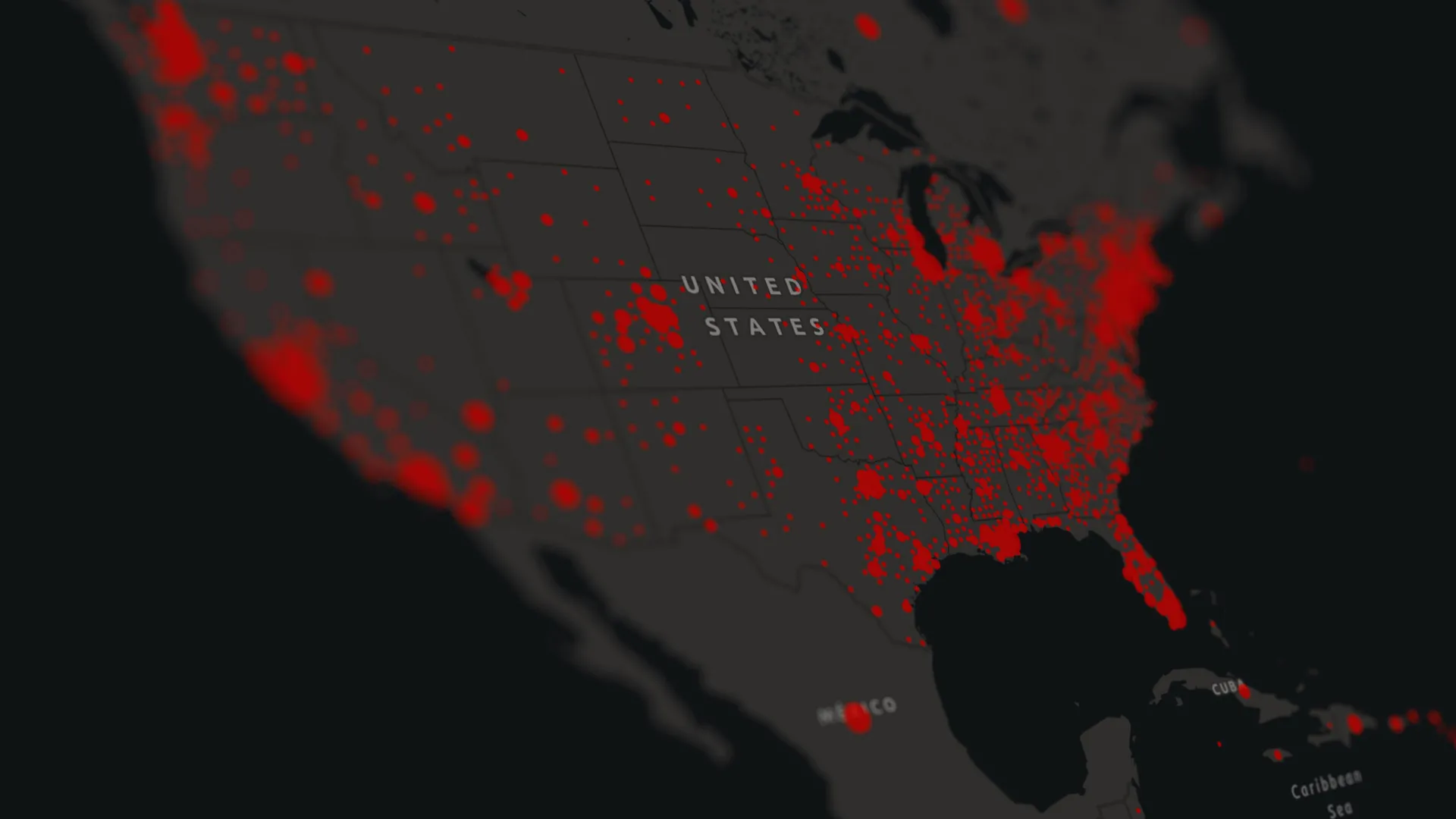
Top Highlights
-
Comparative Analysis: Researchers at Columbia University used advanced simulations to compare the spread of the 2009 H1N1 and 2020 COVID-19 pandemics across U.S. metropolitan areas, revealing critical insights into their rapid transmission patterns.
-
Impactful Outcomes: The 2009 H1N1 pandemic resulted in over 274,000 hospitalizations and nearly 12,500 deaths, whereas COVID-19 has led to an alarming 1.2 million confirmed deaths, emphasizing the severe public health implications of respiratory pandemics.
-
Transmission Insights: Both pandemics showcased fast and widespread circulation within weeks, primarily driven by air travel. This rapid expansion before early detection poses significant challenges for timely response efforts.
-
Wastewater Surveillance Support: The study advocates for expanded wastewater monitoring as a vital early warning system that could enhance pandemic preparedness and help mitigate the early spread of future outbreaks.
Modeling the Spread Across Cities
Recent research from public health scientists sheds light on the rapid spread of respiratory pandemics in urban settings. By utilizing advanced computer simulations, experts traced the paths of the 2009 H1N1 flu and the COVID-19 pandemics across over three hundred U.S. metropolitan areas. Their findings reveal a pressing reality: both viruses circulated widely within weeks, often before early detection or significant government interventions took place. Major metropolitan hubs, like New York and Atlanta, served as key transmission points. Air travel, rather than local commuting, significantly intensified this rapid spread. As a result, understanding these patterns becomes essential in preventing future outbreaks. This research emphasizes the need for timely responses, highlighting the unpredictability of virus transmission and the urgent importance of preparedness.
Wastewater Surveillance and Future Preparedness
The study also advocates for strengthened wastewater surveillance as an effective early warning mechanism. Previous work has indicated the utility of monitoring wastewater in spotting outbreaks before they spiral out of control. By enhancing this approach, public health officials could potentially slow the initial spread of new pandemics. Furthermore, the researchers developed a flexible framework that can apply to various infectious diseases, taking into account factors like population demographics, holidays, and even weather patterns. Understanding these complexities helps prepare for the unexpected twists of future outbreaks. As we learn from both H1N1 and COVID-19, evolving our strategies for monitoring and response is crucial in navigating the uncertain terrain of public health.
Stay Ahead with the Latest Tech Trends
Dive deeper into the world of Cryptocurrency and its impact on global finance.
Discover archived knowledge and digital history on the Internet Archive.
TechV1
