

Top Highlights
-
Record Snowfall: Northern Japan, particularly Hokkaido, is experiencing extreme weather with over 140 days of snowfall annually, accumulating nearly 6 meters (20 feet) each winter, yet winter 2026 saw intense storms disrupting transportation and causing fatalities.
-
Severe Impacts: Severe storms in January and February 2026 led to airport closures, blocked roadways, and deployed troops for emergency snow clearing, resulting in at least 35 deaths and numerous injuries across the region.
-
Declining Sea Ice: Long-term observations reveal a concerning 3.4% per decade decline in the Sea of Okhotsk’s winter sea ice since the 1970s, which could threaten the region’s marine ecosystems and future productivity.
-
Wider Disruptions: The harsh winter conditions have affected other parts of Japan as well, with significant snowfall leading to travel disruptions and early polling station closures during national elections in February 2026.
Winter Grips Japan: A New Challenge Amid Familiar Snow
Hokkaido, Japan, is renowned for its heavy snowfall and winter festivities. Each year, Sapporo, its largest city, hosts a famous snow festival. However, this winter, the mighty storms took the region by surprise.
Starting in January 2026, powerful snowstorms created chaos. Aomori, a city near Hokkaido, received over 2 meters (7 feet) of snow. As a result, authorities mobilized troops to assist in clearing snow from roofs and roadways. Many travelers faced delays as airports closed, roads became impassable, and train services halted. Sadly, the storms led to dozens of fatalities and numerous injuries, highlighting the severe impacts of extreme weather.
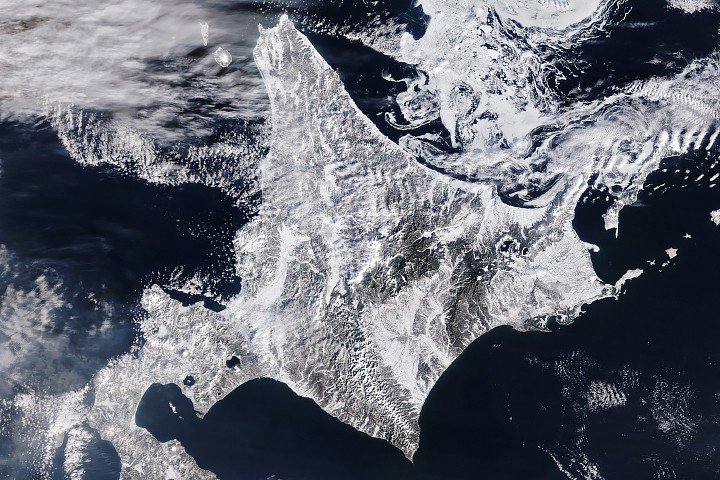
In early February, NASA’s Terra satellite captured the snow-covered landscape of Hokkaido. The image displayed large caldera lakes and lush forests, yet concealed beneath the serene beauty lay the harsh reality of winter. Notably, the Sea of Okhotsk, known for its sea ice, has seen a marked decline in ice levels over recent decades. Despite this season’s frosty temperatures, a recent analysis revealed a 3.4 percent decrease in winter sea ice each decade since the 1970s. Such changes pose challenges for local marine ecosystems, essential for abundant spring phytoplankton blooms.
Beyond Hokkaido, other regions in Japan also faced disruptions. In February, a storm affected western Japan, leading to travel interruptions and early station closures during national elections. These incidents emphasize the real-life consequences of severe weather events.
Despite these challenges, researchers and officials continue to study climate patterns and technological innovations. For instance, advancements in satellite imagery help monitor changes in sea ice, guiding efforts to protect marine life. Furthermore, communities work together, proving resilience amidst winter’s fury.
Japan’s winter may bring obstacles, but ongoing scientific research and collective action offer hope for better preparedness. Winter’s grip, while strong, reveals the pressing need for adaptive solutions and technological progress in understanding our changing world.
Continue Your Tech Journey
Stay informed on the revolutionary breakthroughs in Quantum Computing research.
Explore past and present digital transformations on the Internet Archive.
SciV1
