

Fast Facts
-
Nashville Robotaxi Plans: Waymo is set to launch its robotaxi service in Nashville by September 2025, aiming to offer public rides within the year.
-
Extensive Testing Required: The company conducts thorough testing in new cities, including mapping and software updates tailored to local driving conditions and regulations.
-
Safety Concerns: Waymo has faced multiple software recalls due to vehicle malfunctions when encountering road hazards, highlighting ongoing safety challenges.
-
Current Operations: Waymo’s robotaxis are already available in cities like Los Angeles, San Francisco, and Miami, while additional trials are planned in multiple U.S. cities and internationally.
The Road to Driverless Technology
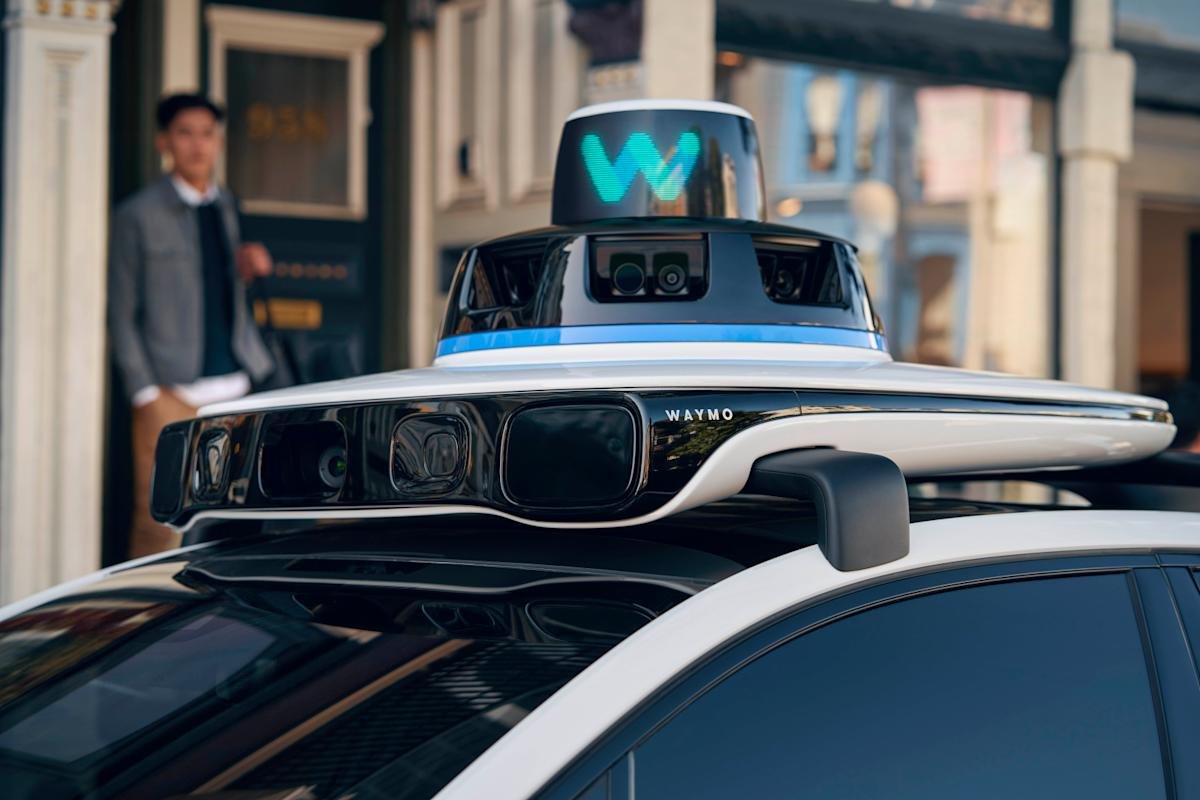
Waymo’s vehicles are now fully driverless in Nashville. This marks a significant step forward in the company’s mission to offer robotaxi rides to the public. Waymo started testing in this city last year, focusing on ensuring the safety and reliability of its technology. The company will introduce paid rides in September 2025, but the timeline for accepting bookings remains unclear. Each city presents unique challenges, from varying traffic laws to different environmental conditions. Thus, Waymo conducts extensive testing first. It employs safety drivers to gather critical data that helps refine its software.
However, the journey has not been without challenges. Waymo recently recalled software multiple times due to malfunctions, like failing to stop for school buses or colliding with stationary objects. Such issues highlight the importance of rigorous testing before a public rollout. Safety remains a top priority, and lessons learned will shape future improvements.
A Future of Possibilities
The expansion into Nashville raises questions about widespread adoption. Waymo already operates in major cities like Los Angeles and San Francisco, as well as through partnerships, such as with Uber in Austin. Yet, Nashville represents a new frontier. Successful implementation there could serve as a blueprint for other cities. Many regions, including New York and Tokyo, await their turn as Waymo scales its operations.
This shift towards autonomous vehicles could positively impact urban mobility. People may benefit from reduced congestion and improved access to transportation, particularly in underserved areas. However, the human journey must remain at the forefront. Embracing these technologies means carefully navigating the balance between innovation and public safety. As Waymo endeavors to expand its reach, it also has the responsibility to keep the human experience in focus.
Discover More Technology Insights
Learn how the Internet of Things (IoT) is transforming everyday life.
Access comprehensive resources on technology by visiting Wikipedia.
TechV1
