

Quick Takeaways
-
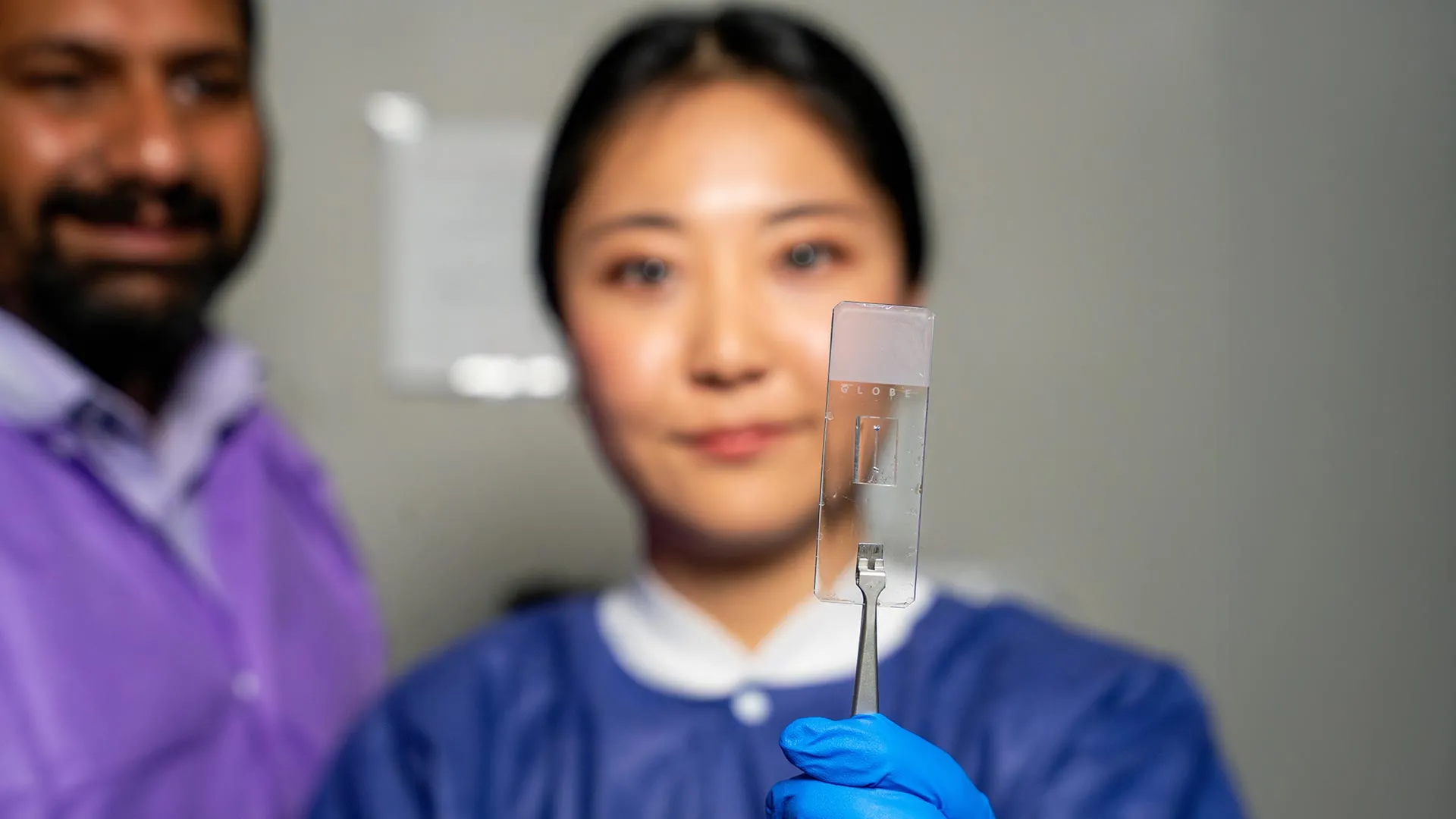
Innovative Vessel-Chip Development: Researchers at Texas A&M University have created a customizable vessel-chip system that mirrors the complex shapes and functions of human blood vessels, enhancing the study of vascular diseases and drug testing.
-
Advanced Modeling Capabilities: The vessel-chip system, developed by Jennifer Lee under Dr. Abhishek Jain, goes beyond traditional straight designs, allowing for modeling of diverse vascular conditions like aneurysms and stenosis, which significantly alter blood flow.
-
Interdisciplinary Collaboration: Lee’s research experience in the lab fostered essential skills in teamwork and communication, providing a strong foundation for future medical research capabilities and enhancing her academic journey.
-
Future Directions for Research: Plans to incorporate various cell types into the vessel-chip model aim to better understand tissue interactions, marking a new frontier in organ-on-a-chip technology for studying vascular health.
Advancements in Vascular Research
Scientists have long grappled with the complexities of human blood vessels. Traditional lab models, instead of mirroring these intricate systems, depicted vessels as straightforward tubes. This approach limited our understanding of how vascular diseases develop. Recently, researchers at Texas A&M University introduced a revolutionary vessel-chip system. This innovative design allows for customizable blood vessel models, better reflecting real-life anatomy.
The significance of this breakthrough is immense. With these chips, scientists can explore vascular diseases in ways previously unattainable. By using living cells and reproducing various vessel types, researchers can simulate conditions where diseases flourish. This realistic setup not only enhances studies but also offers a promising platform for drug testing without relying on animal models.
Transforming Medical Research and Education
Moreover, the potential for widespread use of these vessel-chips in medical research is encouraging. They create a unique opportunity for personalized medicine, allowing tailor-made treatments for individual patients. This approach could significantly improve outcomes for those suffering from vascular diseases.
Additionally, the project cultivates skills beyond laboratory techniques. Collaborations among students and researchers foster creativity and problem-solving. The lab environment nurtures teamwork, enhancing students’ educational experiences. As research evolves, scientists aim to incorporate more cell types into these chips, potentially revolutionizing the understanding of vascular interactions.
In the wider context of human health, these advancements mark a vital step forward. The journey toward understanding complex biological systems continues, driven by ingenuity and collaboration.
Stay Ahead with the Latest Tech Trends
Explore the future of technology with our detailed insights on Artificial Intelligence.
Explore past and present digital transformations on the Internet Archive.
TechV1
