

Quick Takeaways
-
Diverse Immune Responses: The COVID-19 pandemic underscored how individuals can react differently to the same infection due to differences in genetics and life experiences, raising questions about why these variations occur.
-
Epigenetic Insights: Researchers at the Salk Institute created a detailed catalog of epigenetic modifications that influence immune cells, revealing how inherited traits and life experiences shape immune responses distinctly.
-
Markers for Disease Prediction: By distinguishing between genetically inherited (gDMRs) and experience-driven (eDMRs) epigenetic changes, the study suggests that genetics establishes long-term immune behaviors, while experiences adjust immediate responses.
-
Personalized Treatment Potential: The findings pave the way for precision medicine, enabling predictions of individual responses to infections and personalized treatment strategies based on epigenetic markers, potentially improving patient outcomes.
The Epigenetic Influence of Experience
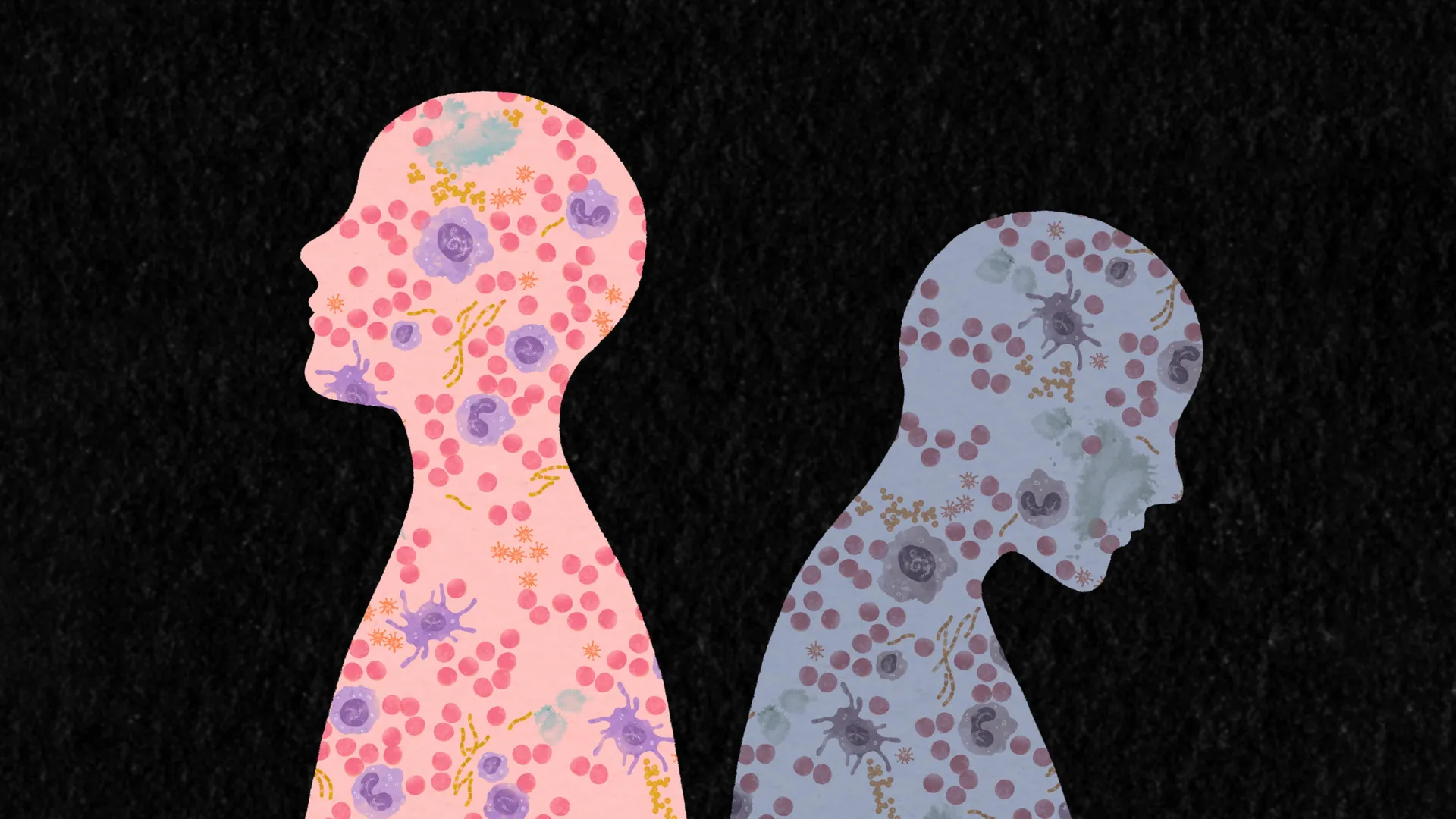
The COVID-19 pandemic revealed a stark truth: people respond differently to the same virus. Some experience mild symptoms, while others face severe illness. This variance leads us to ask: why does the immune response differ among individuals? Scientists have now found that both genetics and life experiences play crucial roles in shaping our immune systems. Researchers at the Salk Institute have created an epigenetic catalog that outlines how these factors influence immune cells in distinct ways.
Epigenetic modifications, or chemical changes, influence gene behavior without altering the DNA sequence. These changes allow immune cells to retain a molecular record of environmental interactions and infections. For example, blood samples from 110 individuals showed how their histories, including past infections and exposures, left lasting marks on their immune cells. Consequently, scientists can now identify specific epigenetic markers that affect immune response, unveiling a complex interplay between inherited traits and life experiences.
Pathways to Personalized Immunology
Understanding how these epigenetic variations affect immune cells opens the door to personalized medical treatments. The research reveals that genetic changes often establish long-term immune responses. In contrast, experiences appear to fine-tune these responses. This differentiated understanding could lead to targeted therapies. Clinicians might analyze a patient’s immune profile to predict how they would respond to future infections. With enough data, researchers could identify protective markers and develop strategies to enhance individual immunity.
The research team emphasizes that their work lays the foundation for precision prevention strategies. As this epigenetic catalog grows, it could revolutionize our approach to infectious diseases. Doctors may one day use a patient’s genetic information to foresee how an infection may impact their health. This insight holds the potential for profound advances in medical treatment and our understanding of immune variability. Thus, scientists can harness the power of both genetics and experience to shape a healthier future.
Expand Your Tech Knowledge
Learn how the Internet of Things (IoT) is transforming everyday life.
Access comprehensive resources on technology by visiting Wikipedia.
TechV1
