

Top Highlights
-
Wet Dress Rehearsal: NASA’s Artemis II test flight preparations include a critical wet dress rehearsal for the SLS rocket on Feb. 19, starting at 8:30 p.m. EST, lasting up to four hours.
-
Live Coverage: The outcome of the rehearsal will be discussed in a news conference on Feb. 20 at 11 a.m. EST, featuring key NASA leaders, streamed live on YouTube.
-
Media Participation: Credentialed media can attend the conference in person or join virtually by contacting NASA’s Kennedy Space Center news team in advance.
-
Artemis Mission Goals: The Artemis program aims to enable U.S. crewed missions to the Moon and eventually prepare for human missions to Mars.
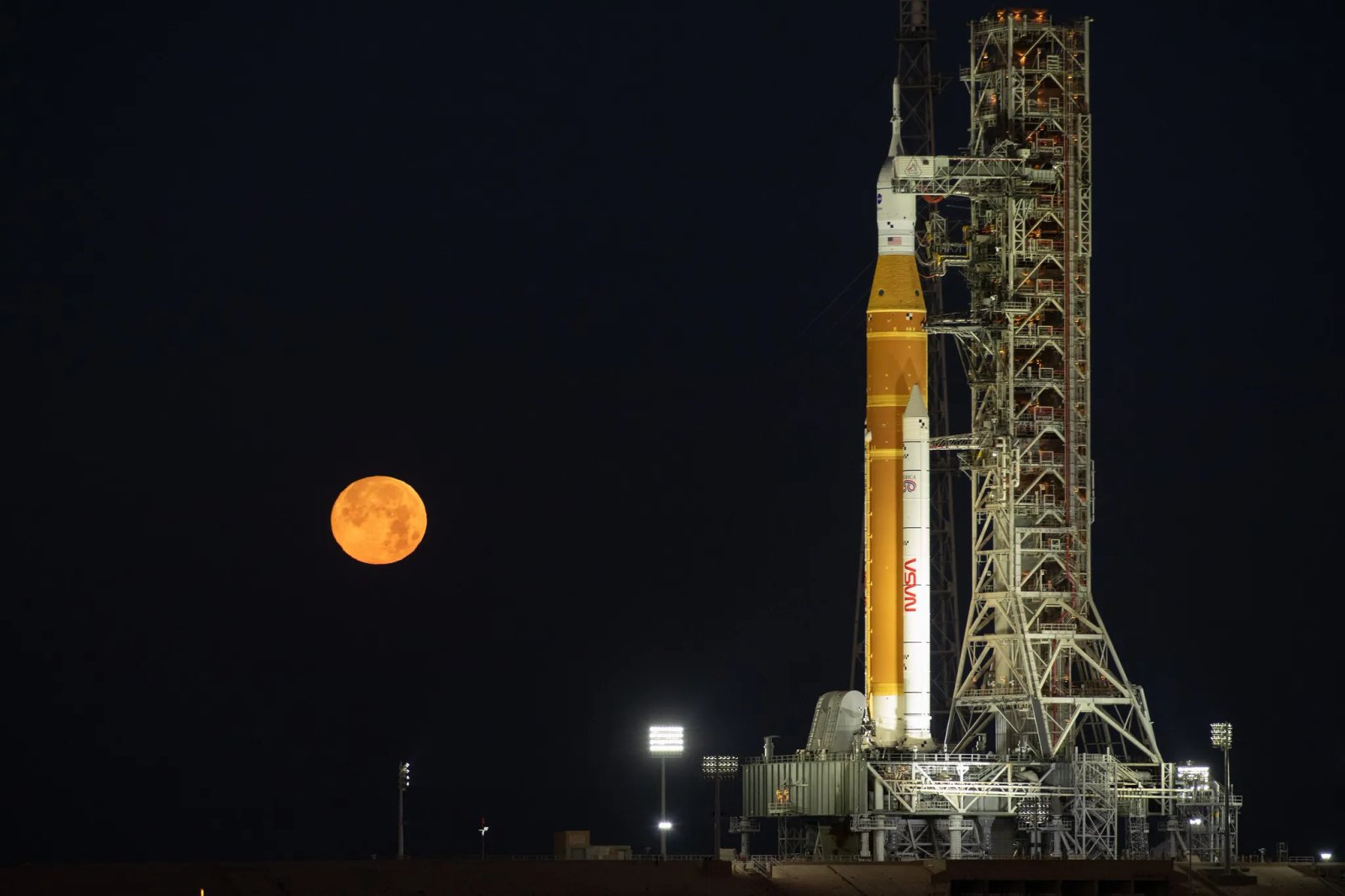
NASA plans to provide extensive coverage of the Artemis II wet dress rehearsal on Thursday, Feb. 19. This important test involves fueling the Space Launch System (SLS) rocket. Teams will countdown to a simulated launch window at 8:30 p.m. EST. The fueling test could last for up to four hours.
On Friday, Feb. 20, NASA leadership will hold a news conference at 11 a.m. to share details about the rehearsal’s outcome. Key participants will include experts from the Artemis II Mission Management Team and the Exploration Ground Systems.
For those interested, NASA will stream the news conference live on its YouTube channel. Additionally, a 24/7 live stream of the rocket at the launch pad continues online. NASA will also provide a separate feed capturing the wet dress rehearsal activities and share real-time blog posts throughout the fueling day. Viewers can easily access these streams on YouTube and learn how to connect with NASA content through social media and various online platforms.
This wet dress rehearsal marks the second attempt, following a prior rehearsal completed on Feb. 3. Media credentialed for the launch can attend the news conference in person. For virtual participation, media contacts should notify the Kennedy Space Center newsroom at least one hour before the conference begins.
The Artemis program embodies a Golden Age of innovation and exploration. With its ambitious goals, Artemis will facilitate new U.S. crewed missions to the lunar surface and eventually prepare for the first astronauts on Mars. Such advancements in technology not only impact space exploration but also inspire future generations in science and engineering fields.
To explore more about the Artemis campaign, visit NASA’s official website.
Stay Ahead with the Latest Tech Trends
Stay informed on the revolutionary breakthroughs in Quantum Computing research.
Explore past and present digital transformations on the Internet Archive.
SciV1
