
Close Menu
    Facebook X (Twitter) Instagram
    Friday, February 20
    Top Stories:
    • U.S. Speedskater Secures Silver, Claims Third Olympic Medal!
    • Ring Expands Search Party Feature: What’s Next?
    • Top Treasures from Toy Fair 2026!
    Facebook X (Twitter) Instagram Pinterest Vimeo
    IO Tribune
    • Home
    • AI
    • Tech
      • Gadgets
      • Fashion Tech
    • Crypto
    • Smart Cities
      • IOT
    • Science
      • Space
      • Quantum
    • OPED
    IO Tribune
    Home » Chasing the Northern Lights: A Journey Across Arctic Skies
    Space

    Chasing the Northern Lights: A Journey Across Arctic Skies

    Staff ReporterBy Staff ReporterFebruary 19, 2026No Comments3 Mins Read
    Share Facebook Twitter Pinterest LinkedIn Tumblr Reddit Telegram Email
    Share
    Facebook Twitter LinkedIn Pinterest Email

    Quick Takeaways

    1. The aurora borealis can be observed year-round, with notable displays occurring during minor geomagnetic storms, such as the one on February 16, 2026, which occurred during a G1 storm and later intensified to G2.

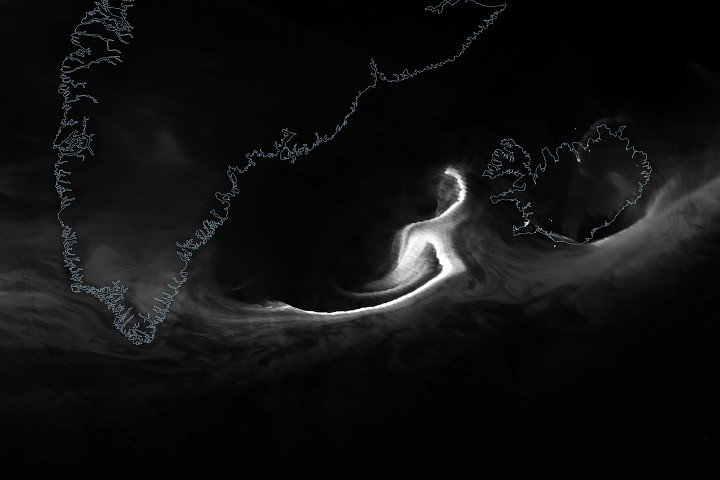
    2. Images captured by the VIIRS satellite show stunning auroral light patterns over regions like the Denmark Strait, Iceland, and eastern Canada, revealing varying colors not visible in grayscale satellite data.

    3. Minor geomagnetic storms (G1 on the G5 scale) can cause minor disruptions, while stronger storms (G2) may push auroras farther south, seen as far as New York and Idaho.

    4. NASA’s GNEISS mission launched rockets to study auroral electrical environments, aiming to enhance understanding of the mechanisms driving space weather near Earth.

    Northern Glow Spans Iceland and Canada

    On February 16, 2026, stunning displays of the northern lights illuminated the skies over Iceland and Canada. These auroras are typically visible during March and September, but they sometimes appear earlier if solar conditions are favorable.

    NASA’s Suomi NPP satellite captured amazing images of these phenomena early that morning. Using the VIIRS instrument, the satellite detected light emissions in the atmosphere. These images show glowing ribbons of color stretching from the Denmark Strait to the Canadian provinces of Québec and Newfoundland and Labrador.

    During this event, a minor geomagnetic storm, classified as G1, increased visibility of the auroras. A G1 storm typically produces minor effects, such as slight fluctuations in power grids. However, excitement grew when conditions intensified later that day to a G2 storm, which can push auroras further south, potentially reaching regions like New York and Idaho.

    Notably, this event followed a NASA rocket launch from Alaska a week prior. The GNEISS mission aimed to study the electrical environment of auroras. By using sounding rockets, researchers gathered vital data to map the electrical currents linked to these celestial displays.

    This ongoing research improves our understanding of space weather. A better grasp of such phenomena aids technological advancements, particularly for satellite operations and power grid management. These insights can enhance our daily lives by ensuring more stable services during geomagnetic events.

    As auroras continue to amaze onlookers, they also spark curiosity among scientists. The interplay of solar winds and Earth’s magnetic field remains a captivating subject for future exploration.

    Expand Your Tech Knowledge

    Dive deeper into the world of Cryptocurrency and its impact on global finance.

    Discover archived knowledge and digital history on the Internet Archive.

    SciV1

    Auroras Cosmos Earth Observatory NASA Space Suomi NPP (Suomi National Polar-orbiting Partnership) Visible Infrared Imaging Radiometer Suite (VIIRS) VT1
    Share. Facebook Twitter Pinterest LinkedIn Tumblr Email
    Previous ArticleUnmasking the Invisible: Discovering the Secrets of Bias, Mood, and Personality in Language Models! | MIT News
    Next Article Ring Expands Search Party Feature: What’s Next?
    Avatar photo
    Staff Reporter
    • Website

    John Marcelli is a staff writer for IO Tribune, with a passion for exploring and writing about the ever-evolving world of technology. From emerging trends to in-depth reviews of the latest gadgets, John stays at the forefront of innovation, delivering engaging content that informs and inspires readers. When he's not writing, he enjoys experimenting with new tech tools and diving into the digital landscape.

    Related Posts

    Tech

    U.S. Speedskater Secures Silver, Claims Third Olympic Medal!

    February 19, 2026
    Crypto

    SEC Chair Paul Atkins: Stay Calm Amid Falling Crypto Prices

    February 19, 2026
    Tech

    Ring Expands Search Party Feature: What’s Next?

    February 19, 2026
    Add A Comment

    Comments are closed.

    Must Read

    U.S. Speedskater Secures Silver, Claims Third Olympic Medal!

    February 19, 2026

    SEC Chair Paul Atkins: Stay Calm Amid Falling Crypto Prices

    February 19, 2026

    Ring Expands Search Party Feature: What’s Next?

    February 19, 2026

    Chasing the Northern Lights: A Journey Across Arctic Skies

    February 19, 2026

    Unmasking the Invisible: Discovering the Secrets of Bias, Mood, and Personality in Language Models! | MIT News

    February 19, 2026
    Categories
    • AI
    • Crypto
    • Fashion Tech
    • Gadgets
    • IOT
    • OPED
    • Quantum
    • Science
    • Smart Cities
    • Space
    • Tech
    • Technology
    Most Popular

    OKB Soars 130% to New ATH After Major Token Burn!

    August 13, 2025

    3D Printing Made Easy: Welcome to the ‘It Just Works’ Era!

    February 6, 2026

    28 Years Later: Filmed on an iPhone?

    April 18, 2025
    Our Picks

    New Model Predicts Elite Athletes’ Ball-Catching Dynamics

    February 26, 2025

    Apple’s App Store: The Battle for Control and Its Fallout

    May 2, 2025

    Bolt CEO Shifts Gears: From Workplace Innovator to Total Overhaul

    July 22, 2025
    Categories
    • AI
    • Crypto
    • Fashion Tech
    • Gadgets
    • IOT
    • OPED
    • Quantum
    • Science
    • Smart Cities
    • Space
    • Tech
    • Technology
    • Privacy Policy
    • Disclaimer
    • Terms and Conditions
    • About Us
    • Contact us
    Copyright © 2025 Iotribune.comAll Rights Reserved.

    Type above and press Enter to search. Press Esc to cancel.