

Quick Takeaways
-
Rapid Fire Spread: High winds and dry conditions in February 2026 fueled fast-spreading wildfires in the Oklahoma Panhandle, consuming over 155,000 acres in one day, with gusts up to 70 mph exacerbating the situation.
-
Disaster Response: The Oklahoma governor declared a disaster emergency as multiple fires, including the significant Ranger Road fire, threatened farmland, livestock, and prompted evacuations across western Oklahoma and southern Kansas.
-
Dangerous Visibility: Wind-borne dust produced hazardous conditions throughout the region, resulting in severe vehicle crashes and poor visibility, notably leading to a fatal pileup on Interstate 25 in Colorado.
-
Continued Threat: Persistent dry conditions and strong winds continued to escalate fire growth on February 18, with authorities issuing red flag warnings while emergency responses were mobilized to contain the situation.
Winds Whip Up Fires and Dust on the Southern Plains
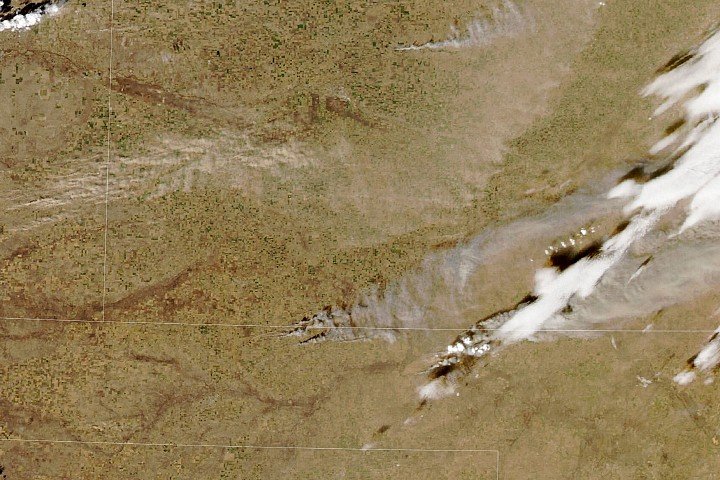
High winds and dry conditions sparked significant wildfires in the southern Plains during February 2026. On February 17, multiple large blazes erupted in the Oklahoma Panhandle. These fires rapidly consumed tens of thousands of acres of grasslands and shrublands.
That afternoon, smoke and dust enveloped the region. NASA’s Aqua satellite captured images of this chaotic scene. The Ranger Road fire, the largest, ignited near Beaver, Oklahoma. By evening, it had raced into Kansas, scorching an estimated 145,000 acres. Local reports indicated that, combined with other fires, over 155,000 acres burned in just one day.
The Ranger Road fire showcased the dangers of a “fast fire.” Unlike typical wildfires, these blazes spread quickly across grasslands and shrublands. They usually occur in dry conditions during autumn and winter. Meteorologists recorded wind gusts up to 70 miles per hour. This contributed significantly to the fires’ rapid spread.
The impacts were severe. The fires destroyed structures, threatened farmland, and led to urgent evacuation orders in western Oklahoma and southern Kansas. As a response, the governor declared a disaster emergency for Panhandle counties.
On February 18, persistent winds and dry air exacerbated the situation. The Ranger Road fire nearly doubled in size. A red flag warning persisted for the Texas and Oklahoma panhandles, with gusts projected at 40 miles per hour and critical humidity levels.
Wind-driven dust created additional hazards. Near Pueblo, Colorado, poor visibility caused a tragic pileup on Interstate 25. In southern New Mexico, officials cautioned travelers about dangerous conditions from blowing dust.
This event highlights the need for robust monitoring technology. Advancements in satellite imaging and meteorological forecasting could enhance early warning systems. As conditions worsen, improving technology can help mitigate these disasters in the future. Enhanced awareness and preparedness can ultimately improve quality of life for those living in fire-prone areas.
Expand Your Tech Knowledge
Stay informed on the revolutionary breakthroughs in Quantum Computing research.
Stay inspired by the vast knowledge available on Wikipedia.
SciV1
