

Quick Takeaways
-
Research Objective: NASA investigates public reactions to air taxi noise in urban vs. suburban settings to ensure safe integration of new aircraft into communities.
-
Testing Overview: The VANGARD test involved 359 participants from Los Angeles, New York City, and Dallas-Fort Worth who listened to 67 simulated aircraft sounds without knowing the manufacturers.
-
Key Findings: Residents in noisy areas reported greater annoyance with air taxi sounds compared to those in quieter neighborhoods, suggesting heightened sensitivity to additional noise.
-
Research Impact: Results will inform the design and operation of future air mobility aircraft, helping to address community noise concerns effectively as these vehicles become operational.
NASA Investigates Aircraft Noise Impact on Communities
New aircraft technologies could introduce unfamiliar sounds above our cities. With this in mind, NASA has launched a study to understand how people react to air taxi noise. This research aims to effectively integrate these aircraft into urban environments.
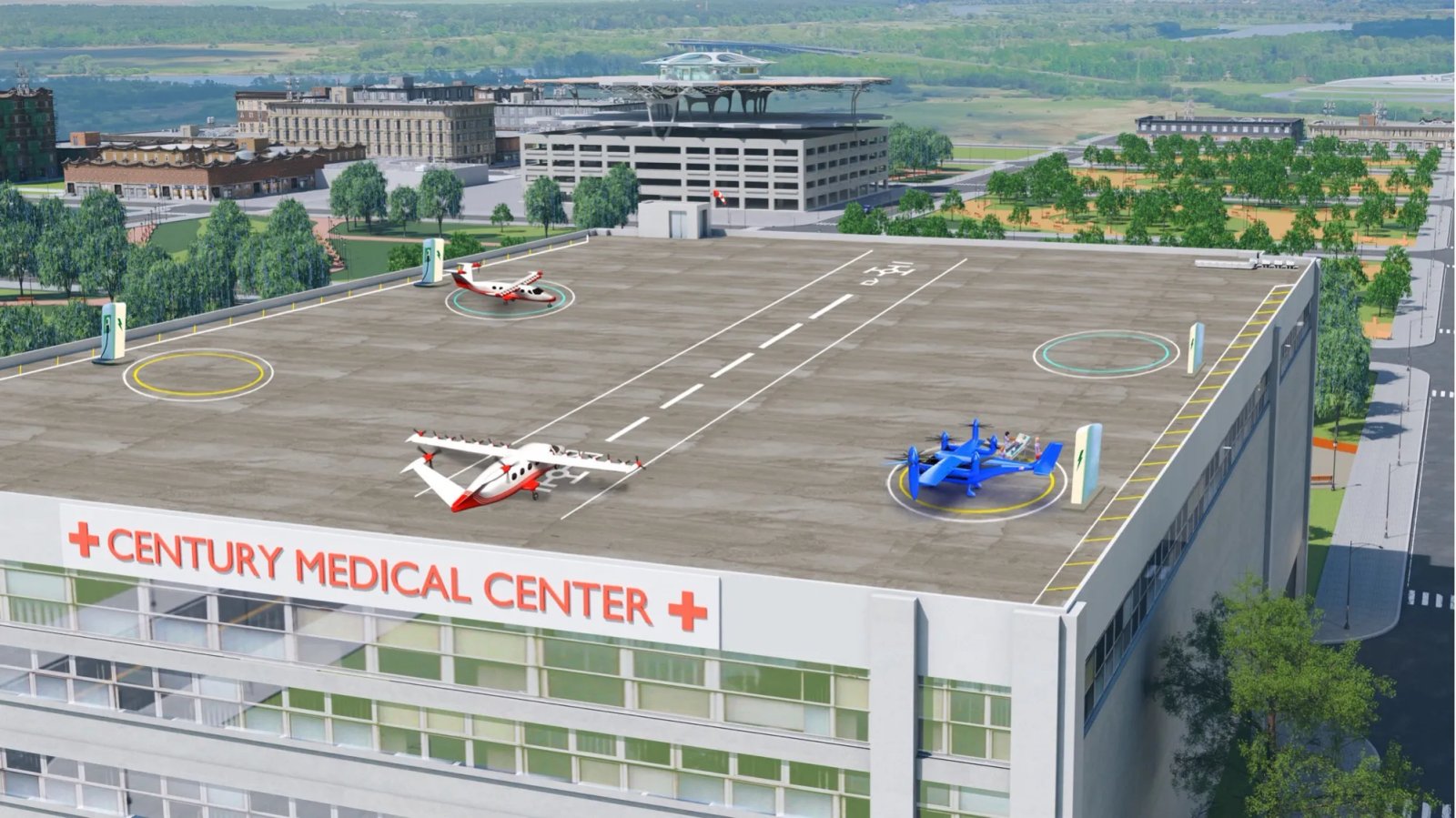
For years, NASA aeronautics has focused on developing new air transport options for people and goods. Recently, the agency concentrated on air taxis, which can serve various purposes, from personal travel to emergency medical transport. To explore public reactions, researchers assessed responses from individuals in loud cities compared to those in quieter suburbs.
Between late August and September 2025, 359 participants from Los Angeles, New York City, and Dallas-Fort Worth took part in the Varied Advanced Air Mobility Noise and Geographic Area Response Difference (VANGARD) test. Participants listened to 67 distinct sounds that simulated different aircraft, including various industry concept designs. Researchers kept aircraft identities anonymous to ensure unbiased feedback.
Preliminary results indicated that residents in noisier areas experienced greater annoyance from air taxi sounds than those in quieter settings. Researchers are currently analyzing this data. Early hypotheses suggest that individuals in loud environments may exhibit heightened sensitivity to additional noise.
One lead researcher emphasized the importance of understanding public reactions to these future aircraft sounds. The study’s findings will guide the design and operation of air taxis, allowing for smoother integration into communities.
During the study, participants rated their annoyance levels while listening to individual aircraft sounds. They provided zip codes to categorize their environments into high and low background noise levels. The aim was to determine how these factors influenced their reactions, even in the absence of typical background noise.
Most participants completed the study from home with personal devices, while a control group of 20 listened in person at NASA Langley. This group showed similar responses to those testing remotely, strengthening the validity of the results.
Researchers acknowledged that multiple elements affect responses to aircraft noise. However, this study offered essential insights into public perception. It did not address all possible variables, such as how existing environmental noise might mask air taxi sounds.
Ultimately, this research will help shape the future of air mobility technology, informing aircraft design and operational guidelines. The findings fit within the broader context of NASA’s mission to enhance aeronautics and improve quality of life through advanced transportation solutions.
Stay Ahead with the Latest Tech Trends
Stay informed on the revolutionary breakthroughs in Quantum Computing research.
Discover archived knowledge and digital history on the Internet Archive.
SciV1
