

Top Highlights
-
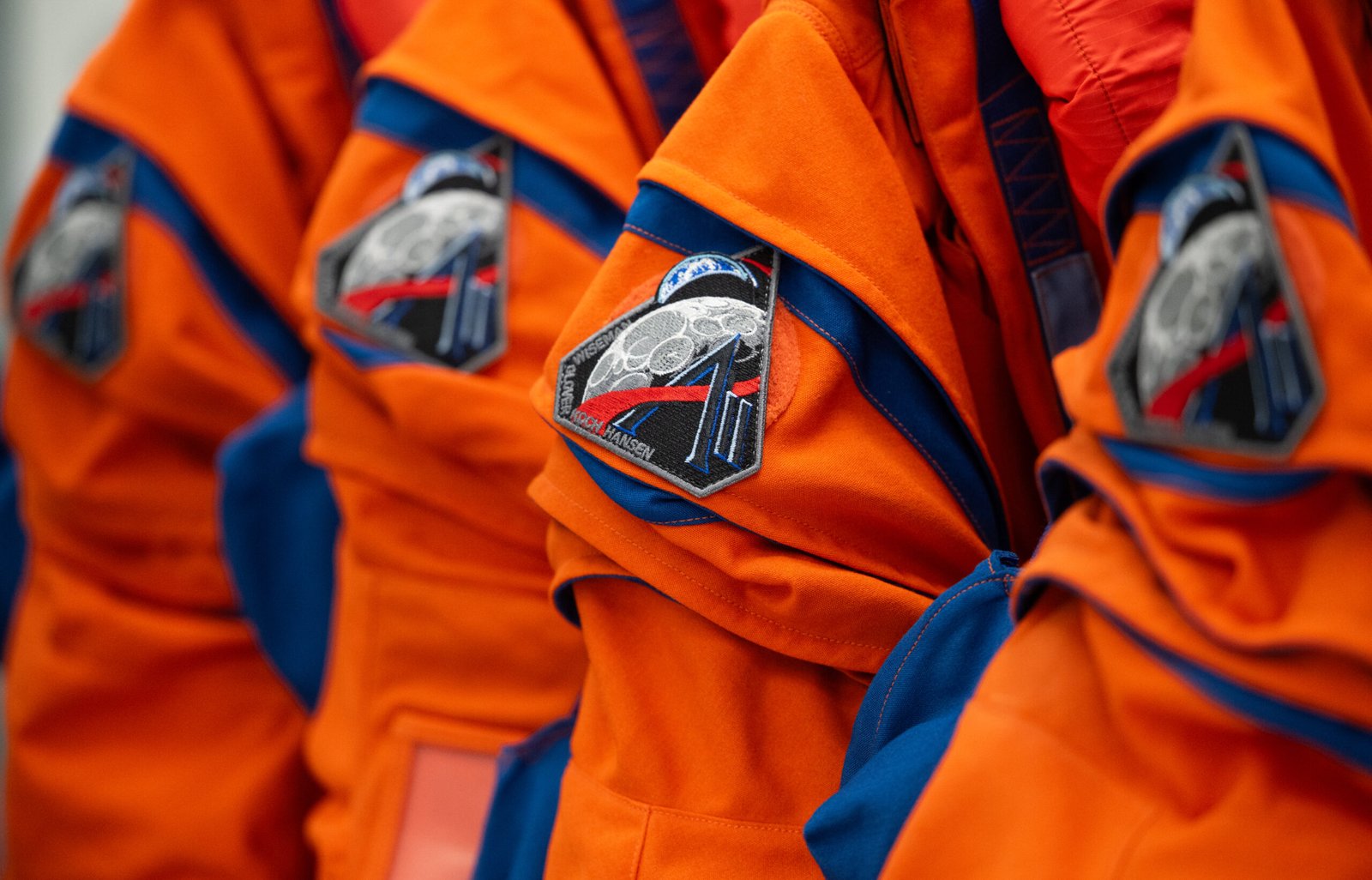
Mission Overview: Artemis II involves a roughly 10-day test flight around the Moon with NASA astronauts Reid Wiseman, Victor Glover, Christina Koch, and CSA astronaut Jeremy Hansen, checking Orion’s systems along the way.
-
Key Flight Milestones: The crew will experience significant events, including the translunar injection burn on Flight Day 2, which sets Orion on its path to the Moon, and multiple trajectory correction burns to ensure accurate navigation.
-
Lunar Approach: On Flight Day 6, the crew will come within 4,000 to 6,000 miles of the Moon, likely breaking the record for the farthest distance traveled from Earth while conducting scientific observations and photography.
-
Safe Return: The mission concludes with a series of checks and burns on Flight Day 10, leading to a controlled splashdown in the Pacific Ocean, where recovery teams will be positioned to retrieve the crew and spacecraft.
NASA’s Artemis II Moon Mission Daily Agenda
NASA’s Artemis II mission plans an exciting journey to the Moon. The four astronauts aboard will engage in a rigorous schedule over ten days. Their primary objective is to test the Orion spacecraft’s systems. The mission promises to showcase advanced technology and its benefits for future space exploration.
Launch Day/Flight Day 1:
The crew will launch from Earth, separated from their rocket about eight minutes after takeoff. They will spend nearly a day checking Orion’s systems. This includes testing essentials like drinking water and the toilet. The crew will also practice floating around in their spacecraft, some of the first humans to wear the new spacesuits in space. After initial system checks, they will settle in for a short sleep.
Flight Day 2:
The crew’s day starts with workouts to assess life support systems. Koch will prepare for the critical translunar injection burn. This burn is essential, as it positions Orion on a free-return trajectory around the Moon. Following the burn, the astronauts will have lighter activities. They will connect with Earth through video, enhancing public engagement and awareness.
Flight Day 3:
Early in the day, the crew will perform an outbound trajectory correction burn. This technique ensures Orion remains on course. The crew also conducts important demonstrations, such as practicing CPR in space. These activities highlight the thorough preparedness needed for long-duration missions.
Flight Day 4:
On this day, another trajectory correction will help fine-tune their route to the Moon. The astronauts will review geographic targets for imaging on Flight Day 6. This preparation enhances the mission’s scientific value, allowing the crew to capture unique lunar imagery.
Flight Day 5:
As they enter the Moon’s sphere of influence, the astronauts will spend time testing their spacesuits. This crucial evaluation will ensure safety against potential depressurization. The crew will finalize their preparations for the upcoming lunar flyby.
Flight Day 6:
On this pivotal day, Artemis II will make its closest approach to the Moon, with the crew capturing photos and videos. Their observations could yield new scientific insights. Depending on the lighting, the Moon’s surface may reveal startling features, enriching our understanding of lunar geography.
Flight Day 7:
The crew will exit the lunar sphere of influence, sharing their fresh experiences with scientists on Earth. Afterward, they will prepare for the return trajectory with trajectory correction burns.
Flight Day 8:
This day emphasizes radiation safety, a significant concern for deep-space travel. The crew will construct a shelter using their supplies to test their emergency preparedness. They will also experiment with Orion’s manual piloting capabilities.
Flight Day 9:
The crew will finalize their reentry preparations. They will review procedures and conduct another trajectory correction burn. Additionally, they will perform checks on waste collection systems to ensure readiness.
Flight Day 10:
The mission culminates with the team’s return to Earth. Orion will execute its final trajectory correction before the crew faces the intense heat of reentry. They will splash down in the Pacific Ocean, where recovery teams will await them.
NASA’s Artemis II mission stands as a significant leap in space exploration technology. It not only showcases advanced engineering but also enhances our understanding of long-duration space travel, ultimately improving lives here on Earth. By pushing boundaries, NASA is paving the way for future lunar missions and beyond.
Continue Your Tech Journey
Learn how the Internet of Things (IoT) is transforming everyday life.
Access comprehensive resources on technology by visiting Wikipedia.
SciV1
