

Top Highlights
-
Resurgence of Cursive: Cursive writing is experiencing a revival in U.S. schools, with over two dozen states now mandating its instruction after its omission from the 2010 Common Core standards.
-
Educational Debate: While proponents argue cursive has nostalgic and potential cognitive benefits, critics claim it offers no significant advantages over printed writing, especially with the prevalence of technology.
-
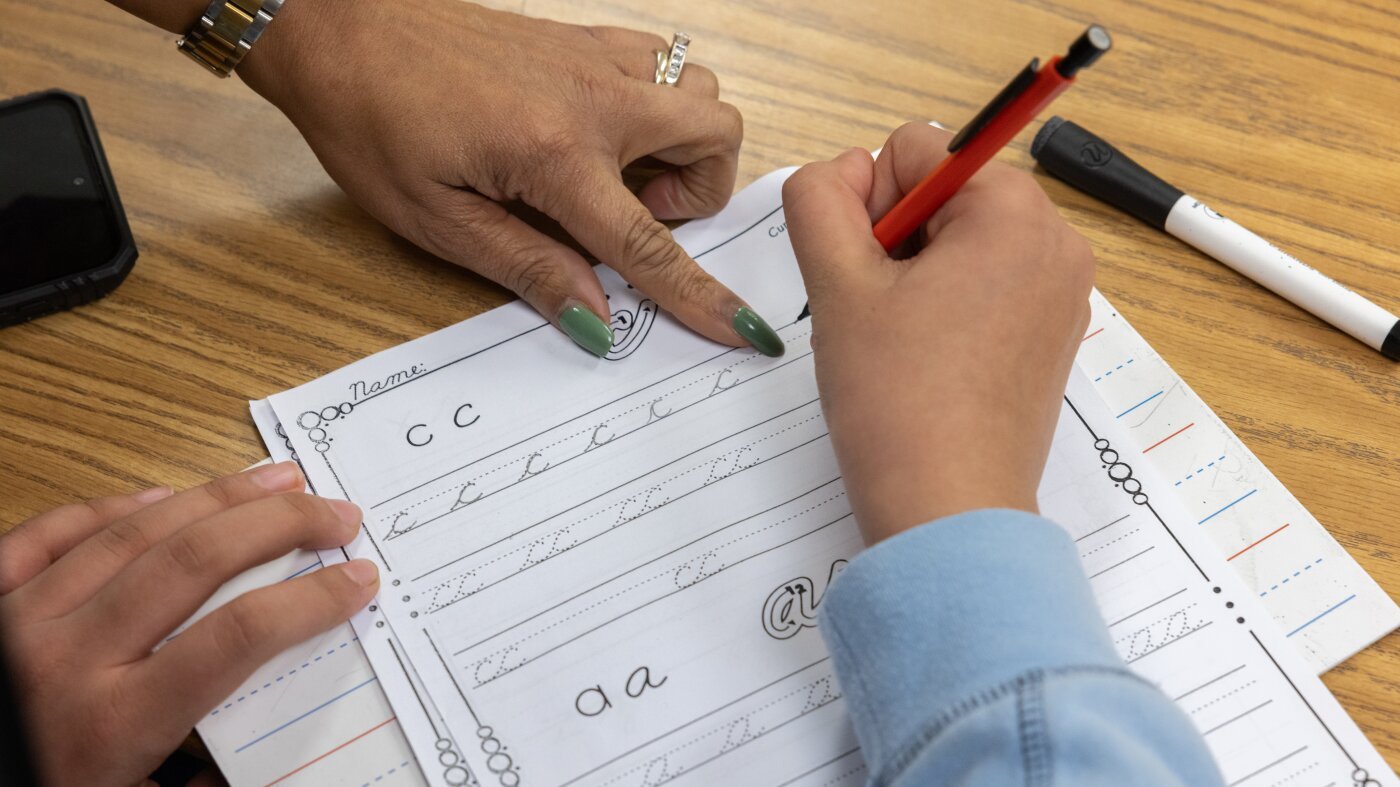
Hands-On Experience: Students in cursive clubs, like those at Holmes Middle School, report improvements in penmanship and enjoy the tactile experience of writing, with some claiming it aids in spelling and understanding of letter connections.
-
Generational Divide: The resurgence highlights a generational gap, as many modern students lack cursive skills, prompting interest and participation in clubs aimed at preserving this writing form.
The Resurgence of Cursive in Today’s Classrooms
Cursive writing is experiencing a revival in schools across the United States. After years of decline, more than two dozen states now mandate cursive instruction. This change follows the omission of cursive from the 2010 Common Core standards. Teachers like one middle school educator noticed that students struggled to read cursive writing on the board. As a response, they created after-school clubs to promote the skill. Moreover, students display enthusiasm for cursive, claiming it enhances their personal signature and adds flair to their writing.
However, this revival isn’t without its critics. Some education experts argue that time spent on cursive could be better used to enhance digital literacy. They cite a lack of substantial evidence linking cursive writing to cognitive benefits distinct from print writing. This debate raises important questions. Do we need cursive in an age dominated by technology? Can it coexist with other vital skills like typing and digital communication?
Balancing Tradition and Modern Education
Advocates for cursive argue that it offers unique benefits. Some studies suggest that cursive writing may help with spelling by requiring students to connect letters fluidly. Furthermore, anecdotal evidence points to cursive as beneficial for students with learning disabilities. While skepticism exists regarding its educational value, many believe cursive should have a place in modern curricula.
As classrooms evolve, the focus should shift to enabling students to become versatile communicators. This may involve integrating cursive within a range of writing skills. Therefore, it might be beneficial to embrace both cursive and print, allowing students to choose what fits their style. As schools navigate this landscape, the goal remains clear: preparing our youth for the complexities of communication in today’s world while honoring cherished traditions.
Expand Your Tech Knowledge
Learn how the Internet of Things (IoT) is transforming everyday life.
Access comprehensive resources on technology by visiting Wikipedia.
TechV1
