

Fast Facts
-
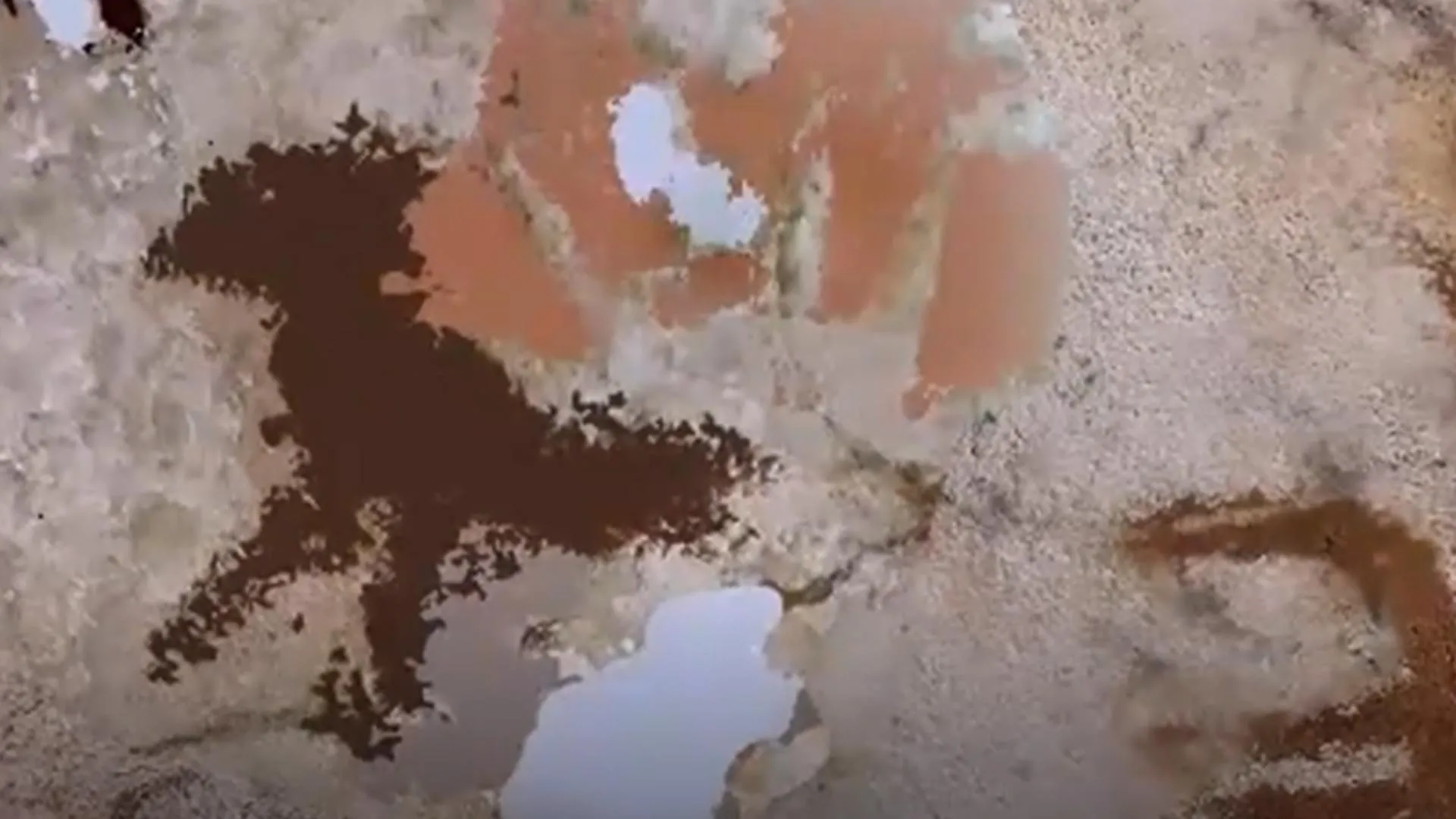
Oldest Rock Art: A hand stencil in Sulawesi, Indonesia, is now the oldest known rock art, dating back at least 67,800 years—15,000 years older than previous discoveries.
-
Cultural Significance: The artists are likely ancestors of Indigenous Australians, with evidence suggesting a continuous artistic tradition in the cave for at least 35,000 years.
-
Migration Insights: The findings enhance understanding of early human migration to Australia, supporting the theory that ancestors of the First Australians reached Sahul by at least 65,000 years ago via northern routes.
-
Research Initiatives: Ongoing studies and collaborations aim to further explore human origins and protect cultural heritage, underscoring the archaeological importance of Indonesian islands in prehistoric migration.
Unveiling Humanity’s Artistic Origins
A remarkable discovery in Indonesia has forever changed our understanding of ancient art. Researchers recently identified a hand stencil dating back at least 67,800 years. This artwork, located in the limestone caves of Sulawesi, is the oldest known example of rock art on Earth. Notably, it predates the previous record holder by at least 15,000 years. Through advanced uranium-series dating techniques, scientists identified the handprint, which provides crucial insights into early human migration. These individuals likely shared ancestral ties with Indigenous Australians, enriching the narrative of human history.
The ongoing artistic legacy in these caves illustrates that creativity flourished for over 35,000 years. This artistic culture gives us a clearer picture of the lives and thoughts of our early ancestors. The unique characteristics of the stencil raise intriguing questions about its meaning. Modifications, such as narrowing the fingers to create a claw-like appearance, suggest a deeper connection between humans and animals. These ancient expressions may have depicted a shared existence, hinting at humanity’s inherent curiosity about existence and connection.
New Perspectives on Migration Routes
The discovery has significant implications for our understanding of human migration to Australia. Archaeologists have long debated when humans first arrived on the landmass known as Sahul. Some argue for a timeline of around 50,000 years, while others believe humans arrived at least 65,000 years ago. This new evidence strongly supports the latter perspective. Researchers propose that the ancestors of the First Australians journeyed through Sulawesi and other islands in what is now Indonesia.
Two main migration routes into Sahul exist. One takes a northern path through Sulawesi, while the other follows a southern route via Timor. The findings from this study strengthen the case for the northern route as a critical pathway for early humans. Furthermore, these discoveries emphasize the importance of continued exploration along Indonesian islands to uncover further evidence of early human activity.
In addition to their archaeological significance, the insights gained from these discoveries deepen our understanding of cultural heritage. Collaborative research efforts, supported by various institutions, aim to protect this rich history while enhancing knowledge of human evolution. These ongoing investigations not only illuminate our past but also celebrate the enduring legacy of creativity that defines humanity.
Continue Your Tech Journey
Stay informed on the revolutionary breakthroughs in Quantum Computing research.
Discover archived knowledge and digital history on the Internet Archive.
TechV1
