

Top Highlights
-
Molecular Mechanism Uncovered: A UAB-led team, under David Reverter, identified how the MraZ protein regulates bacterial cell division by binding to the dcw gene cluster, as published in Nature Communications.
-
Role of the dcw Operon: The dcw operon, crucial for cell division and cell wall construction in bacteria, is activated by transcription factors, particularly MraZ, which starts the gene expression required for division.
-
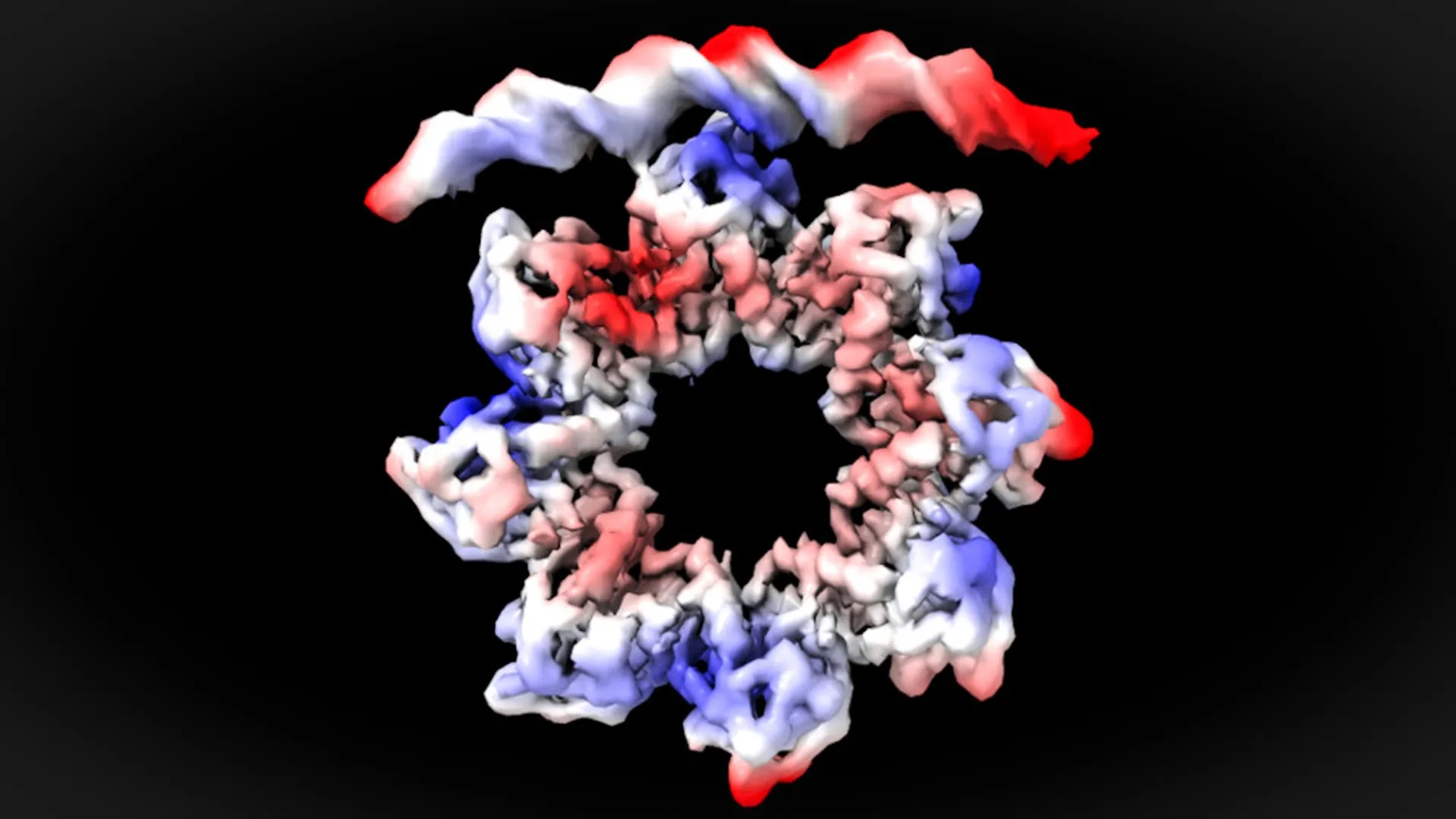
Structural Insights: Utilizing advanced techniques like X-ray crystallography and cryo-electron microscopy, researchers visualized MraZ’s interaction with DNA at a near-atomic level, revealing its structural changes necessary for binding to the promoter.
-
Widespread Implications: The findings suggest that the MraZ regulatory mechanism is likely universal among bacteria, as all MraZ proteins share a similar octamer structure and promoter DNA sequences are conserved across species.
Understanding Bacterial Cell Division
A recent discovery sheds light on how bacteria regulate cell division. Researchers, led by scientists at Universitat Autònoma de Barcelona, identified the MraZ protein’s crucial role in this process. This protein binds to the dcw gene cluster, a group of genes responsible for both cell division and cell wall construction in most bacteria. By activating these genes, MraZ acts as a key regulator, ensuring that cells divide accurately and efficiently. This mechanism remains vital for the survival and growth of bacteria, which impact everything from human health to ecosystems.
The study utilized advanced imaging techniques to visualize MraZ’s interaction with DNA at an atomic level. Researchers observed that the MraZ protein, shaped like a donut, must change its form to bind effectively with the dcw operon. This deformation allows it to link to specific DNA segments, triggering the transcription of cell division genes. Such findings expand our understanding of bacterial biology and highlight the simplicity yet complexity of life processes.
The Implications for Science and Medicine
This discovery has broad implications across various scientific fields. Understanding how bacteria divide can lead to advancements in antibiotic development and disease treatment. By targeting the mechanisms that allow rapid bacterial growth, scientists can create more effective therapies. Furthermore, the regulatory system identified in this study may be universal across most bacterial species, presenting opportunities for widespread application.
Collaboration played a key role in this groundbreaking research. The work involved advanced facilities and expertise, emphasizing the importance of international cooperation in scientific advancement. As scientists continue to unravel the complexities of bacterial behavior, we can anticipate new innovations that benefit healthcare and environmental sciences. This is just one step toward unlocking the full potential of microbial research.
Continue Your Tech Journey
Stay informed on the revolutionary breakthroughs in Quantum Computing research.
Explore past and present digital transformations on the Internet Archive.
TechV1
