

Essential Insights
-
Migration Shift: The pandemic initially prompted a mass exodus from major urban areas, allowing remote workers to relocate to lower-cost regions; however, this trend is reversing due to tightening return-to-office mandates.
-
Return to Cities: New survey data indicates that employees are gradually moving back to major U.S. cities like New York and San Francisco as job opportunities in these areas increase.
-
Job Market Evolution: A surge in demand for positions, especially in technology sectors such as AI, is driving this return, as many new roles are office-based.
-
Talent Proximity: Major metropolitan areas remain attractive for top talent, as companies seek to hire skilled workers who now reside closer to urban centers than in recent years.
The Return to Urban Centers
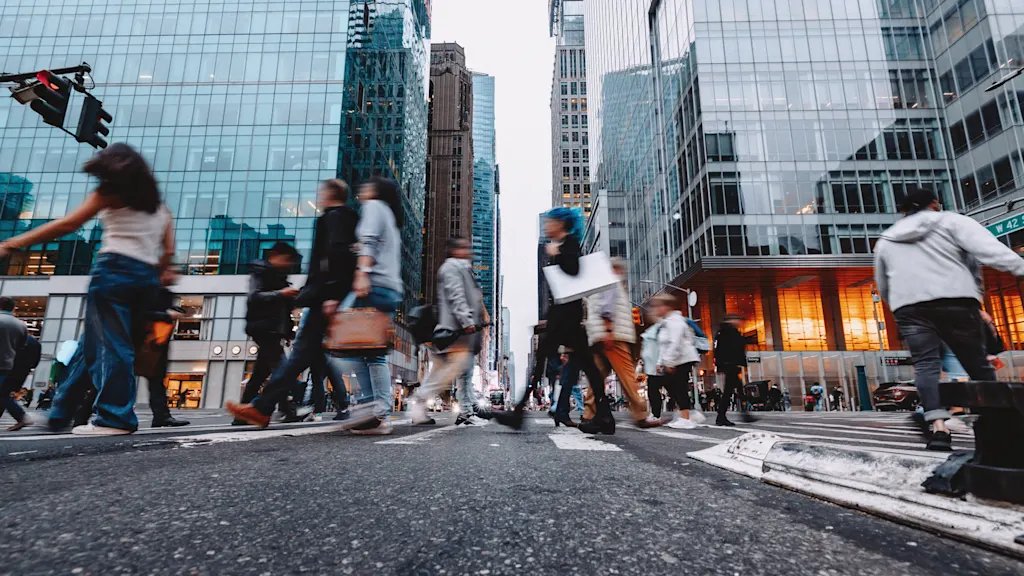
The pandemic transformed work in profound ways. Employees once fled major cities seeking affordable living and remote work freedom. Many relocated to quieter, less expensive areas. However, recent survey data shows a surprising trend. More workers are now moving back to urban centers. Grim labor markets and stricter return-to-office policies drive this reversal.
As companies tighten their RTO mandates, employees feel the pressure to return. They seek stability in a difficult job landscape. This shift reflects changing employment demands. The tech sector leads with a notable increase in available positions, particularly for roles like artificial intelligence model trainers. Such opportunities often require proximity to major cities. With this demand for talent, cities become magnets once again.
The migration back to cities signifies adaptability in the workforce. Urban centers continue to offer a wealth of resources and networking capabilities. Companies prioritize in-person collaboration to foster innovation and maintain company culture. Workers recognize that these environments provide invaluable career opportunities.
Interestingly, this trend highlights a fundamental aspect of human nature. People thrive on connection and community, which urban settings can readily fulfill. Even as remote work options remain, many employees still gravitate toward high-energy locales. This migration reflects a balance between flexibility and the desire for engagement. Ultimately, cities will continue to evolve. They will adapt to meet the needs of a dynamic workforce while fostering progress in various sectors.
Expand Your Tech Knowledge
Stay informed on the revolutionary breakthroughs in Quantum Computing research.
Stay inspired by the vast knowledge available on Wikipedia.
TechV1
