

Top Highlights
- Samsung’s Galaxy Z Fold line has vastly improved over three generations, with the Galaxy Z Fold 7 offering significant enhancements in design, durability, and usability.
- The Fold 7 features a thinner, lighter build with a completely flat hinge and IP48 dust resistance, addressing major durability concerns from earlier models.
- The device’s displays now resemble mainstream smartphones more closely, with a wider cover screen and minimal crease, making it feel like a regular slab phone.
- The Galaxy Z Fold 7 finally offers a flagship-level camera system, including a 200MP main sensor, making it a compelling upgrade for foldable enthusiasts and mainstream users alike.
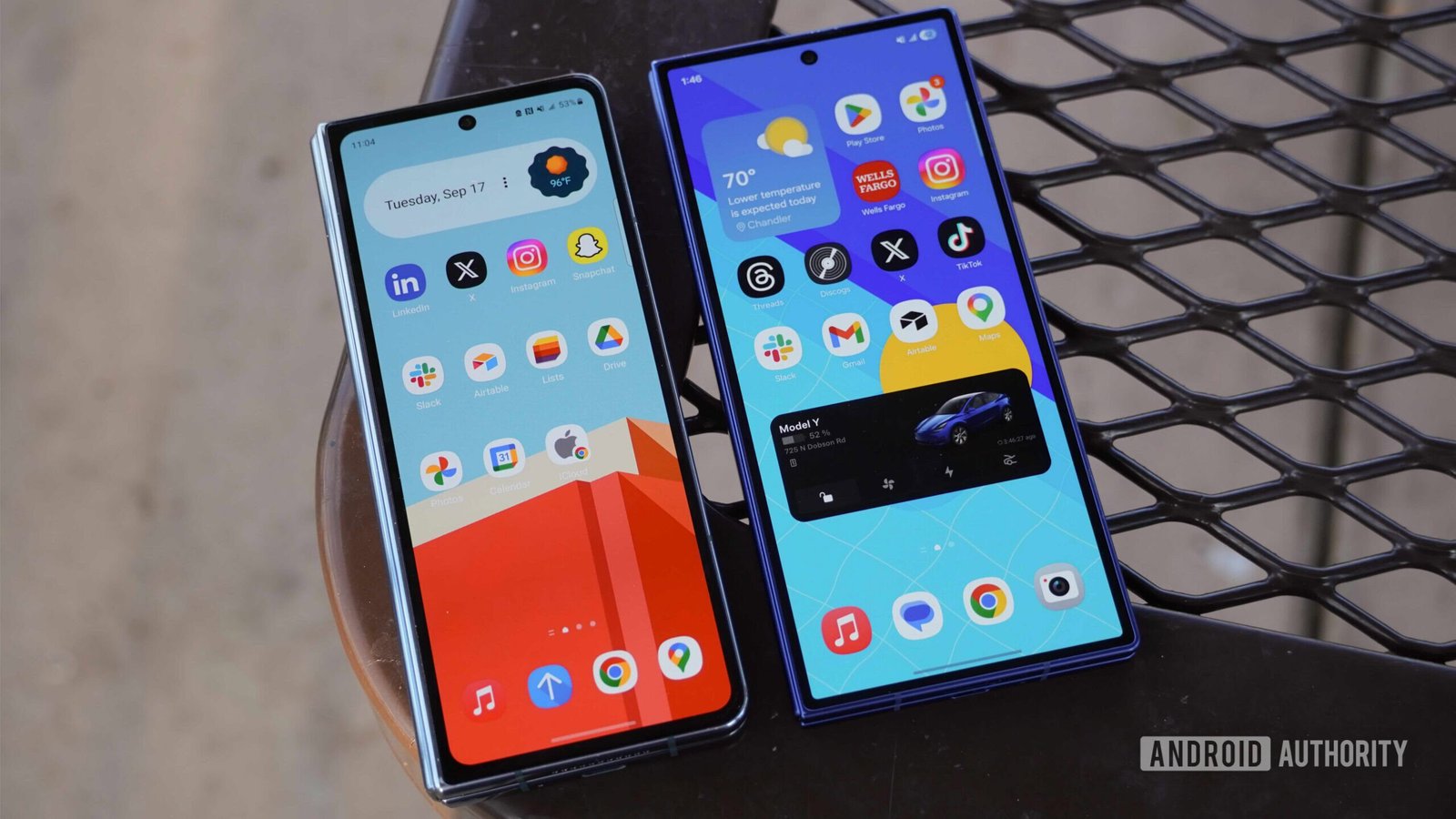
In 2026, I had the chance to test both the Samsung Galaxy Z Fold 4 and the Galaxy Z Fold 7. Initially, I expected minimal differences, but my experience revealed significant improvements over the years. Samsung has carefully refined its foldable technology, making these phones much more practical.
The Galaxy Z Fold 7 feels lighter and slimmer, with a fold that sits flat. This change dramatically reduces dust and debris entry, which was a common issue with earlier models like the Fold 4. Moreover, the new IP48 dust resistance rating offers better protection. In contrast, the Fold 4’s design allowed dirt to get inside, harming its hinge and display over time.
Performance-wise, the Z Fold 7’s larger, more rectangular main screen offers a better experience. Its aspect ratio feels more natural for daily tasks, unlike the narrow Fold 4 display. The outer screen is also more convenient, making it easy to use with one hand. Samsung’s shift to a punch-hole camera improves the inner display’s usability, making selfies and video calls clearer.
Camera technology has also advanced. The Fold 7 now sports a massive 200-megapixel main camera, capturing detailed images. Although some lenses stayed the same, overall, the improvements bring foldables closer to flagship standards. The crease on the display is nearly invisible after a few minutes of use, which enhances the look and feels.
Beyond hardware, foldables like these support smarter cities and urban innovation. As devices become more durable and functional, they help us connect with city services and improve daily life. These phones can manage complex apps, assist with navigation, and support smart infrastructure.
Overall, the evolution from the Fold 4 to the Fold 7 shows how far foldables have come. They are no longer experimental devices but reliable tools. For urban centers aiming to develop smart cities, investing in such technology makes sense. It enables citizens and officials to stay connected, informed, and efficient.
Stay Ahead with the Latest Tech Trends
Explore the future of technology with our detailed insights on Artificial Intelligence.
Stay inspired by the vast knowledge available on Wikipedia.
GadgetsV1
