

Quick Takeaways
-
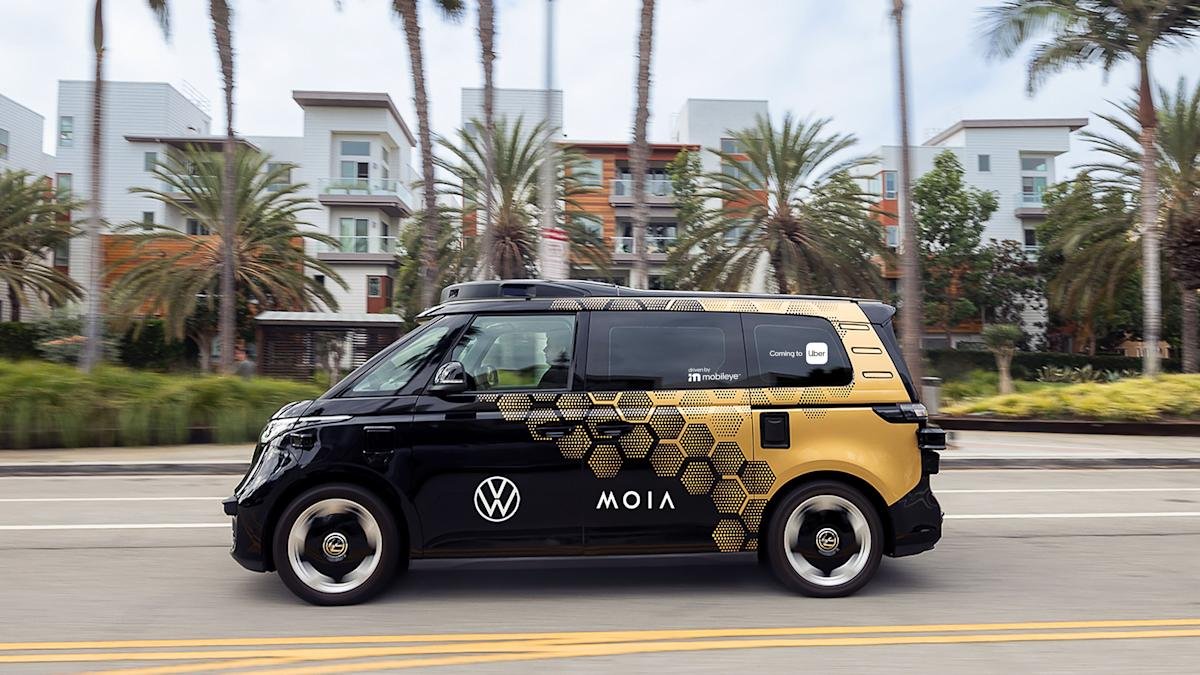
Pilot Launch in LA: Uber and Volkswagen are preparing to launch a robotaxi service using the ID. Buzz electric vehicle in Los Angeles, with testing currently underway.
-
Strategic Partnership: This initiative is part of a multi-year partnership between Uber and MOIA, aimed at deploying thousands of ID. Buzz vehicles across the US over the next decade.
-
Vehicle Features: The ID. Buzz is designed for larger groups, accommodating up to seven passengers, and offers a substantial electric range of up to 234 miles per charge.
-
Future Plans: If successful in LA, the robotaxi service is expected to expand to multiple US markets, while Uber continues to partner with various autonomous vehicle companies for expanded services.
The Future of Mobility in Los Angeles
Los Angeles residents may soon experience a significant change in transportation. Uber has begun testing its Volkswagen ID. Buzz robotaxi fleet within the city. This vehicle is not just an electric van; it’s a modern adaptation of Volkswagen’s iconic microbus. With its minivan-style sliding doors and capacity for seven passengers, the ID. Buzz caters to larger groups, making it a practical option for families or friends needing a ride. Moreover, it boasts a range of up to 234 miles per charge, which enhances its usability for various trips.
Importantly, this endeavor marks a collaboration between Uber and MOIA, Volkswagen’s self-driving subsidiary. Following a multi-year partnership, the companies plan to deploy thousands of these vehicles across the United States in the coming decade. Los Angeles serves as the pilot city, potentially setting the stage for a broader rollout in multiple markets if testing proves successful. In late 2026, riders can expect to hail these robotaxis with safety drivers at the wheel, providing comfort and assurance as they adapt to this new mode of transportation.
Implications for Urban Transportation
The introduction of the ID. Buzz robotaxi raises essential questions about the future of urban mobility. For one, the vehicle could minimize traffic congestion by offering an efficient alternative to personal car use. As rideshare options become more prevalent, shared robotaxis may encourage residents to leave their cars at home. Furthermore, this technology aligns with eco-friendly initiatives, contributing positively to the environment by utilizing electric vehicles.
However, widespread adoption of robotaxis isn’t without challenges. Public skepticism about safety and reliability remains a significant barrier. While technology advances rapidly, many people still prefer the assurance of a human driver. As companies like Uber and MOIA navigate this transition, they must address consumer concerns and build trust. Ultimately, the success of robotaxis will depend on their ability to integrate seamlessly into the everyday lives of residents, reflecting a shift toward more innovative, inclusive urban transport solutions.
Discover More Technology Insights
Dive deeper into the world of Cryptocurrency and its impact on global finance.
Explore past and present digital transformations on the Internet Archive.
TechV1
