

Quick Takeaways
-
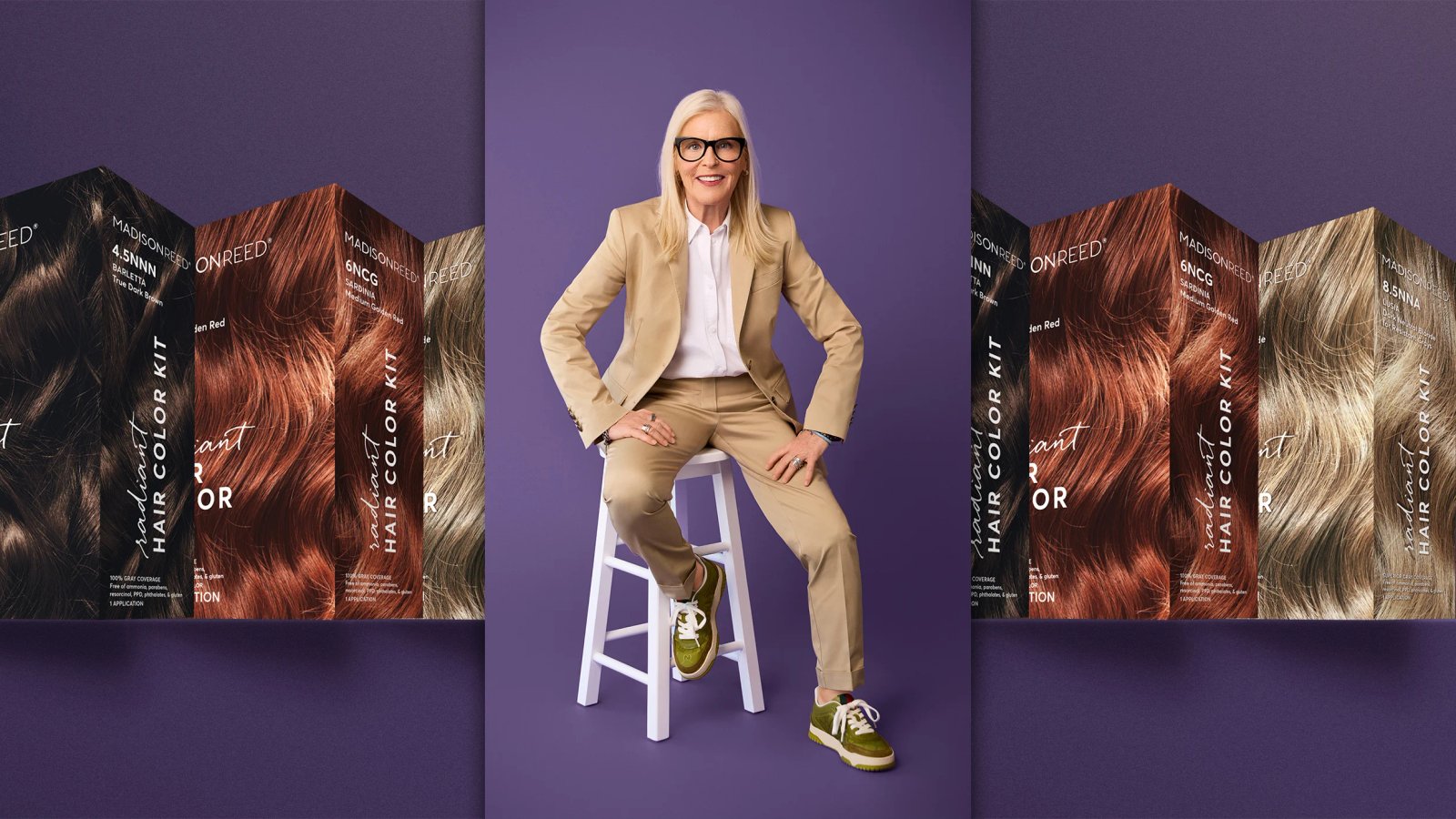
Disrupting the Hair Color Market: Madison Reed, founded by Amy Errett in 2013, challenged the limited options for at-home hair dye, aiming to provide a high-quality alternative to both expensive salon treatments and low-cost drugstore products.
-
Direct-to-Consumer Innovation: Unlike other DTC brands that focused on distribution, Madison Reed reformulated hair color products, addressing quality and accessibility, and gained significant traction in the beauty sector.
-
Strong Market Presence: The company has raised about $250 million in venture capital, operates 98 Hair Color Bars across the U.S., and sells through major retailers like Ulta and Amazon, positioning itself against established competitors.
-
Consumer-Centric Vision: Errett’s approach is grounded in understanding the regular hair coloring needs of women, aiming to combine prestige with affordability in a traditionally stagnant market dominated by large brands.
The Shift in Hair Color Choices
For many years, American women seeking to dye their hair faced limited options. They either spent significant time and money in salons or settled for cheap drugstore products, often with questionable quality. This binary choice felt restrictive and unfair. Many women wanted a middle ground—decent quality that didn’t break the bank. The startup Madison Reed emerged to fill this gap.
Founded in 2013, Madison Reed targets the at-home hair color market with an innovative approach. The company offers salon-quality hair dye accessible through online sales and physical locations. By focusing on high-quality ingredients, Madison Reed provides consumers with a powerful alternative to traditional brands. This business model aligns with the growing trend of direct-to-consumer marketing. According to experts, Madison Reed’s strategy challenges longstanding industry norms dominated by giants like L’Oreal.
Potential for Widespread Adoption
Madison Reed’s success hinges on recognizing consumer needs. The company raises the bar for at-home hair coloring, making it both appealing and aspirational. Currently operating 98 Hair Color Bars nationwide, it also sells its products through major retailers like Ulta and Amazon. This broad access allows an increasing number of women to consider high-quality hair color options.
As market dynamics evolve, brands like Madison Reed may significantly impact the overall beauty industry. The company has already attracted substantial investment, positioning it to capture market share from established competitors. This shift encourages other businesses to prioritize innovation and quality, ultimately benefiting consumers. By redefining hair coloring for the modern consumer, Madison Reed contributes to a broader conversation about quality, accessibility, and choice in beauty.
Discover More Technology Insights
Stay informed on the revolutionary breakthroughs in Quantum Computing research.
Access comprehensive resources on technology by visiting Wikipedia.
TechV1
