

Top Highlights
-
Estonia’s Stance: Estonia rejects social media bans for children, believing they won’t solve underlying issues and that kids will find ways to bypass restrictions.
-
Social Media Risks and Benefits: While social media addiction has clear negative impacts on children’s mental and physical health, it also provides community and support for teens.
-
Global Response: Numerous countries, including Australia and France, have enacted or proposed social media bans for children, viewing it as a solution to the documented harms.
-
Call for Accountability: Estonia advocates for holding governments and corporations accountable for regulation rather than placing responsibility on children, warning that bans could lead to further erosions of freedom.
Estonia’s Unique Stance on Social Media Bans
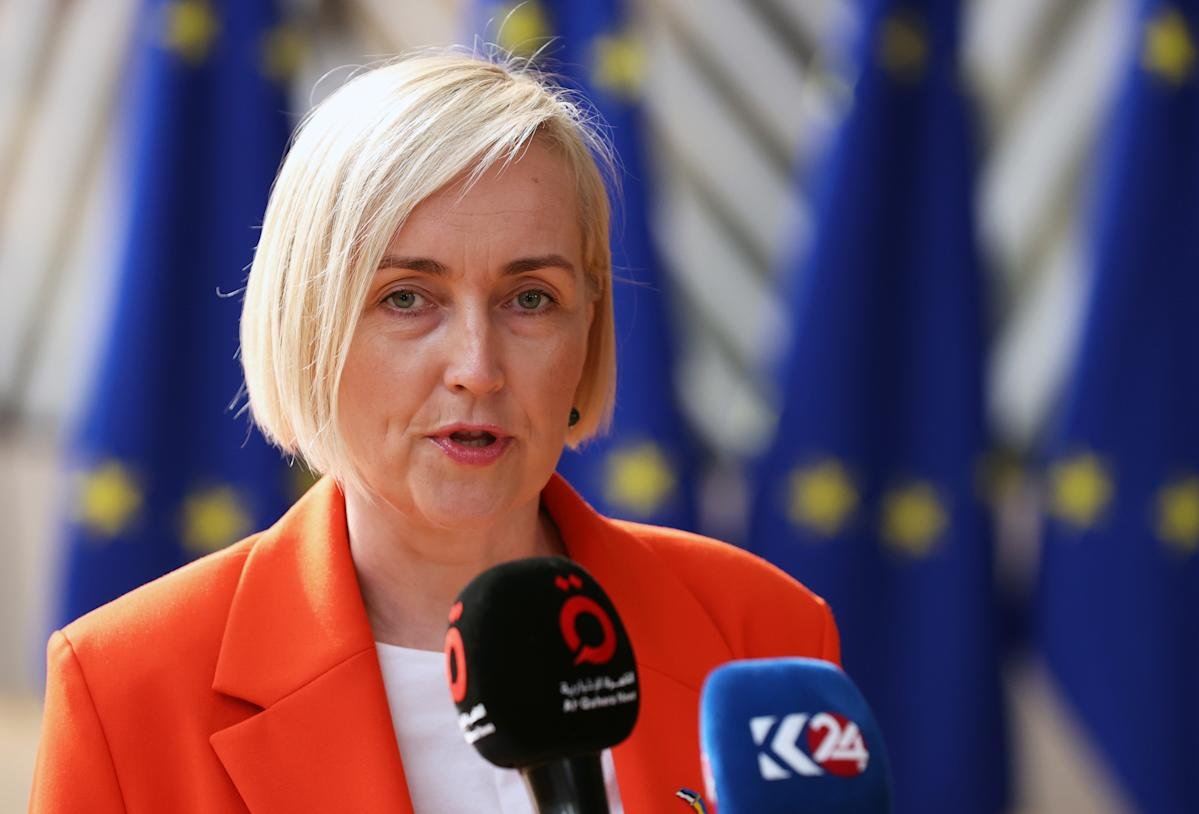
As child social media bans gain traction across Europe, Estonia stands as a notable exception. The country’s education minister recently argued that these bans do not address the root of the problem. Instead, she emphasizes that young people will adapt and find ways to access social media, regardless of the restrictions. She suggests that placing the burden on children shifts focus away from the responsibilities that governments and corporations hold. This point directly challenges the effectiveness of these bans, highlighting a crucial debate around children’s access to digital platforms.
Furthermore, while many countries like France and Australia legislate to limit children’s social media use, the focus may misdirect attention from addressing the broader issue. Social media addiction does pose real threats, including anxiety and obesity. Yet, it also offers young people spaces for community and support. For Estonia, the solution involves a collaborative effort between governments and tech companies to develop healthier online environments rather than empty bans that may infringe on basic freedoms. The fear of escalating surveillance, such as targeting VPNs, raises ethical concerns about control over children’s digital lives.
The Need for Regulation Over Restriction
Estonia calls for proactive regulation instead of restrictive measures. By holding corporations accountable, the government can help create safer digital landscapes without alienating young users. This approach recognizes that existing measures often overlook the complexities of social media use among teens. Striking a balance ensures that while companies face scrutiny, children retain their rights to connectivity and community.
Estonia’s position highlights a need for a larger conversation about digital responsibility. As social media continues to shape the human experience, navigating its impact on youth requires insight from diverse perspectives. The emphasis should not only be on banning access but on fostering an environment where children can thrive online. Advocating for smart regulations offers hope for a more responsible digital future, one that values both safety and freedom.
Stay Ahead with the Latest Tech Trends
Stay informed on the revolutionary breakthroughs in Quantum Computing research.
Access comprehensive resources on technology by visiting Wikipedia.
TechV1
