

Essential Insights
-
Successful Splashdown: The Artemis II astronauts successfully returned to Earth after a historic 10-day mission around the Moon, landing in the Pacific Ocean off San Diego at 8:07 PM.
-
Extreme Reentry Conditions: The Orion capsule endured intense temperatures of about 5,000°F and decelerated from nearly 25,000 mph to approximately 19 mph before splashdown, described by astronaut Victor Glover as “riding a fireball.”
-
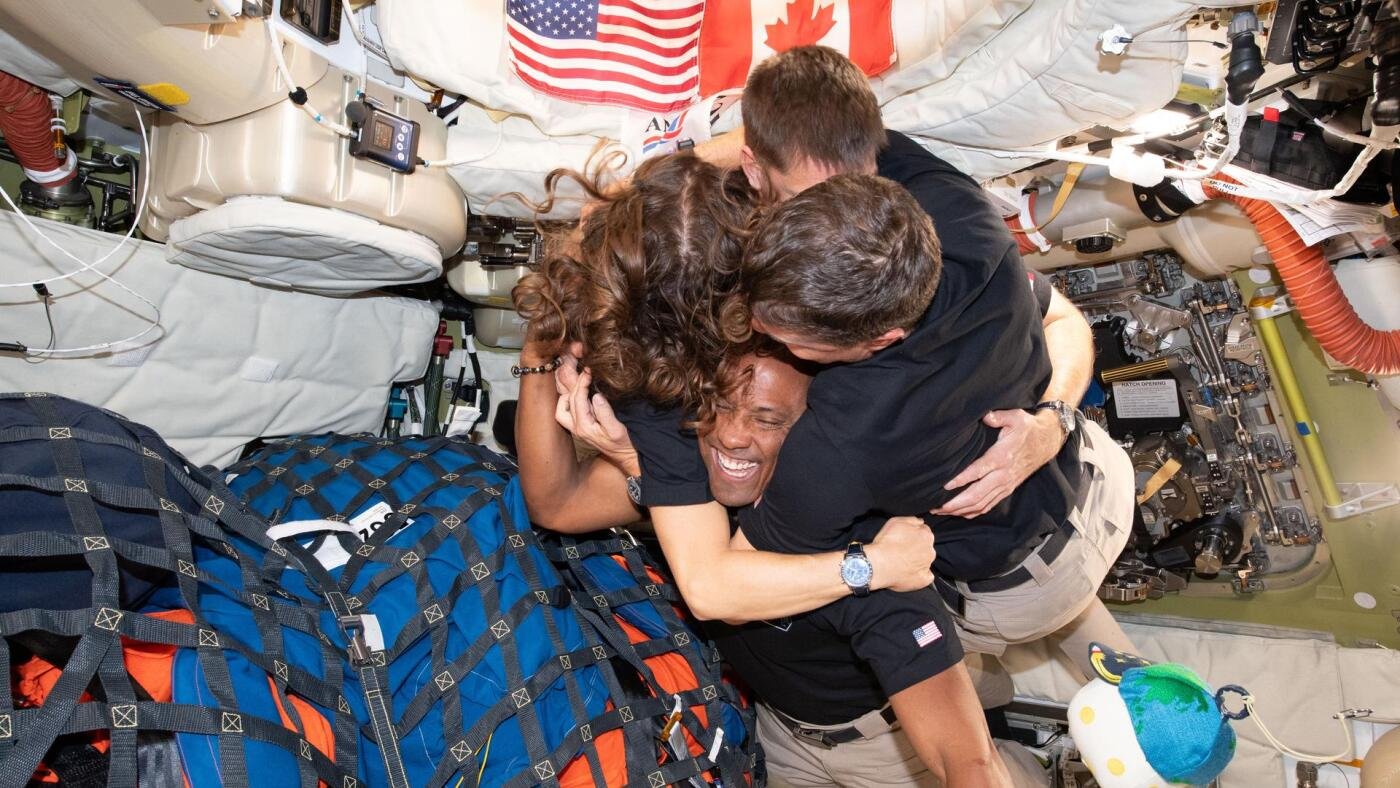
Key Data Collection: The crew, consisting of NASA astronauts Reid Wiseman, Victor Glover, Christina Koch, and Canadian astronaut Jeremy Hansen, gathered crucial data and observations during their lunar trek, which they are bringing back to Earth’s teams.
-
Historic Milestone: This mission marks a significant advancement in human space exploration, as the crew traveled farther from Earth than any humans before them.
Artemis II Astronauts Successfully Splash Down After Historic Moon Mission
In a remarkable feat, the Artemis II astronauts splashed down in the Pacific Ocean off San Diego on Friday evening. After nearly 10 days orbiting the moon and setting records for human travel distance, the crew’s return marked a significant achievement for NASA.
The crew included three NASA astronauts and one Canadian astronaut. They were aboard the Orion space capsule when it descended into the ocean at 8:07 p.m. The USS John P. Murtha was on standby in the vicinity to assist with recovery efforts.
Returning to Earth posed immense challenges. The capsule experienced temperatures soaring to 5,000 degrees Fahrenheit while slowing from speeds reaching nearly 25,000 miles per hour—over 30 times the speed of sound. Astronaut Victor Glover described the descent as akin to “riding a fireball through the atmosphere.” This intense maneuver, however, was crucial for safely completing their mission.
The crew revealed they gathered valuable data during their lunar journey. As they orbited the moon, they captured stunning images and made essential observations, enriching scientific knowledge about our closest celestial neighbor. Glover emphasized the importance of returning with this information, stating, “There’s so much data… all the good stuff is coming back with us.”
The successful splashdown not only demonstrates the advancements in space travel but also highlights the collaborative effort behind space exploration. As engineers and scientists analyze the data, they will enhance future missions. This innovative approach may pave the way for human exploration of Mars and beyond, ultimately improving technology that impacts life on Earth.
The Artemis II mission underscores a commitment to pushing boundaries in human spaceflight. As we look ahead, the knowledge gained from this excursion will undoubtedly contribute to advancements in technology and our understanding of the universe.
Stay Ahead with the Latest Tech Trends
Dive deeper into the world of Cryptocurrency and its impact on global finance.
Explore past and present digital transformations on the Internet Archive.
SciV1
