

Essential Insights
-
Effective Treatments: New research shows that modern weight loss drugs (GLP-1 agonists) and bariatric surgery significantly improve body composition in individuals with obesity by reducing fat mass while preserving fat-free mass.
-
Health Implications: Maintaining lean muscle (fat-free mass) is crucial for long-term health, as a higher fat mass is linked to increased mortality from obesity-related conditions, while greater fat-free mass correlates with reduced mortality risk.
-
Gender Differences: The study reveals that male patients tend to preserve fat-free mass more effectively than female patients after undergoing weight loss treatments over a 24-month period.
-
Need for Further Research: The findings highlight the necessity for additional studies to explore body composition changes in real-world settings following these treatments, particularly with respect to individual characteristics and treatment durations.
The Promise of Modern Weight Loss Interventions
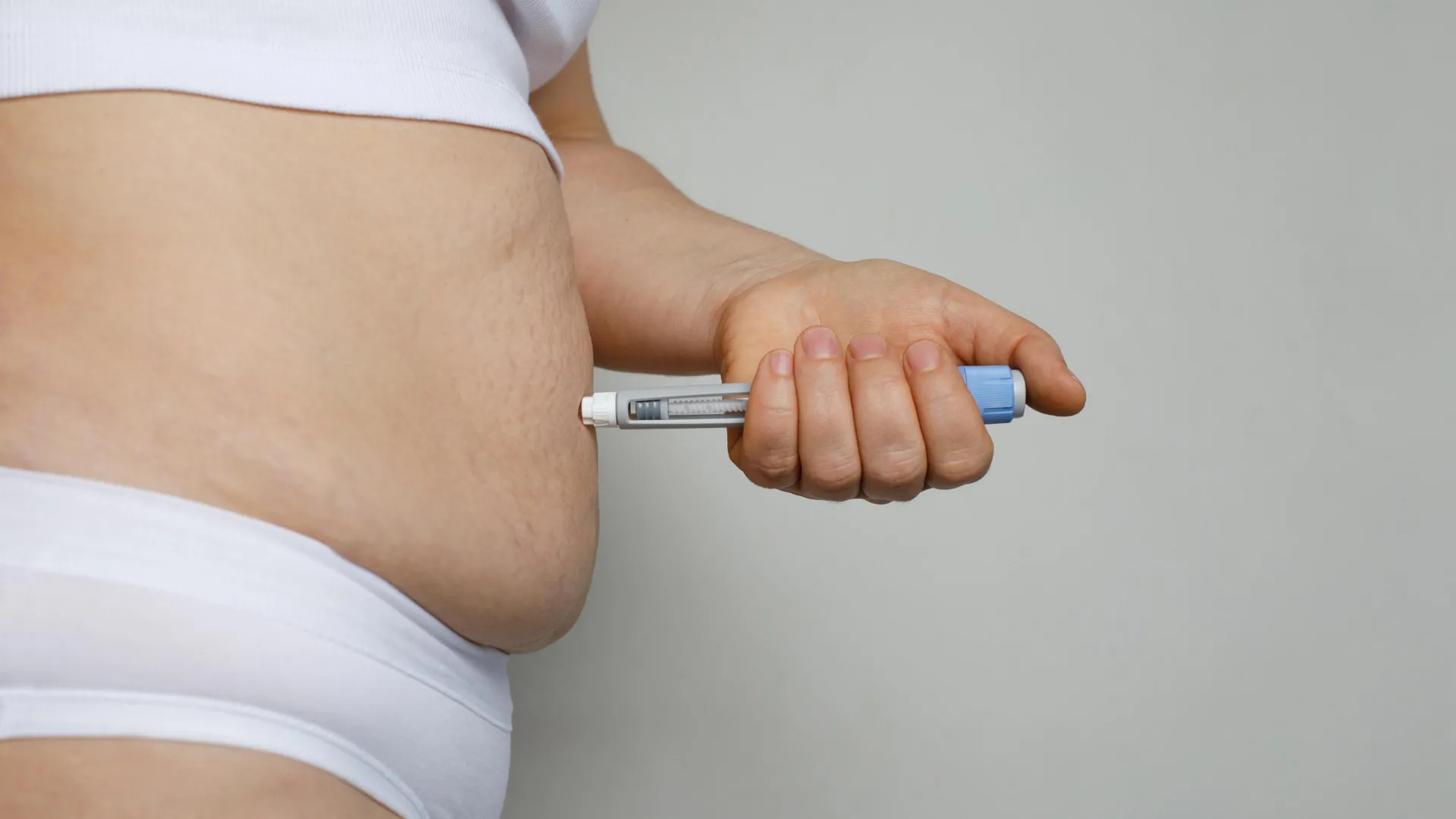
In recent years, weight loss drugs like semaglutide and tirzepatide have gained popularity for their impressive results. New research from Vanderbilt Health shows these medications, along with bariatric surgery, significantly reduce fat mass in patients with obesity. This finding is promising, as a lower fat mass can decrease the risk of obesity-related diseases, such as cardiovascular issues.
However, these treatments also lead to some loss of fat-free mass, which includes essential components like lean muscle. Maintaining this muscle is critical. Studies link higher fat-free mass to better long-term health outcomes. Thus, while fat loss is beneficial, protecting lean mass is equally vital for overall wellness.
Experts assert that more research is necessary to understand how fat mass and fat-free mass respond to these treatments in everyday clinical settings. Without this knowledge, it’s difficult to fully assess the long-term implications for patient health.
The Need for Balanced Approaches
As both men and women undergo weight loss treatments, differences emerge in how effectively they preserve fat-free mass. This discrepancy could influence individual healthcare strategies. Therefore, understanding these variations becomes essential for tailoring effective treatments across genders.
Proactive discussions about the tradeoffs between fat loss and lean mass preservation are essential. While weight loss medications may provide immediate results, their comprehensive impact on body composition warrants scrutiny.
As society embraces these medical advancements, practitioners must balance the excitement of rapid fat loss with the importance of maintaining a healthy body composition. Addressing this tradeoff could not only prevent health complications but also guide future research, benefiting many on their journey toward improved health.
Continue Your Tech Journey
Learn how the Internet of Things (IoT) is transforming everyday life.
Stay inspired by the vast knowledge available on Wikipedia.
TechV1
