

Summary Points
Calvin Wankhede / Android Authority TL;DR:
- GrapheneOS patched a privacy flaw in Android 16 where a malicious app could leak IP addresses despite active VPN protections.
- The vulnerability stems from a networking optimization that improperly allows small data packets to bypass VPN restrictions, potentially exposing user location.
- Google considered the issue “Infeasible” to fix and chose not to include it in security updates, while GrapheneOS disabled the underlying feature for enhanced security.
- While most Android users face modest risk, experts recommend disabling the feature manually via ADB for stronger privacy protection.
GrapheneOS Acts Quickly to Fix a Critical VPN Flaw
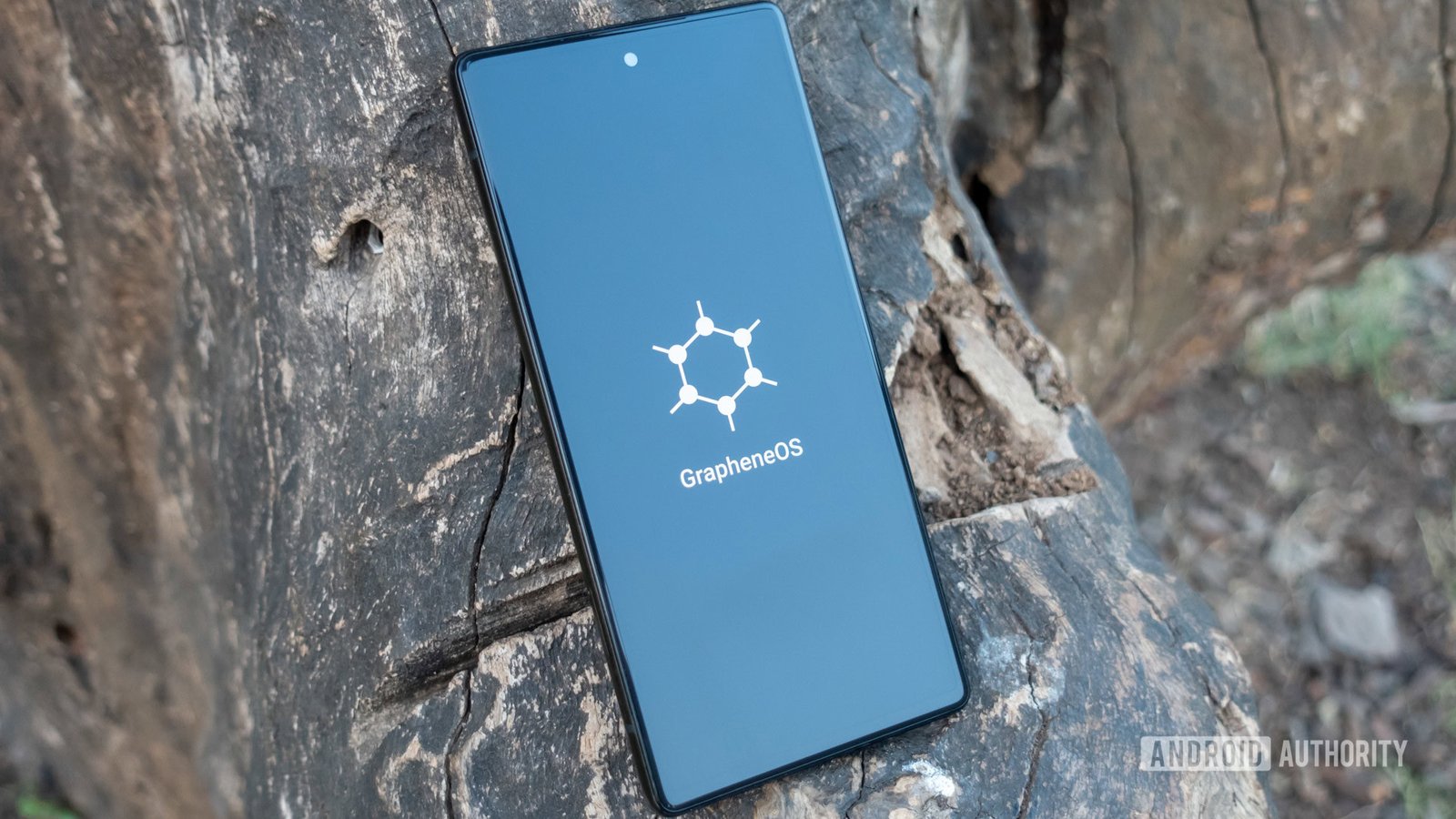
Recently, GrapheneOS took decisive action to protect its users from a serious security flaw in Android 16. The bug, known as Tiny UDP Cannon, could allow malicious apps to leak small bits of data outside a VPN tunnel. This means your real IP address might be exposed, even if you have strict VPN settings enabled. While Google decided not to fix the problem, GrapheneOS chose to disable the feature that caused the issue. This move highlights their commitment to privacy and security. As a result, GrapheneOS users get an extra layer of protection. They don’t have to worry about accidental leaks of their location or identity.
This quick response from GrapheneOS demonstrates how privacy-focused operating systems can adapt faster than stock Android. Instead of leaving a security gap open, they actively patch vulnerabilities. This action helps prevent potential misuse by malicious apps. Although the flaw was not widespread, safeguarding even small vulnerabilities is essential. It shows that privacy isn’t just a feature but a core value for GrapheneOS. Their ability to fix this before Google, the developer of Android, is noteworthy. It’s a strong statement about their priorities in security and user trust.
Understanding the Impact of the VPN Leak
The VPN flaw itself is technical but very important. The bug affects Android 16, which is a recent version of the operating system. The problem stems from a networking optimization that Android uses to make connections faster. In some cases, tiny packets of data meant to close connections weren’t checked properly. Instead of staying hidden inside the VPN, these packets could escape and reveal your real IP address. This leak could happen even with Android’s most strict VPN settings turned on, such as Always-On VPN or Block connections without VPN.
This means, in the worst case, your location or identity could be exposed without you realizing it. For most people, this risk is small because an attacker would need to have a malicious app on their phone first. Still, the potential for accidental data leaks highlights a crucial flaw in Android’s security design. It also underscores why privacy-conscious users prefer operating systems that proactively close such gaps.
Google’s decision not to fix the bug officially leaves a question mark around Android’s ability to safeguard user data. Users who rely on their phone for sensitive activities may want to consider alternate options or disable the problematic feature manually. Meanwhile, the bug’s existence pushes the industry to rethink how operating systems handle network connections and security.
Why This Matters for Mobile Privacy and Beyond
The privacy fight on mobile devices is fierce. Operating systems are constantly evolving to protect user data better. GrapheneOS’s decision to disable the problematic feature shows they prioritize user privacy over system convenience or performance. For those who care about digital safety, this is a positive step forward.
The incident also raises awareness of the importance of transparency and swift action from tech companies. While Google’s Android team opted to leave the issue unaddressed, other developers stepped in to fix it independently. This illustrates how the open-source community and security-focused OS developers can lead the way in protecting users.
Moreover, the situation emphasizes that even advanced security settings, like VPN lockdown modes, aren’t foolproof. Users must stay informed and consider additional measures to secure their online presence. It also encourages users to explore alternative operating systems if privacy is a top priority.
Ultimately, this episode underscores a broader point: technology companies must stay vigilant and adapt quickly. When vulnerabilities appear, taking immediate steps—even if it means disabling certain features—is vital. Consumers deserve tools that prioritize their safety, privacy, and peace of mind. As both Android and GrapheneOS continue to evolve, users can hope for more transparent, reliable protections in the future.
Continue Your Tech Journey
Stay informed on the revolutionary breakthroughs in Quantum Computing research.
Explore past and present digital transformations on the Internet Archive.
CellphonesV1
