

Top Highlights
- Teens compete in World Series of Birding, counting species for 24 hours.
- Team “The Pete Dunnelins” aims for 200 species after past wins.
- They balance strategy and practice with unpredictable nature and bird behavior.
- Ultimately, they count 206 species, losing to rivals by three birds.
Excitement in the Dark: A Night of Birding
It’s just after midnight in North New Jersey. A white SUV arrives at a deserted park. Three teenage boys jump out, eager to spot birds under the moonlight. This marks the start of the 43rd annual World Series of Birding, an intense competition to identify as many bird species as possible in a 24-hour span.
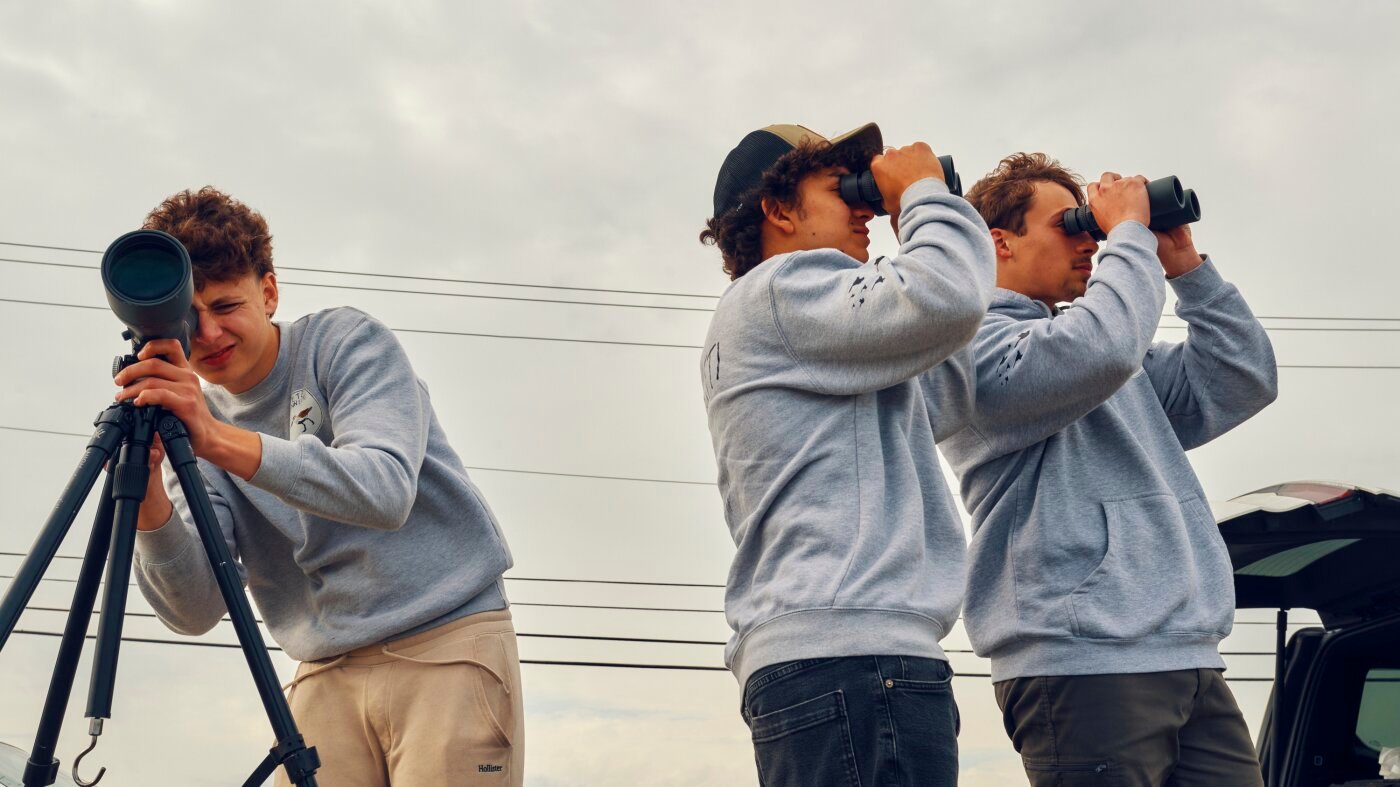
The team, known as The Pete Dunnelins, consists of Otys Train, 16; Jack Trojan, 17; and Zade Pacetti, 16. They leap across a field and peer through binoculars at giant nests perched atop poles. Their target? The monk parakeet. After a focused wait, Otys cries out in triumph: “I got it!”
While their energy is palpable, their fathers accompany them as drivers and supportive mentors. They serve not only to navigate but also to ensure the boys stay nourished and hydrated. The fathers quietly cheer on their sons while trying to maintain their own composure in the bustle of the night.
This event, organized by New Jersey Audubon, combines fierce competition with a commitment to conservation. Participating teams range widely in age and experience, making the event a celebration of birding culture across generations.
For the Dunnelins, birding is far from a casual pastime. Having won the competition for the past two years, they have a goal of spotting 200 species this time around. Their meticulous preparation includes a minute-by-minute schedule, highlighting their determination and strategic planning. But success in birding often hinges on factors beyond their control, leaving them to navigate the unpredictable whims of wildlife.
A Race Against Time and Nature
As the hours roll on, the trio finds themselves at a marsh, listening intently in the early morning hours. Nature’s orchestra awakens, and the boys strain to identify calls that could fill their bird list. The quiet camaraderie among them shines through, as they validate each other’s auditory skills and whisper their observations. The environment demands focus, and distractions are kept to a minimum.
The sun rises, illuminating High Point State Park. Despite their early success, time becomes their enemy. Driving slowly with windows down, they try to spot warblers and other bird species as they navigate the winding roads. Their collective efforts result in valuable sightings, from sharp-shinned hawks to various warblers.
By early afternoon, the urgency escalates. With numerous species left to spot, time management becomes critical. The boys must balance their enthusiasm with strict deadlines. Each sighting is meticulously documented as they race against the clock.
As daylight wanes, they venture to the Edwin B. Forsythe Wildlife Refuge. With only hours remaining, their anxiety is palpable. They scan the area, knowing the stakes have never been higher. As they refresh their memories on various species, they share jokes, revealing a deep bond fostered through shared experiences.
Their quest ultimately culminates in a final tally of 206 species, narrowly missing the top spot to another team. The disappointment is softened by the knowledge that each experience, whether it resulted in victory or loss, further nourished their love for birding.
Reflecting on the competition highlights the broader message: the younger generation is not apathetic. Instead, they are actively engaged in nature and conservation. For The Pete Dunnelins, this event represents more than just a race against time. It embodies their commitment to wildlife preservation and a shared passion for the environment, reminding us all of the joy in both competition and camaraderie.
Continue Your Tech Journey
Dive deeper into the world of Cryptocurrency and its impact on global finance.
Explore past and present digital transformations on the Internet Archive.
Space
