

Quick Takeaways
- New method creates strained molecular structures called “housanes” for drug development.
- Photocatalysts enable efficient transformation of simple starting materials into complex molecules.
- Strained ring molecules release energy, making them valuable for pharmaceuticals.
- Technique enhances control and expands potential for advanced materials and chemistry research.
The Power of High-Strain Molecules
Developing new medicines requires creativity and precision. Scientists often rely on specific building blocks to construct effective drugs. One vital group of these building blocks consists of small, ring-shaped molecules. These molecules, known for their ability to store tension, can drive essential chemical reactions. The significance of strained structures cannot be overstated. They unlock pathways for creating complex compounds efficiently.
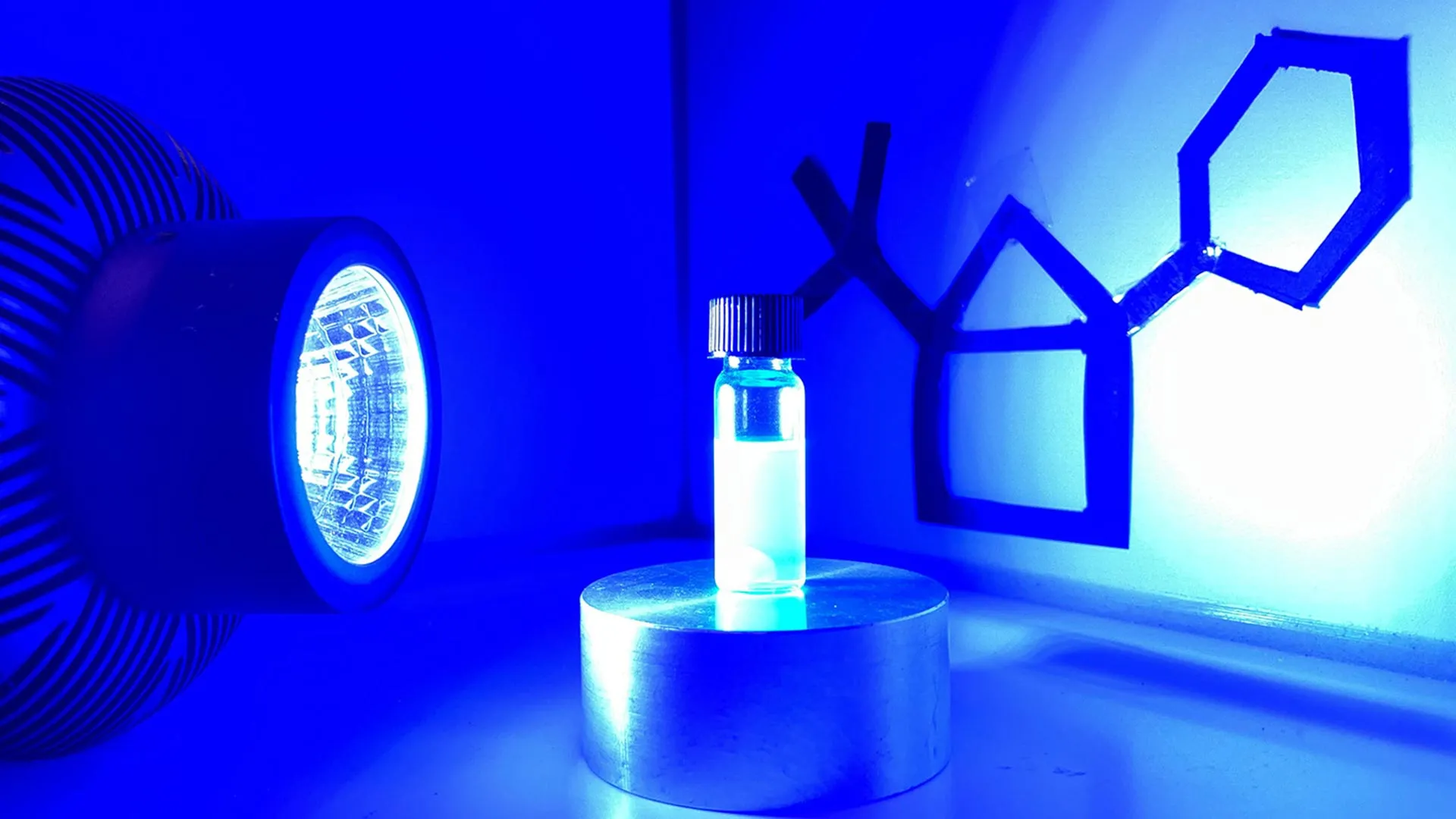
Recent breakthroughs show how to construct one particularly challenging type of high-strain molecule called housanes. Researchers led by a team at the University of Münster have discovered a method that transforms commonplace starting materials into these compact, highly strained molecules. This process relies on light energy through a photocatalyst, which introduces a new dynamic to traditional chemistry.
Creating high-strain compounds usually presents hurdles. Previous methods often required extreme conditions, like intense heat, which limited the type of functional groups that could attach to molecules. Functional groups are crucial; they dictate how a compound behaves and interact with the body. By adapting the starting materials, the researchers mitigated unwanted side reactions and achieved a more predictable result.
Revolutionizing Drug Development
The implications of this new technique extend far beyond academic interest. As scientists learn to control these challenging reactions, they open avenues for practical applications in drug development and materials science. The ability to produce housanes more efficiently enhances the pharmaceutical industry’s toolkit. These strained molecules might help synthesize vital drugs more quickly, ultimately improving patient care.
While technological advancements in chemistry serve as a double-edged sword, they also reveal the necessity for cautious optimism. New methods require careful validation to ensure they meet safety and efficacy standards. Additionally, researchers must consider the scalability of these processes. They need to determine whether the laboratory successes will translate into viable production methods in industrial settings.
This innovation can herald a new era for both fundamental research and practical applications. As techniques evolve, scientists may uncover new ways to harness light and energy for molecular synthesis. Balancing potential with practicality will be key as this technology moves from the research stage to real-world applications. By embracing such advancements, the scientific community can look forward to more efficient drug development and the creation of advanced materials that could transform various industries.
Discover More Technology Insights
Dive deeper into the world of Cryptocurrency and its impact on global finance.
Stay inspired by the vast knowledge available on Wikipedia.
TechV1
