

Summary Points
- Thea Energy raised $100 million in an oversubscribed Series B funding round.
- Funding will enhance magnet manufacturing and support construction of the Eos reactor.
- Thea’s unique magnets enable flexible plasma confinement in stellarator designs.
- The startup aims to complete its demonstration reactor by 2030.
Thea Energy’s Breakthrough and Ambitious Goals
Thea Energy has entered a pivotal moment. With an oversubscribed $100 million Series B funding round, the company solidifies its position as a leading player in the fusion energy field. This funding, led by the U.S. Innovative Technology Fund, pushes Thea’s total private investment to $130 million. The substantial capital will accelerate the production of its innovative magnets and support the construction of Eos, a demonstration reactor slated for completion by 2030.
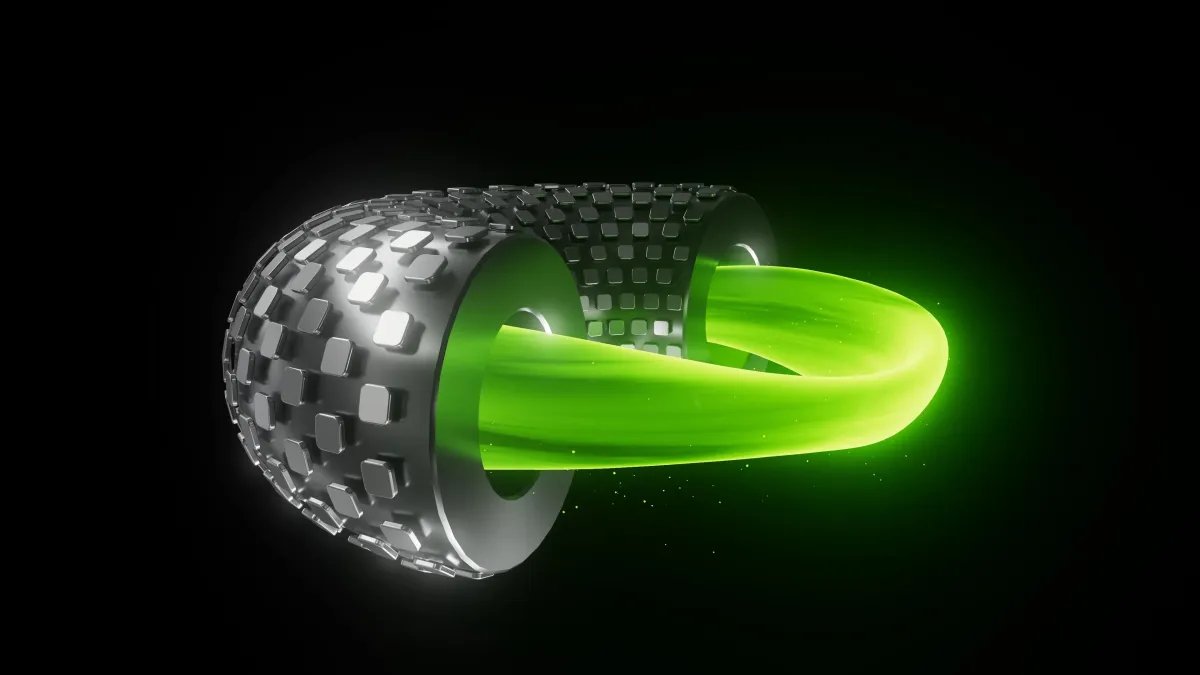
What sets Thea’s approach apart lies in its unique magnet design. Unlike traditional fusion designs, Thea utilizes smaller, adjustable magnets. This flexibility mimics pixels on a computer screen, allowing software to shape the overall magnetic field. This approach promises accuracy in controlling plasma—a crucial element for fusion reactions.
The company’s focus on stellarators, which manage plasma stability through intricate twists and turns, presents inherent challenges. Conventional methods, like tokamaks, often employ brute force, raising costs and complexity. Thea’s innovative method simplifies manufacturing, potentially benefiting the entire fusion sector.
Challenges and Competition Ahead
However, Thea Energy faces challenges. Its reliance on both smaller and larger magnets raises questions about whether they can maintain their manufacturing advantage. When Thea spun off from the Princeton Plasma Physics Laboratory, their initial reactor plans heavily depended on these smaller planar coils. The addition of larger magnets to aid plasma confinement complicates this vision and may dilute their efficiency gains.
Despite these hurdles, the rising interest and investment in fusion energy indicate a promising future. The funding landscape is heating up, with competitors like Commonwealth Fusion Systems aiming to launch their reactors around the same time as Thea. The push toward fusion energy represents not just a technological revolution, but a potential solution to pressing global energy issues.
The future of fusion is bright, but only if startups like Thea can navigate the complex landscape ahead. The additional funding and innovation could provide the necessary momentum for breakthroughs. As investors and scientists align their efforts, the dream of practical and clean fusion energy becomes increasingly tangible.
Stay Ahead with the Latest Tech Trends
Explore the future of technology with our detailed insights on Artificial Intelligence.
Discover archived knowledge and digital history on the Internet Archive.
TechV1
