

Fast Facts
- NASA’s Lunabotics Challenge showcases student ingenuity for future Moon infrastructure.
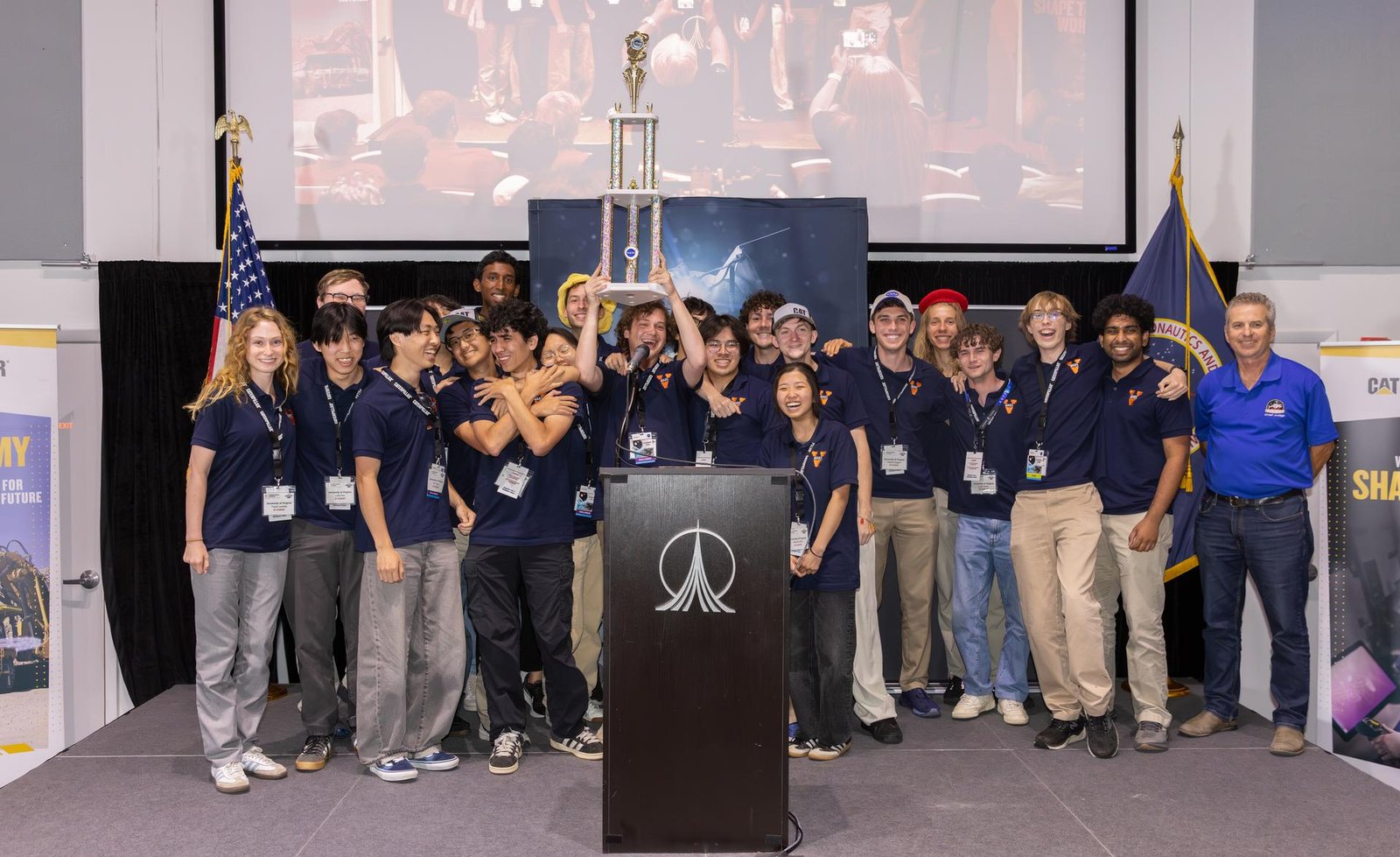
- University of Virginia won the Off World Grand Prize through excellence.
- The competition emphasized systems engineering principles and adaptive robot designs.
- Lunabotics prepares students for NASA careers while advancing lunar exploration technologies.
Navigating the Lunar Landscape: The 2026 Lunabotics Challenge
NASA’s 2026 Lunabotics Challenge showcased the ingenuity and technical prowess of college students nationwide. This annual competition encourages students to design and build robotic systems that could support a sustainable lunar infrastructure. Hosted at the Astronauts Memorial Foundation’s Center for Space Education at Kennedy Space Center, the event highlighted critical engineering principles needed for future Moon missions.
Among the 47 teams selected, the University of Virginia emerged victorious, claiming the Off World Grand Prize. Their success was a testament not only to technical excellence but also to teamwork and resilience. When a wheel malfunctioned during their first finals run, the team quickly adapted, reconfiguring the robot to continue operating with three wheels. This level of preparation is crucial for real lunar operations, where challenges will arise unexpectedly.
Judges evaluated teams based on various criteria, including robot performance, energy efficiency, communication, and automation. A focus on NASA’s Systems Engineering Process allowed students to integrate different components effectively. The impressive adaptability of competing teams stood out, with many overcoming mechanical setbacks and terrain challenges. The increase in fully autonomous robots from 12 last year to 27 this year shows significant progress in technology and design. These advancements are pivotal as NASA prepares for upcoming lunar missions.
Future Implications: A Path Toward Lunar Operations
The competition’s outcomes have broader implications for lunar exploration. Autonomous robotic systems are essential for constructing stable environments on the Moon. These systems will help create landing zones, power infrastructure, and other essential structures for human habitation. As Robert Mueller, a senior technologist at NASA Kennedy, noted, the ability to build berms using lunar soil is likely to be one of the first tasks undertaken on the Moon.
The challenge not only serves as a launching pad for students’ careers but also aids NASA in solving real-world engineering challenges. Federal initiatives like NASA’s Commercial Lunar Payload Services (CLPS) focus on deploying robots, such as the Infrastructure Pilot Excavator (IPEx), to mimic the tasks developed during Lunabotics. By integrating the knowledge gained from this competition, NASA aims to forge a sustainable human presence on the lunar surface.
Through events like the Lunabotics Challenge, students gain valuable engineering experience and problem-solving skills. This educational endeavor is invaluable as it shapes the next generation of engineers and innovators, many of whom may become integral to NASA’s future lunar missions. The technology and teamwork aspects presented in the competition underscore the need for collaboration in achieving ambitious goals, both on Earth and beyond.
Stay Ahead with the Latest Tech Trends
Learn how the Internet of Things (IoT) is transforming everyday life.
Access comprehensive resources on technology by visiting Wikipedia.
Space
