

Quick Takeaways
- Samsung partners with MGH to study how Galaxy Watch 8 can help manage muscle loss in GLP-1 medication users through biometric data tracking.
- The study targets 100 adults starting GLP-1 treatment, comparing wearable monitoring with standard guidance to evaluate effectiveness.
- Concerns about long-term muscle loss from GLP-1 drugs highlight the importance of early detection and intervention for overall health.
- Samsung’s ongoing collaborations aim to leverage wearables for proactive health management, including predicting health issues like fainting.
Samsung’s New Collaboration Aims to Protect Muscle Health for GLP-1 Users
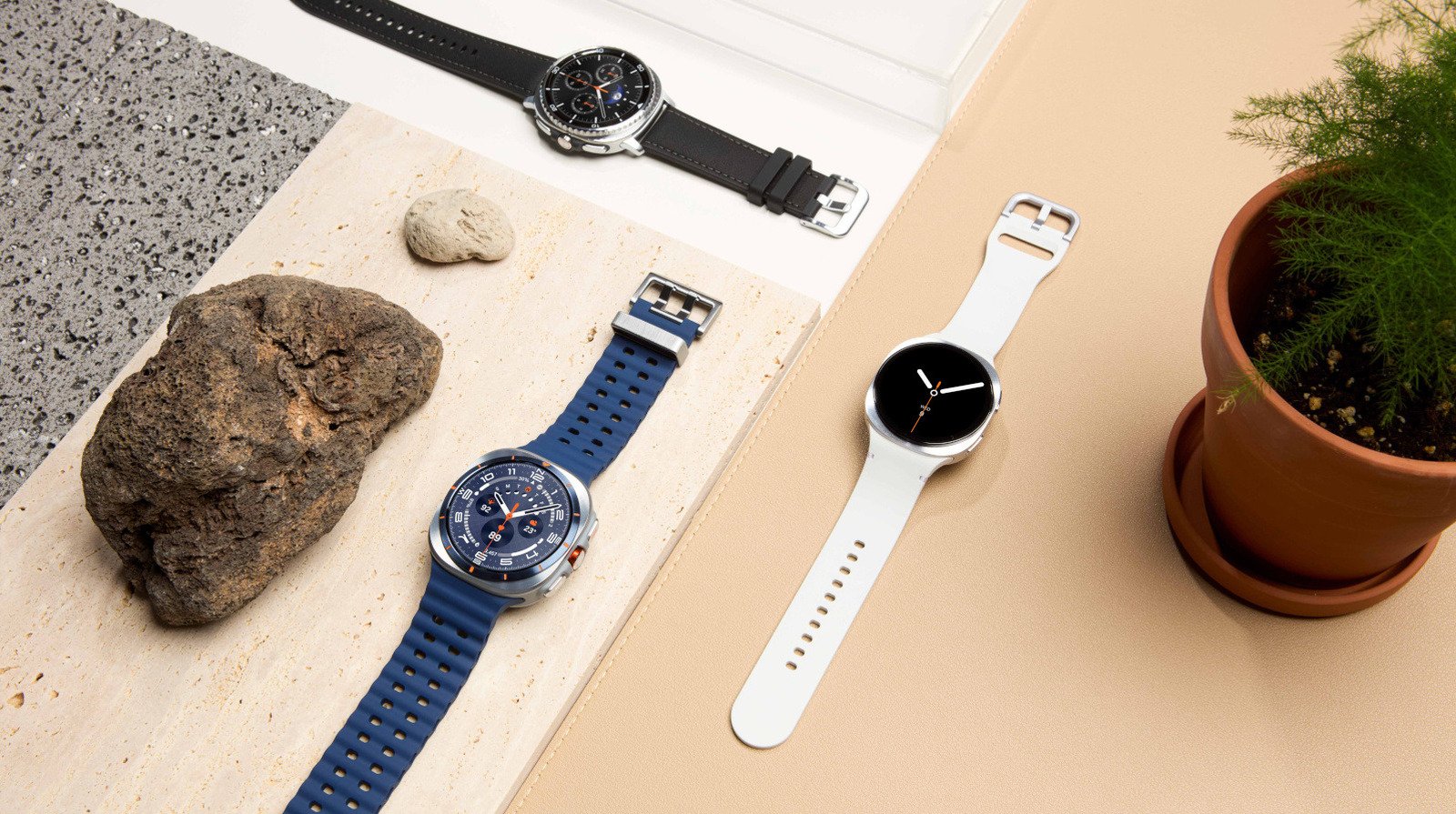
Samsung is taking a proactive step to address a common side effect of GLP-1 medications. These medicines, like Ozempic, help with weight loss and blood sugar control. However, they can also cause muscle loss. To tackle this issue, Samsung teamed up with the Massachusetts General Hospital Diabetes Research Center. They want to see if the Galaxy Watch 8 can help people on GLP-1 manage muscle health better. The study will monitor body composition, activity levels, and heart rate. Using wearable technology, Samsung hopes to give patients and doctors better tools to fight muscle loss. This partnership shows how tech companies like Samsung are focusing on health solutions that matter. The results could lead to more personalized care and improved well-being for many users.
Why Muscle Loss Matters and How Wearables Could Help
Experts have raised concerns about muscle loss associated with GLP-1 medications. Losing muscle can impact posture, strength, and general physical health. Over time, it might even raise the risk of heart disease. While weight loss can be beneficial, losing lean muscle mass can undermine overall health. That’s why Samsung’s approach is promising. The Galaxy Watch 8 uses Bioelectrical Impedance Analysis to estimate body composition and track activity. These features allow users to see their progress in real time. The idea is to give people the ability to exercise more effectively and prevent muscle deterioration. In the long run, integrating wearable data into health care could help doctors make smarter decisions and catch early signs of health issues.
What the Future Might Hold for Health Tech and Medication Side Effects
Samsung’s study could open the door to new health tech innovations. Wearables like the Galaxy Watch 8 could become essential tools for those on medications with known side effects. By constantly monitoring key health metrics, users gain more control over their treatment. For example, personalized exercise guidance helps maintain muscle mass, a critical part of overall health. Additionally, the study highlights how collaboration between tech firms and medical research centers can lead to meaningful improvements. These advancements may benefit millions of people reliant on GLP-1 drugs. Looking ahead, wearable technology might not only help manage side effects but also predict potential health risks before they become serious. This balance of innovation and care promises a healthier future driven by smart, connected devices.
Expand Your Tech Knowledge
Dive deeper into the world of Cryptocurrency and its impact on global finance.
Explore past and present digital transformations on the Internet Archive.
CellphonesV1
